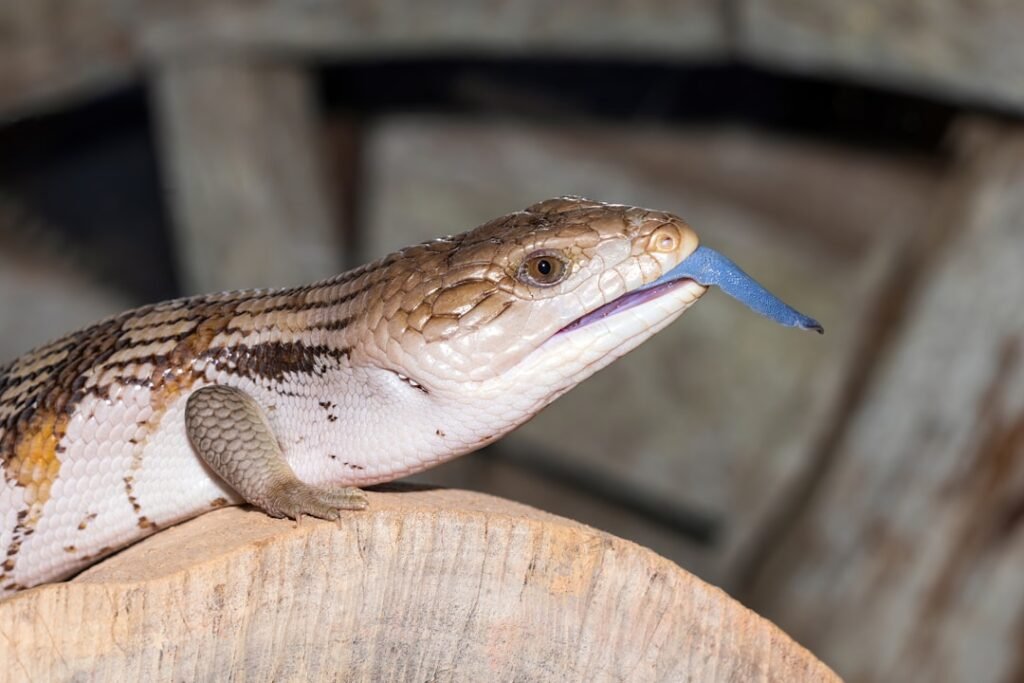
Welcome to your go-to resource for keeping your blue tongue skink happy and healthy! These charming reptiles, with their striking blue tongues and curious personalities, depend entirely on you for proper nutrition. Getting their diet right isn’t just about filling a bowl—it’s the foundation for a long, vibrant life. Whether you’re a new skink parent or fine-tuning your current routine, this guide breaks down exactly what, when, and how much to feed. Forget guesswork; we’ll cover proven ratios, favorite foods, and common pitfalls so your scaly friend thrives. Let’s dive into the colorful world of blue tongue skink nutrition!
Understanding Your Blue Tongue Skink’s Dietary Needs
Blue tongue skinks are omnivores, meaning they need a balanced mix of animal protein and plant matter to stay healthy. Think of them as nature’s little opportunists—they’ll happily munch on insects, fruits, veggies, and even small prey in the wild. But here’s the key: their nutritional needs shift dramatically as they grow. Baby skinks (under one year) require a protein-heavy diet of 70-80% to fuel rapid growth, while adults need a more balanced 50-60% protein. The remaining portion should come from leafy greens and vegetables, with fruits treated as occasional snacks. Why does this ratio matter? Too much protein for adults can strain their kidneys, while too little for babies stunts development. Variety is non-negotiable; a diverse menu prevents picky eating and ensures they get all essential vitamins and minerals. Remember, a bored skink is a malnourished skink—so rotate foods regularly!
Protein Power: Best Foods for Growth and Health
Protein is the engine of your skink’s diet, especially for young ones. But not all proteins are created equal. Focus on high-quality, easily digestible options to avoid health issues. Below are the top categories, with specifics on preparation and frequency.
Whole Prey Options
Whole prey like frozen-thawed mice or day-old chicks provide complete nutrition, including bones for calcium. Thaw prey overnight in the fridge, then warm it in a sealed bag to 98-100°F (like a mouse’s natural body temperature) before feeding. Offer these 1-2 times weekly for adults, but daily for babies. Avoid live prey to prevent injury to your skink.
Worried About Your Reptile's Health?
Upload a photo and get instant AI health analysis. Catch problems before they become expensive vet bills.
Get Free Health Check →Insect Staples
Insects are fantastic for protein and mental stimulation. Dubia roaches, crickets, and black soldier fly larvae should be gut-loaded (fed nutritious foods 24 hours pre-feeding) and dusted with calcium powder. Offer these 2-3 times weekly. Steer clear of fireflies or wild-caught insects, which can be toxic. Here’s a quick reference for safe choices:
- Dubia roaches: Nutrient-rich, easy to digest
- Black soldier fly larvae: High in calcium, low in fat
- Earthworms: Great for hydration and protein
- Silkworms: Soft-bodied and gentle on digestion
Lean Meats and Alternatives
For convenience, high-quality canned dog or cat food (grain-free, no onion/garlic) works as an occasional protein source. Boiled eggs, ground turkey, or chicken hearts are excellent homemade options—always cooked and unseasoned. Limit these to 1-2 times weekly. Never feed raw meats from the grocery store due to bacteria risks. Reptilinks’ omnivore blends are also vet-approved for balanced nutrition.
Vibrant Veggies and Fruits: The Plant-Based Essentials
Vegetables should make up 20-30% of a juvenile’s diet and 40-50% for adults. Focus on dark, leafy greens packed with calcium and vitamins. Safe staples include collard greens, dandelion greens, mustard greens, and escarole. Add color and variety with grated carrots, bell peppers, squash, and sweet potato. Chop everything finely for easy eating—skinks aren’t chewers! Fruits like blueberries, papaya, and mango can be offered as treats (max 10% of the diet) due to high sugar content. Bananas are okay occasionally but skip grapes and citrus, which upset digestion. Always serve veggies raw to preserve nutrients; cooking strips away vital enzymes. Rotate options weekly to prevent deficiencies—your skink will thank you with enthusiastic mealtime dances!
Danger Zone: Foods to Avoid at All Costs
Some human foods are deadly for blue tongue skinks. Avocado tops the list—it contains persin, which causes fatal heart failure. Onion, garlic, eggplant, and rhubarb disrupt digestion and damage red blood cells. Steer clear of toxic flowers like azaleas, daffodils, and buttercups. Even seemingly healthy options like spinach and beet greens should be rare; their oxalates bind calcium, leading to metabolic bone disease. Processed foods, dairy, and sugary snacks are absolute no-gos. When in doubt, stick to the safe lists in this guide. If accidental ingestion occurs, contact a reptile vet immediately—better safe than sorry!
Never Miss Early Warning Signs
AI photo analysis catches subtle health issues humans miss 80% of the time. Early detection = healthier reptile + lower vet bills.
Start Free Trial →Feeding Schedule: How Often to Offer Meals
Overfeeding causes obesity, while underfeeding stunts growth. Match portions to your skink’s age and size:
- Babies (up to 3 months): Feed daily. Protein should dominate (70-80%), with tiny veggie portions.
- Juveniles (3-8 months): Feed 3 times weekly. Aim for 60-70% protein, gradually increasing veggies.
- Adults (8+ months): Feed 1-2 times weekly. Balance to 50-60% protein, 40-50% veggies.
Portion size? A meal should equal the skink’s head volume. Remove uneaten food after 24 hours to prevent spoilage. During brumation (winter slowdown), reduce feeding frequency but never stop entirely. Always provide fresh water in a heavy bowl—skinks love to soak!
Supplements: The Secret Sauce for Longevity
Even a perfect diet needs a boost. Calcium powder (without phosphorus) is essential—dust protein and veggies 3-4 times weekly to prevent metabolic bone disease. Use vitamin D3 only if your UVB lighting is inadequate (consult a vet). Multivitamins can be added monthly for extra insurance. Skip supplements if using high-quality commercial diets like Reptilinks, which are pre-balanced. Over-supplementing is risky; stick to the schedule. Pro tip: Mix calcium with a pinch of cinnamon—it masks the chalky taste skinks dislike!
Putting It All Together: Your Action Plan
Creating a thriving blue tongue skink starts with a simple mantra: variety, balance, and consistency. Begin each meal with a base of chopped leafy greens, add a protein portion slightly smaller than the greens, and finish with a pea-sized fruit treat. Adjust ratios as your skink ages, and never skip supplements. Watch for signs of health—bright eyes, smooth skin, and regular activity—and red flags like lethargy or weight loss. Remember, every skink has quirks; your pet might adore snails but turn up their nose at squash. That’s okay! Rotate foods to keep things exciting while meeting nutritional targets. With this guide, you’re not just feeding a pet—you’re nurturing a lifelong companion. Here’s to many joyful years watching your blue tongue skink flourish, one balanced meal at a time. You’ve got this!
Join thousands of successful reptile owners
Try ReptileCoach Free →Ready to Give Your Reptile the Best Care?
Stop guessing and start knowing. Get personalized AI-powered care guidance, photo health analysis, and 24/7 expert advice for YOUR specific reptile.
Get Personalized Care Guidance
AI-powered photo analysis and daily care tracking for YOUR reptile
Try Free for 7 Days →