
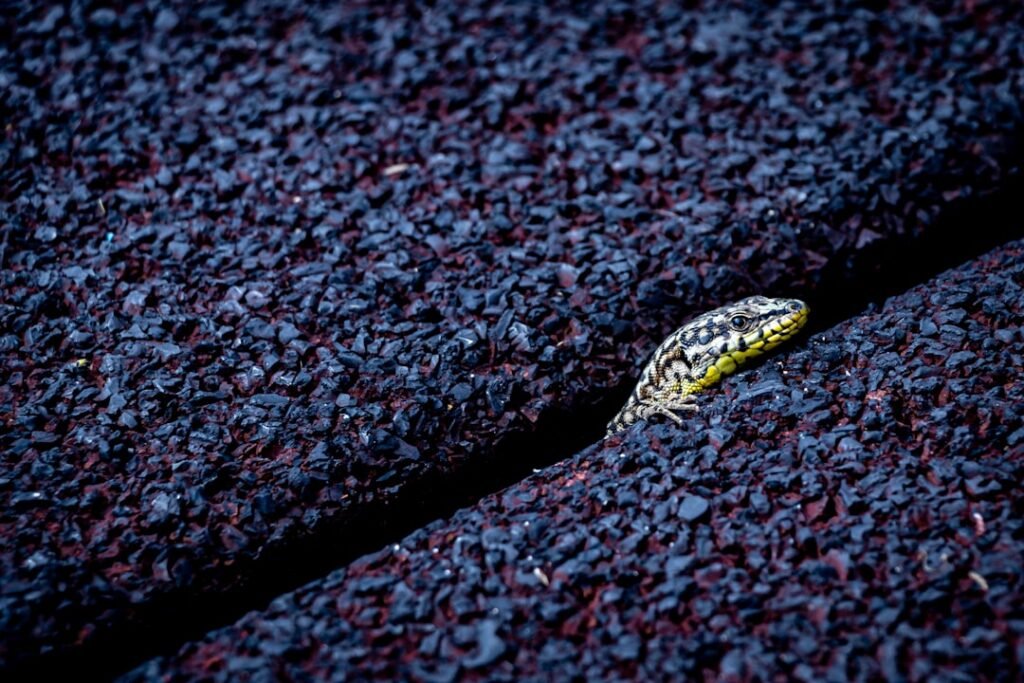
Traveling with your water dragon might seem daunting, but with proper planning, it can be a safe and stress-free experience for both of you. Unlike cats or dogs, these sensitive reptiles rely entirely on you to maintain their critical environmental needs—temperature, humidity, and security—while on the move. Whether you’re relocating homes, visiting a specialist vet, or simply taking a family vacation, understanding how to transport your scaly companion properly prevents health crises and reduces anxiety. Water dragons are particularly vulnerable to environmental shifts; a sudden humidity drop or temperature fluctuation during transit can lead to respiratory issues or dehydration within hours. This guide cuts through the guesswork, giving you actionable steps to transform travel from a terrifying prospect into a manageable part of your water dragon’s life. Let’s ensure your adventurous buddy stays healthy, calm, and hydrated no matter where the road takes you.
Pre-Travel Preparation: Laying the Groundwork
Successful travel starts days before departure. Begin by acclimating your water dragon to its travel carrier well in advance—ideally 2–3 weeks prior. Place the carrier in their enclosure with the door open so they explore it voluntarily. Add familiar branches or moss from their habitat to create a sense of security. During this period, gently practice short “mock trips” around your home: place your dragon inside the carrier, close the door, and carry it for 5–10 minutes while speaking softly. This reduces panic during actual travel. Simultaneously, monitor your dragon’s health closely; never travel if they show signs of illness like lethargy, labored breathing, or reduced appetite. Consult your reptile vet for a pre-trip checkup, especially if traveling across state lines where health certificates may be required. Pack a travel kit with essentials: a digital hygrometer/thermometer, spray bottle with dechlorinated water, paper towels, disposable gloves, and a small container of their regular food. Crucially, avoid feeding 24–48 hours before travel to prevent regurgitation or stress-induced defecation in the carrier.
Choosing & Setting Up the Perfect Travel Carrier
Your carrier is your water dragon’s lifeline during transit—selecting and preparing it correctly is non-negotiable. Opt for a rigid, ventilated plastic container (like a 20–30 gallon Sterilite bin) rather than mesh bags, which offer poor insulation and humidity control. The container must be spacious enough for your dragon to stretch fully but not so large that they slide around during movement; aim for dimensions of at least 24″ L x 18″ W x 12″ H for an adult. Drill ¼-inch ventilation holes in the top and sides (never the bottom) to ensure airflow while retaining moisture. Line the bottom with paper towels or reptile carpet—never loose substrates like sand or bark that can cause impaction if ingested. Anchor sturdy, low branches with non-toxic silicone to create secure perches. For humidity, place a damp (not wet) sponge in a shallow container secured to the side, or tuck a moistened paper towel roll into a corner. Test the setup 48 hours pre-trip: place your dragon inside, monitor temperature and humidity with a digital reader, and adjust ventilation holes or moisture sources as needed. The goal is 60–80% humidity and 80–85°F—mimicking their home enclosure. Always label the carrier externally with “LIVE REPTILE—THIS SIDE UP” in bold letters.
Safe Car Transport: Managing the Journey
Once en route, your focus shifts to maintaining stability and minimizing stress. Secure the carrier on the floor behind the front passenger seat using bungee cords or seatbelts—never place it on a seat where sudden stops could cause injury. Position it away from direct sunlight and HVAC vents to avoid temperature spikes or drafts. Use a wireless thermometer/hygrometer with a remote display to monitor conditions without opening the carrier. If humidity drops below 60%, lightly mist the interior walls (not your dragon) with room-temperature water; if it exceeds 80%, add extra ventilation holes temporarily. During stops, keep the carrier in the car with climate control running—never leave it unattended in a parked vehicle, even for “just five minutes.” If your dragon appears stressed (darkening skin, frantic climbing), darken the carrier with a light towel and speak calmly. Limit handling to absolute emergencies; if removal is necessary, support their entire body and keep them close to your chest for warmth. For trips over 2 hours, plan 15-minute rest stops every 2–3 hours in a quiet location (like a library parking lot) to check vitals and offer a few drops of water via dropper.
Worried About Your Reptile's Health?
Upload a photo and get instant AI health analysis. Catch problems before they become expensive vet bills.
Get Free Health Check →Arrival & Temporary Housing at Your Destination
Upon reaching your destination, resist the urge to immediately unpack your dragon. First, set up a temporary enclosure that replicates their home environment as closely as possible. Use a collapsible pop-up tent or a spare room with humidity-retaining surfaces (tile or linoleum floors). Prioritize these elements: a secure basking spot with a heat lamp (75–80°F ambient, 90–95°F basking zone), a large water container for soaking, and vertical branches for climbing. Mist the enclosure thoroughly before introducing your dragon. Gently transfer them from the carrier using the “scoop from below” technique described in care guides—never grab from above. Offer shallow water first; wait 24 hours before feeding to allow adjustment. If staying in a hotel, request a room away from ice machines or elevators to minimize noise disturbances, and place a towel under the enclosure door to contain humidity. For multi-day stays, clean the temporary enclosure daily: remove waste instantly, replace water, and wipe surfaces with reptile-safe disinfectant. Remember, water dragons may hide initially—this is normal! Provide visual barriers like fake plants and avoid excessive handling until they resume regular eating within 1–2 days.
Outdoor Safety: Harness Training for Explorers
If you plan outdoor excursions (like vet visits or supervised garden time), a harness is essential. Start training at home using a lightweight cat harness designed for small mammals—never collar-based options that restrict neck movement. Introduce the harness gradually: let your dragon wear it for 5 minutes daily inside their enclosure while offering treats. Once they tolerate it calmly, attach a short leash and practice walking them across smooth surfaces. Outdoors, choose overcast, warm days (75–85°F) and avoid midday sun. Stay vigilant for predators (birds, cats) and toxic plants. Keep the leash short to prevent sudden dashes, and never restrain them tightly—let them walk at their own pace. Always carry a spray bottle to mist their skin if they overheat. Crucially, limit outdoor time to 15–20 minutes max during travel periods; their immune systems are already stressed from transit. If your dragon resists harness training, skip outdoor adventures entirely—forced exposure increases stress exponentially.
Post-Travel Care: Ensuring a Smooth Recovery
Returning home isn’t the finish line—your dragon needs dedicated recovery time. Reintroduce them to their primary enclosure slowly: place the carrier inside it for 24 hours with the door open, allowing them to exit at their own pace. Monitor for signs of travel stress like refusal to eat, excessive hiding, or abnormal stool for 7–10 days. Boost humidity to 75–80% temporarily and provide warm soaks (85°F water) for 15 minutes daily to aid rehydration. Offer favorite foods (like crickets dusted with calcium) but don’t force-feed. If your dragon hasn’t eaten within 72 hours or shows wheezing/bubble-blowing at the nose, contact your reptile vet immediately—respiratory infections can escalate rapidly post-travel. Sanitize all travel gear thoroughly: wash the carrier with a 3% bleach solution (rinse completely), replace all substrate, and boil branches. Finally, reflect on the trip: note what worked (e.g., “the damp sponge maintained humidity for 4 hours”) and what didn’t (e.g., “carrier was too drafty on highway stops”) to refine future journeys. Remember, each trip builds resilience—your patience today creates a calmer traveler tomorrow.
Final Thoughts: Traveling with Confidence
Traveling with your water dragon doesn’t have to be a source of anxiety—it’s an opportunity to strengthen your bond through attentive care. By prioritizing humidity stability, secure transport, and stress-minimized routines, you ensure their physiological needs are met even outside their familiar habitat. The key is preparation: test your carrier setup early, pack meticulously, and never rush the acclimation process. Remember that water dragons thrive on predictability, so mimic their home environment as closely as possible during transit and at your destination. With these practical strategies, you’ll transform potentially risky journeys into manageable experiences that keep your vibrant companion healthy and content. Whether it’s a cross-country move or a routine vet visit, you now have the tools to navigate the road ahead with confidence. After all, the world is full of adventures—and your water dragon deserves to experience them safely by your side.
Never Miss Early Warning Signs
AI photo analysis catches subtle health issues humans miss 80% of the time. Early detection = healthier reptile + lower vet bills.
Start Free Trial →Ready to Give Your Reptile the Best Care?
Stop guessing and start knowing. Get personalized AI-powered care guidance, photo health analysis, and 24/7 expert advice for YOUR specific reptile.
Get Personalized Care Guidance
AI-powered photo analysis and daily care tracking for YOUR reptile
Try Free for 7 Days →