
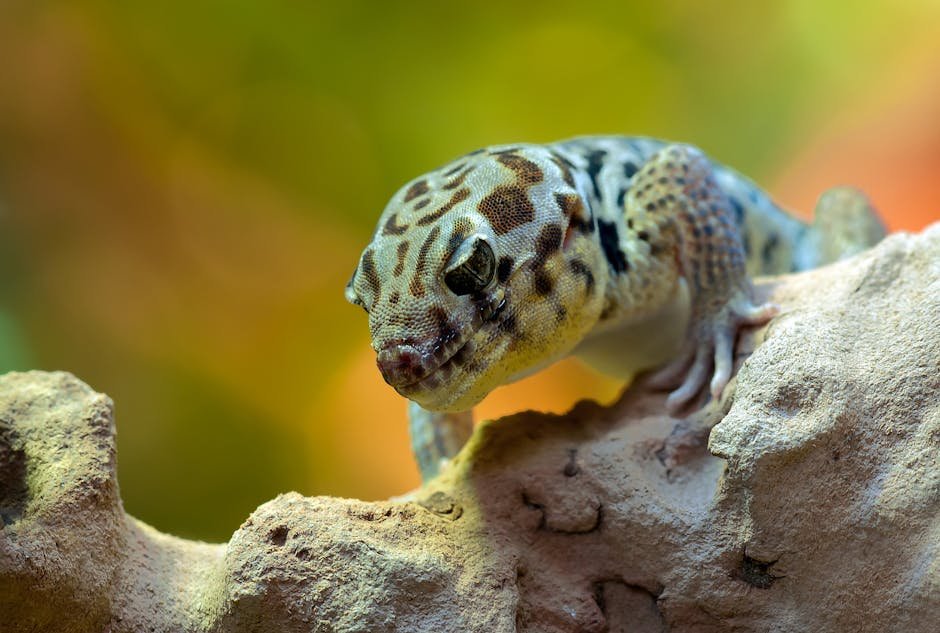
You might be surprised to hear chirping sounds or see your crested gecko shaking its tail in October—months before breeding season typically begins. Many owners panic when they witness mating behaviors outside the expected January-February pairing window, worrying they’ve done something wrong. Understanding these off-season displays is crucial for reducing unnecessary stress for both you and your geckos. These behaviors often reflect natural instincts rather than urgent breeding signals, and recognizing the difference prevents harmful interventions like premature separation or forced pairing. Let’s explore why these surprises happen and how to respond with confidence.
Decoding Normal Off-Season Behaviors
Crested geckos frequently exhibit breeding-related actions year-round due to their opportunistic nature in the wild. Unlike seasonal breeders with strict reproductive windows, these geckos may test mating readiness whenever conditions feel favorable. You might observe the male circling the female while emitting soft clicking or squeaking sounds—a behavior documented in close-up breeding videos where vocalizations signal courtship initiation. Females sometimes respond with tail vibrations described by hobbyists as “butt shaking” rather than defensive thrashing, often accompanied by reciprocal calling. This isn’t necessarily a request to mate immediately; it’s often a ritualistic communication that establishes social dynamics. Importantly, brief chases where the male nips at the female’s neck (followed by her quick retreat) mimic natural courtship sequences and rarely cause injury when both geckos are healthy and well-fed. These displays become concerning only when they escalate to persistent aggression or result in visible wounds.
Many keepers mistake normal exploratory behaviors for urgent breeding attempts. A male meticulously scent-marking the enclosure after a female’s introduction, or a female “dancing” on branches while calling, often reflects environmental curiosity rather than imminent mating. Remember that crested geckos use vocalizations for multiple social purposes beyond reproduction, including territory establishment. Documenting these occurrences in a journal helps distinguish between occasional curiosity-driven displays and problematic patterns requiring intervention.
Environmental Triggers You Might Overlook
Temperature fluctuations and humidity spikes are the most common culprits behind unexpected breeding behaviors. While optimal breeding conditions require 74-79°F daytime temperatures with nighttime drops to 69°F and 70-85% humidity, even minor deviations can trigger instinctive responses. An unseasonable warm spell combined with extra misting (perhaps during routine cleaning) might accidentally mimic spring conditions. Enclosure lighting plays a subtle but significant role too—extended daylight hours from nearby windows or supplemental UVB lamps can confuse their internal clocks. Breeding experts note that geckos kept in visually exposed setups (like glass tanks against busy household walls) often display more stress-related breeding behaviors as they seek security.
Worried About Your Reptile's Health?
Upload a photo and get instant AI health analysis. Catch problems before they become expensive vet bills.
Get Free Health Check →Practical solutions start with environmental auditing. Use a digital hygrometer/thermometer combo to monitor microclimate shifts you might miss. If your gecko suddenly starts vocalizing in summer, check if afternoon sunlight is warming their enclosure beyond 80°F. Adjust misting schedules to avoid creating unintended humidity surges—stick to consistent 1-2 brief cycles daily rather than sporadic heavy spraying. For lighting, position enclosures away from direct windows and use timers to maintain 12-hour light cycles year-round. Adding visual barriers like cork bark panels or artificial plants (as commercial breeders do with foam tubes and PVC pipes) creates “safe zones” that reduce anxiety-driven displays. These modifications often resolve 80% of off-season behavior issues without separating geckos.
Managing Year-Round Pairs Responsibly
Many experienced breeders successfully house males and females together throughout the year, but this requires strategic enclosure design. The key is creating a habitat complex enough to allow natural avoidance behaviors. Instead of standard 18x18x24″ enclosures used for seasonal pairing, opt for larger vertical spaces (minimum 24x24x36″) filled with overlapping visual barriers. Incorporate multiple escape routes using stacked cork flats, dense foliage, and horizontal branches at varying heights so the female can easily evade the male without cornering herself. Commercial operations achieve this cost-effectively with egg crates and PVC piping, but even single-pair keepers can replicate this using affordable fake plants and bamboo poles.
Daily monitoring becomes essential with permanent pairs. Watch for subtle signs of stress like reduced feeding or unusual hiding spots—never assume silence means harmony. Weigh your female weekly; consistent weight loss indicates she’s expending energy avoiding advances rather than resting. If you notice persistent chasing beyond brief courtship sequences, implement temporary separation using a divider within the same enclosure. This maintains social familiarity while giving the female respite. Always introduce the female to the male’s space (not vice versa) to prevent territorial stress, as one breeder community member emphasized after observing reduced aggression in their setup. Remember that successful cohabitation depends more on habitat complexity than the geckos’ inherent compatibility.
When to Intervene: Separation Guidelines
Not all off-season behaviors warrant separation—knowing the difference prevents unnecessary disruption. Temporary separation is needed only when you observe: repeated skin tears from biting, sustained weight loss in the female (5%+ over two weeks), or refusal to eat for more than 72 hours. These differ from normal “no” responses where females dart away, vocalize sharply, or briefly bite back during advances—a common reaction noted by keepers when introducing new pairs. If your female runs and bites during encounters but resumes normal activity afterward, she’s likely just setting boundaries. Document interactions: if mating attempts last under 15 minutes and occur less than twice weekly, monitoring may suffice.
Never Miss Early Warning Signs
AI photo analysis catches subtle health issues humans miss 80% of the time. Early detection = healthier reptile + lower vet bills.
Start Free Trial →When separation becomes necessary, avoid abrupt changes that increase stress. Move the female to a temporary enclosure mirroring her original setup’s layout and foliage. Use this period to evaluate enclosure improvements—add more hiding spots or adjust temperature gradients before reintroducing them. For geckos showing chronic stress, consider permanent single housing; some individuals simply prefer solitude regardless of season. Always consult an exotic veterinarian if you notice injuries beyond minor scratches, as infections can develop quickly. Never force interactions based on calendar dates; healthy geckos over 40 grams will signal readiness through consistent, non-aggressive behaviors when conditions align.
Myths vs. Reality: Common Misconceptions
Several persistent myths cause unnecessary worry. Contrary to popular belief, females don’t require annual breeding to stay healthy—this stems from confusion with egg-binding risks in other reptiles. Crested geckos naturally skip seasons in the wild based on environmental conditions. Another misconception claims that any off-season mating leads to egg-binding; in reality, infertile clutches occur safely year-round if the female maintains proper calcium levels and hydration. The idea that males “must” breed frequently also lacks evidence; healthy males show no behavioral issues when housed separately.
Perhaps the most harmful myth is that geckos need constant pairing to produce viable eggs. Research shows a single successful mating can fertilize multiple clutches over months, as noted in breeding guides. This explains why occasional off-season encounters rarely result in immediate egg-laying but might influence future fertility. Focus instead on consistent husbandry: gut-loaded insects dusted with calcium, accessible water sources, and stable temperatures. These fundamentals matter far more than preventing every off-season interaction. By replacing fear-based reactions with knowledge, you’ll create a calmer environment where natural behaviors unfold without drama.
Embracing Natural Rhythms with Confidence
Witnessing unexpected breeding behaviors outside the typical season isn’t a crisis—it’s a window into your crested gecko’s rich behavioral repertoire. These intelligent reptiles communicate through nuanced displays that extend beyond reproduction, and occasional off-season “rehearsals” reflect their adaptive nature rather than flawed care. By understanding the environmental triggers behind these moments and implementing thoughtful habitat modifications, you transform anxiety into appreciation for their complex instincts. Remember that successful gecko keeping hinges on observation over intervention: track subtle changes, prioritize enclosure complexity, and trust your pets’ ability to communicate their needs. When you respond with informed calm instead of rushed action, you nurture not just physical health but genuine behavioral well-being. Ultimately, these off-season surprises remind us that crested geckos aren’t bound by our calendars—they thrive when we honor their natural rhythms while providing the stable, enriched environment they deserve.
Join thousands of successful reptile owners
Try ReptileCoach Free →Ready to Give Your Reptile the Best Care?
Stop guessing and start knowing. Get personalized AI-powered care guidance, photo health analysis, and 24/7 expert advice for YOUR specific reptile.
Get Personalized Care Guidance
AI-powered photo analysis and daily care tracking for YOUR reptile
Try Free for 7 Days →