
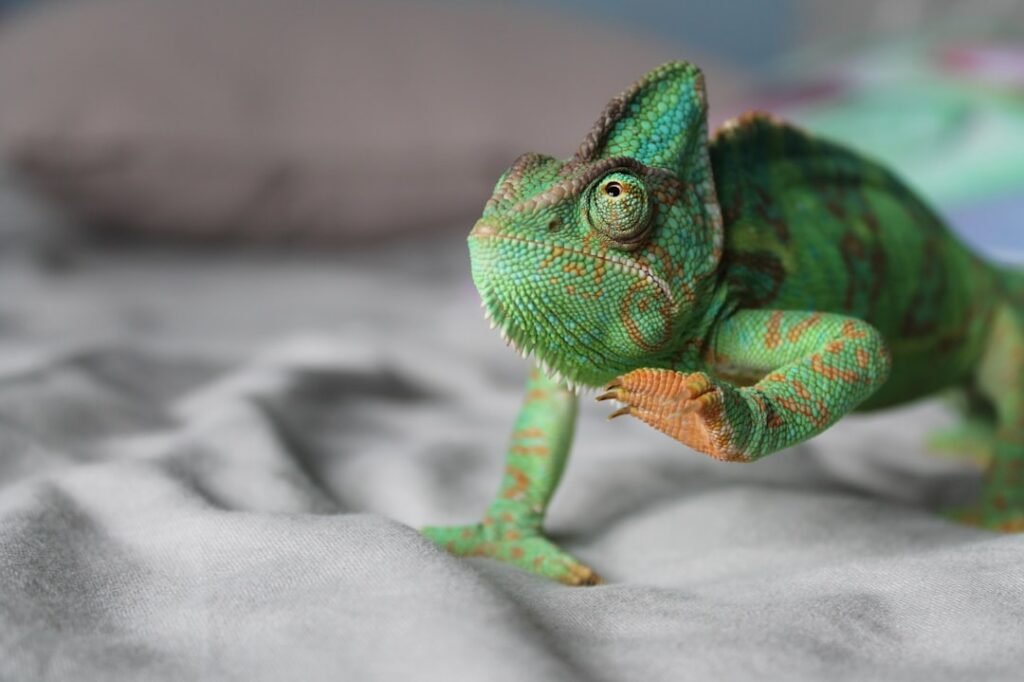
Bringing new life into your chameleon collection is incredibly rewarding, but successful pygmy chameleon breeding starts long before eggs appear. Understanding your chameleon’s physical condition is the secret to avoiding egg-binding, weak clutches, and stressed animals. Many beginners dive into breeding without checking if their pygmy chameleons are truly ready, leading to heartbreaking losses. This guide cuts through the guesswork with a practical body scoring system you can use today. We’ll translate veterinary concepts into simple visual and tactile checks you can perform during routine care. By mastering these assessments, you’ll not only boost breeding success but also catch health issues early—making you a more confident keeper whether you’re planning to breed or just want the healthiest pet possible.
Why Body Condition Matters More Than You Think
Pygmy chameleons operate on a razor-thin margin between thriving and declining, especially when breeding. Unlike bearded dragons that can handle some weight fluctuations, these tiny reptiles have minimal fat reserves. When a female enters breeding condition without adequate resources, she’ll pull calcium directly from her bones—a one-way path to metabolic bone disease. The search results confirm this delicate balance: temperatures above 80°F become lethal, and humidity must stay between 60-100% depending on time of day. Their small size means even minor dehydration or malnutrition impacts breeding capacity immediately. I’ve seen breeders lose entire clutches because they didn’t notice their female was 10% underweight—the visual cues are subtle but critical. Proper body scoring isn’t just about confirming pregnancy; it’s about ensuring your chameleon has the physical reserves to handle the massive energy expenditure of egg production without compromising her own health. Think of it as a pre-breeding safety checklist written on their bodies.
Sexing Your Pygmy Chameleons Correctly (First Step!)
You can’t assess breeding condition without knowing your chameleon’s sex—and misidentification causes countless failed breeding attempts. According to Chameleon Forums, Rhampalophos brevicaudatus males show three unmistakable traits: a longer, slimmer tail; a more pronounced serrated dorsal crest; and that telltale hemipenal bulge at the base of the tail. Females have noticeably rounder bodies even when not gravid, with shorter tails. For Rh. spectrum and Rh. temporalis species, males develop that prominent bulge while females stay sleek. Don’t rely on color alone—pygmy chameleons change hues based on mood and environment, not sex. The best time to sex them is during morning misting when they’re calm. Gently lift your chameleon and examine the tail base from below; males will have a distinct symmetrical swelling. If you’re still unsure, wait until they’re 4-5 months old as FL Chams notes they reach sexual maturity around this age. Never attempt breeding without 100% confirmation—you’ll stress the animals and waste precious breeding windows.
The 5-Point Body Score System Made Simple
Forget complicated scales—here’s a practical system you can use during weekly weigh-ins. First, weigh your chameleon every Sunday morning before feeding using a gram-scale (accuracy to 0.1g is essential). A healthy adult pygmy chameleon should weigh between 3-8 grams depending on species. Then perform these visual checks:
Worried About Your Reptile's Health?
Upload a photo and get instant AI health analysis. Catch problems before they become expensive vet bills.
Get Free Health Check →- Rib Check: Gently part the skin on the flanks. You should see faint rib definition but no sharp protrusions. If ribs look like piano keys, they’re underweight.
- Spine Test: Run a fingertip down the back. The spine should feel rounded, not like a saw blade. A sharp spine indicates muscle loss.
- Eye Shine: Bright, alert eyes signal good hydration and nutrition. Dull or sunken eyes mean they’re not in breeding condition.
- Leg Firmness: Legs should feel plump when gently squeezed. “Twig legs” mean depleted energy reserves.
- Abdomen Shape: Non-gravid females have a smooth belly line. A slightly rounded but not bulging abdomen indicates readiness.
Score each point 1-5 (1=poor, 5=ideal). Add them up: 20-25 means prime breeding condition, 15-19 needs conditioning, below 15 requires veterinary attention. I’ve had breeders skip this and lose females to egg-binding because they mistook dehydration bloat for gravidity—this system eliminates that risk.
Nutrition: The Breeding Condition Booster
Getting your pygmies to ideal body score requires strategic feeding, not just more food. Start with gut-loading insects 24 hours before feeding—use Repashy SuperLoad or a mix of dandelion greens, carrots, and bee pollen. Dust prey items with calcium (no D3) daily for breeding females, switching to calcium with D3 twice weekly during conditioning. The critical detail many miss: offer food multiple times daily. FL Chams notes hatchlings eat “as many flightless fruitflies as they can eat several times a day”—adults need this frequency too when building reserves. A breeding female should consume 10-15 small crickets daily (¼” size), plus 20-30 fruit flies. Introduce phoenix worms twice weekly for their natural calcium boost. Monitor consumption: if they leave food after 15 minutes, reduce portions slightly. During conditioning, add a weekly bee pollen sprinkle to their water dish—this superfood boosts fertility without over-supplementation risks. Remember, obesity is as dangerous as underweight; if their abdomen looks lopsided or they struggle to climb, cut back immediately.
Husbandry Tweaks for Breeding Success
Your enclosure setup directly impacts body condition. Start with humidity: Chameleon News specifies 70-95% humidity with nighttime spikes. Use a digital hygrometer at mid-cage height—not near the misting nozzle—to get accurate readings. If levels dip below 60%, add live moss balls to the substrate or install a $20 cool-mist humidifier on a timer (run 2 hours before lights out). Temperature is equally crucial—never exceed 78°F as Dubia.com warns. During breeding conditioning, create a gentle thermal gradient: 72°F on the cool side, 76°F basking spot. Use a ceramic heat emitter on a thermostat instead of a basking bulb to avoid drying the air. For substrate, layer 3″ of Zoo Med Eco Earth topped with chemical-free leaf litter; this maintains humidity while giving gravid females a digging surface. Most importantly, add a dedicated nesting area: a 12″ deep container filled with slightly moist coconut husk mix placed in the enclosure’s quietest corner. Without this, females will retain eggs even if physically ready—FL Chams confirms they “readily accept most insects” but won’t lay without proper nesting.
Spotting Trouble: When to Pause Breeding
Even with perfect conditioning, warning signs mean hitting pause. First, check for “stress stripes”—dark lateral lines that appear overnight. While some color change is normal, persistent dark markings indicate chronic stress that depletes breeding reserves. Second, monitor drinking behavior: a chameleon in proper breeding condition will lap water droplets eagerly after misting. If they ignore misting sessions or only drink from standing water, they’re dehydrated and not ready. Third, watch for abnormal weight loss: losing more than 5% of body weight in a week during conditioning requires immediate intervention. Chameleon Forums reports temperatures over 80°F can cause “blotchy skin with dark areas,” which mimics stress but actually signals overheating. If you see this, cool the enclosure immediately and postpone breeding. Finally, never breed a female who hasn’t laid a successful clutch before—they need that physiological experience. If she’s over 1 year old (per That Reptile Blog’s recommendation) but never laid eggs, consult a reptile vet before introducing a male.
Never Miss Early Warning Signs
AI photo analysis catches subtle health issues humans miss 80% of the time. Early detection = healthier reptile + lower vet bills.
Start Free Trial →From Condition to Clutch: The Final Stretch
When your female hits peak body score (23+), introduce the male for short supervised sessions—15 minutes twice weekly. Watch for the female’s acceptance signals: bright coloration, calm posture, and approaching the male. Rejection signs (dark colors, hissing, retreating) mean she’s not quite ready despite good body score. Once breeding occurs, shift husbandry immediately: increase misting to 4x daily, maintain 85% humidity, and offer calcium-dusted feeders 3x daily. The gravid female’s abdomen will swell evenly—uneven bulges indicate problematic egg positioning. At 21 days post-breeding, provide the nesting container; she’ll dig when ready. FL Chams notes eggs need “slightly moist” substrate that “clumps when squeezed”—too dry causes tunnel collapse. After laying, return her to normal care but continue heavy supplementation for 30 days while she recovers body condition. Incubate eggs at 77°F in vermiculite (1:1 water ratio by weight) for 6 months as per Senegal chameleon protocols which apply to pygmies too.
Conclusion: Healthy Chameleons, Successful Breeding
Mastering pygmy chameleon breeding condition isn’t about pushing animals to their limits—it’s about honoring their delicate biology through precise observation and care. By implementing this body score system, you transform from a hopeful breeder into a steward who ensures every breeding attempt prioritizes the chameleon’s wellbeing. Remember that ideal condition shows in subtle details: smooth rib contours, plump legs, and that unmistakable alertness in their eyes. When you see these signs, you’ll know you’ve created the perfect foundation for healthy clutches and thriving mothers. Most importantly, this knowledge protects your chameleons from the silent dangers of premature breeding. Whether you’re preparing for your first clutch or refining your technique, these practical assessments put you in tune with your chameleon’s true needs. The most successful breeders aren’t those who produce the most eggs—they’re the ones who keep their animals flourishing for years to come. Now go check those body scores; your future healthy hatchlings are counting on you.
Ready to Give Your Reptile the Best Care?
Stop guessing and start knowing. Get personalized AI-powered care guidance, photo health analysis, and 24/7 expert advice for YOUR specific reptile.
Get Personalized Care Guidance
AI-powered photo analysis and daily care tracking for YOUR reptile
Try Free for 7 Days →