
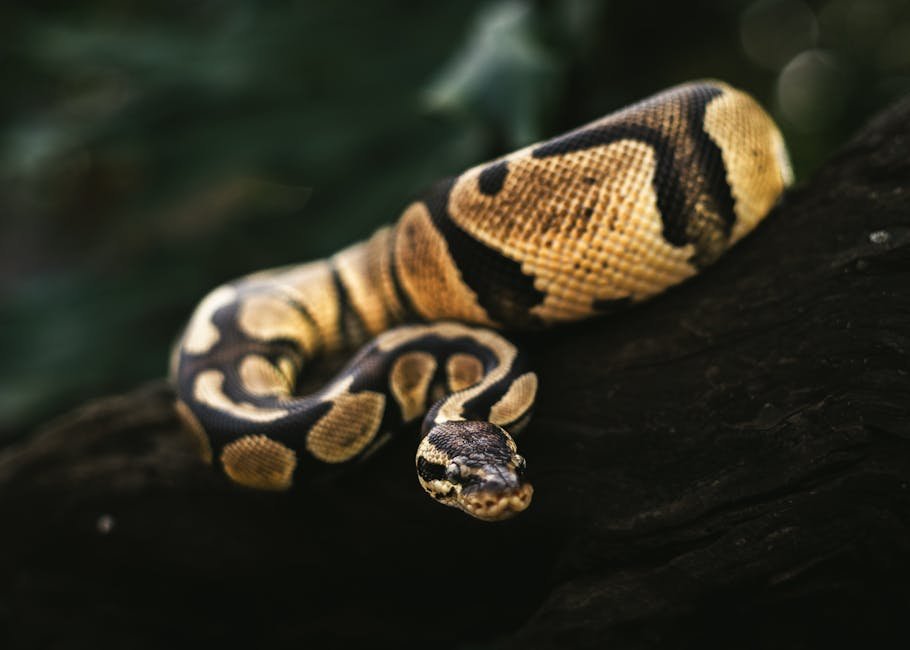
As a ball python owner, you’ve probably wondered: should you stick to one type of prey or mix things up? This seemingly simple question sparks heated debates in reptile communities and directly impacts your snake’s long-term health. While some keepers swear by strict consistency, others champion dietary diversity. The truth? Both approaches have merit, but understanding when to apply each strategy is crucial for preventing feeding strikes and ensuring optimal nutrition. Getting this balance wrong can lead to frustrating refusals, nutritional gaps, or even health complications down the line. Let’s cut through the confusion with science-backed strategies that actually work in real-world enclosures.
Why Your Ball Python’s Diet Matters More Than You Think
Unlike mammals, ball pythons don’t have the luxury of varied meals at every sitting in the wild. They’re opportunistic ambush predators that might go weeks between meals, consuming whatever small mammals or birds they can overpower. This evolutionary background creates a fascinating paradox: while they naturally experience dietary variety over time, each individual meal is typically uniform. In captivity, we must mimic this balance without triggering their instinctive caution. Nutritional deficiencies rarely show immediate symptoms but can manifest as poor shedding, weak immune systems, or metabolic bone disease years later. The key lies in replicating nature’s pattern—offering different prey types periodically while maintaining feeding reliability. Remember that ball pythons are famously finicky; a sudden diet change during stress periods (like shedding or relocation) often backfires spectacularly.
The Surprising Benefits of Prey Variety (When Done Right)
Offering diverse prey items isn’t just about keeping things interesting—it addresses critical nutritional needs. Different rodents and birds provide unique vitamin and mineral profiles that prevent long-term deficiencies. For example:
- Rats offer higher fat content ideal for growing juveniles
- Mice provide more calcium relative to size, supporting bone development
- Chicks or quail introduce feather texture that stimulates natural hunting behavior
- Gerbils or hamsters have distinct scent profiles that can trigger feeding responses in stubborn eaters
Wild ball pythons, particularly males who climb trees, regularly consume birds—so incorporating feathered prey isn’t unnatural. The nutritional spectrum from varied sources helps prevent “prey burnout,” where snakes associate a single prey type with negative experiences. Start introducing alternatives early: if your hatchling accepts rat fuzzies, occasionally offer a mouse pup of equivalent size. Rotate prey every 3-4 feedings once your snake establishes regular eating habits. Always ensure new options match your snake’s current size—never jump from mice to adult rats abruptly. Monitor weight closely during transitions; a 5-10% temporary dip is normal, but sustained loss requires reverting to familiar prey.
Worried About Your Reptile's Health?
Upload a photo and get instant AI health analysis. Catch problems before they become expensive vet bills.
Get Free Health Check →When Consistency Outperforms Variety (Critical Exceptions)
There are specific scenarios where changing prey types does more harm than good. Young ball pythons under six months should almost always stick to one prey type—rats are strongly recommended by experienced breeders. Starting hatchlings on rat pinkies prevents future pickiness, as mice-fed juveniles often refuse larger rats needed for adult nutrition. If your snake has a history of feeding refusal, especially during seasonal changes or breeding seasons, maintain absolute consistency. Female ball pythons commonly enter year-long fasting periods when gravid—introducing new prey then guarantees refusal. During environmental stressors like enclosure changes, vet visits, or humidity fluctuations, revert to their most trusted prey item. Never mix variety strategies with the “move-to-feed” myth; feeding in their established enclosure where they feel secure is non-negotiable for anxious eaters. If your ball python has successfully eaten the same prey type for over a year, sudden changes could trigger unnecessary strikes.
Mastering the Perfect Feeding Balance: Actionable Strategies
Implementing smart variety requires precise technique. Begin by establishing a rock-solid foundation with one reliable prey type for the first 3-4 months. Once your snake consistently eats every 7-10 days, introduce alternatives using these methods:
- Size matching: Offer new prey at identical girth to current meals (e.g., a small rat pup instead of large mouse)
- Scent transfer: Rub new prey with fur/feathers from accepted items using a Q-tip
- Gradual blending: Alternate known and new prey every other feeding for 2-3 cycles
- Temperature precision: Always warm prey to 98-100°F using the water-thaw method—cold prey triggers instant refusal
Track responses in a feeding journal noting prey type, size, temperature, and environmental conditions. If refusal occurs with new items, revert to familiar prey for two cycles before retrying. Never offer live prey as “variety”—frozen-thawed remains the gold standard for safety. For picky eaters, Reptilinks’ formulated alternatives can bridge nutritional gaps but should be transitional; most snakes eventually reject them after experiencing real rodents. Adjust frequency based on age: hatchlings need feeding every 5-7 days, juveniles weekly, and adults every 10-21 days—weigh monthly to prevent obesity from overfeeding large prey.
Troubleshooting Diet-Related Refusal: What Actually Works
When your ball python stops eating, diet is rarely the sole culprit. First rule out environmental issues: check basking temperatures (88-92°F), ambient humidity (60-70%), and hiding options (at least two secure hides). If husbandry is perfect but refusal persists, consider these targeted solutions:
Never Miss Early Warning Signs
AI photo analysis catches subtle health issues humans miss 80% of the time. Early detection = healthier reptile + lower vet bills.
Start Free Trial →- For mice-fed adults refusing larger rats: Try “rat-hopping”—offer a large mouse pup followed by small rat pup 24 hours later
- Seasonal fasters (Oct-Jan): Reduce enclosure activity but maintain consistent prey presentation; never force-feed
- Shedding-related refusal: Wait 48 hours post-shed before offering food; mist enclosure to ease skin irritation
- Bird-averse snakes: Use forceps to wiggle chicks like rodents—mimic mammal movement patterns
Never change multiple variables at once (e.g., new prey + new enclosure). If refusal lasts beyond three scheduled meals, consult a reptile vet—prolonged fasting can indicate mites, respiratory infections, or parasites. Remember that healthy adult ball pythons can safely fast 3-6 months; forcing variety during natural fasting periods causes more stress than benefit. Document refusal patterns—some snakes reliably skip meals every fall, which isn’t cause for alarm if weight remains stable.
Creating Your Customized Feeding Plan
Your perfect diet strategy depends on your snake’s history and personality. For confident hatchlings, implement planned variety from month three: alternate rats with occasional mice or chicks. For known picky eaters, stick to one prey type for 6-12 months before introducing alternatives during high-activity seasons (spring/summer). Always keep a “refusal toolkit” ready: extra-small prey for strike recovery, scent-transfer materials, and a backup heat source for precise prey warming. Monitor body condition visually—your snake should have smooth curves without visible spine ridges or lumps. If using variety, ensure no single prey type exceeds 60% of annual meals to maintain nutritional diversity. Remember that consistency in feeding routine (time of day, presentation method) matters more than prey type consistency—ball pythons thrive on predictable patterns even with varied menus. When in doubt, default to their most successful feeding scenario while slowly expanding options during stress-free periods.
The Balanced Approach to Lifelong Health
Ultimately, the diet debate resolves into a simple principle: variety for nutritional completeness, consistency for feeding reliability. Start hatchlings on rats to avoid future size limitations, then introduce controlled diversity once regular eating is established. Never sacrifice security for novelty—your ball python’s sense of safety in its enclosure outweighs any theoretical nutritional benefit. By understanding your individual snake’s triggers and preferences, you’ll navigate seasonal fasts and picky phases with confidence. The healthiest ball pythons aren’t those on perfectly varied diets, but those whose keepers recognize when to mix things up and when to stick to the routine. Whether you offer the occasional gerbil or keep it simple with rats, your mindful approach to this balance ensures decades of thriving companionship with these magnificent creatures. Remember—a “hidey” ball python is a happy one, and that contentment starts with stress-free, reliable meals tailored to their unique needs.
Ready to Give Your Reptile the Best Care?
Stop guessing and start knowing. Get personalized AI-powered care guidance, photo health analysis, and 24/7 expert advice for YOUR specific reptile.
Get Personalized Care Guidance
AI-powered photo analysis and daily care tracking for YOUR reptile
Try Free for 7 Days →