
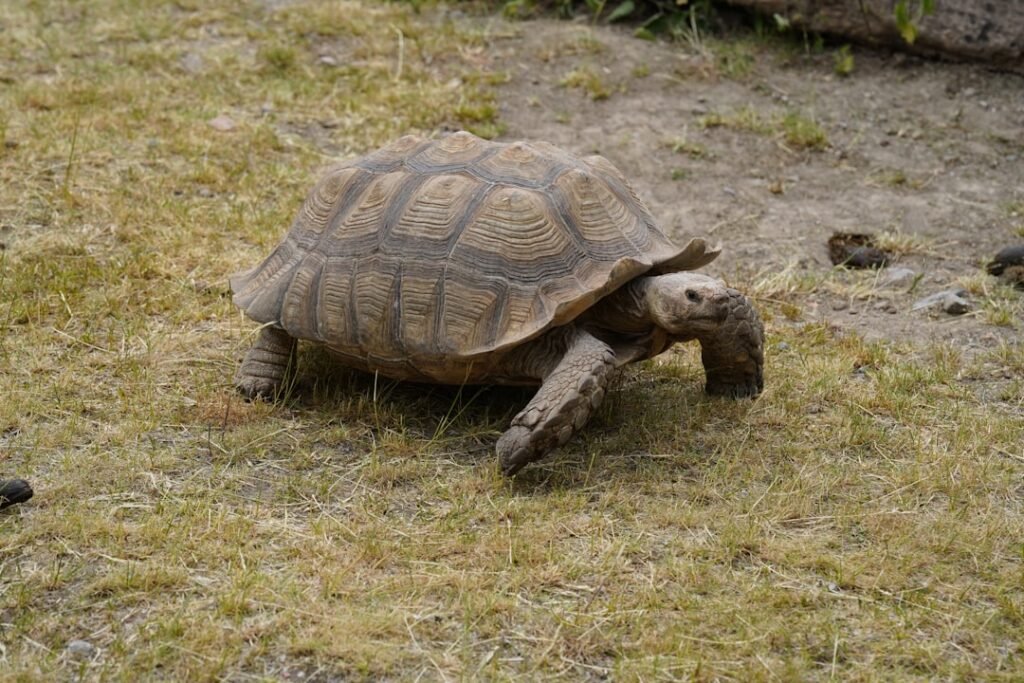
Did you know your sulcata tortoise might be quietly dehydrated even with a water dish nearby? Many owners focus solely on water bowls, missing a crucial hydration secret: your tortoise’s food choices directly impact its water balance. Unlike mammals, sulcatas evolved to extract moisture primarily from fibrous plants in arid environments. When we feed inappropriate foods, we disrupt this natural hydration system, leading to pyramided shells, bladder stones, and kidney strain. This isn’t just about offering water—it’s about crafting a diet that works *with* your tortoise’s biology. Let’s explore how smart food selections can keep your giant friend plump, healthy, and thriving without constant soaking.
Why Fiber Is Your Hydration Hero
Fiber isn’t just about digestion—it’s your tortoise’s built-in water reservoir. In the wild, sulcatas munch on dry grasses that swell in their gut, slowly releasing moisture over hours. This mimics nature’s drip-irrigation system. When you feed high-fiber foods like timothy hay or Bermuda grass, the indigestible fibers absorb water in the digestive tract and release it gradually as the tortoise processes the food. This prevents rapid water loss through urates (those white pasty deposits) and keeps internal systems lubricated. Low-fiber foods like lettuce or fruit pass through too quickly, giving minimal hydration while stressing kidneys. Aim for 85% of the diet to be grasses and hays—this isn’t just “good advice,” it’s non-negotiable for proper hydration. If your tortoise’s urates are consistently chalky or dry, it’s a red flag your fiber intake is too low.
Top 5 Water-Rich Foods That Actually Hydrate
Not all “wet” foods hydrate effectively. Many蔬果 cause more harm than good. Focus on these vet-approved hydrators that deliver moisture without sugar spikes:
- Dandelion greens (leaves AND flowers): Packed with potassium that helps cells retain water. Chop stems finely for juveniles. Harvest from pesticide-free zones only.
- Prickly pear cactus pads (nopales): Remove spines thoroughly, then dice. Contains 88% water with perfect calcium-to-phosphorus ratio. Freeze-dried versions work in winter.
- Endive/escarole: Crisp texture provides slow-release hydration. Avoid iceberg lettuce—it’s 95% water but lacks fiber, causing diarrhea that dehydrates further.
- Fresh timothy hay: Soak hay pellets for 10 minutes before serving to juvenile tortoises. The expanded fibers act like a sponge in their gut.
- Hibiscus leaves/flowers: High in mucilage (a natural gel) that coats the digestive tract, reducing water loss. Grow your own to avoid chemical sprays.
Rotate these daily—never rely on one source. Chop foods into pea-sized bits for tortoises under 6 inches to prevent choking. For adults, leave some grasses whole to encourage natural grazing behavior.
Worried About Your Reptile's Health?
Upload a photo and get instant AI health analysis. Catch problems before they become expensive vet bills.
Get Free Health Check →Foods That Secretly Dehydrate Your Tortoise
Some “healthy” human foods sabotage hydration. Avoid these common culprits:
- Fruit (even small amounts): Sugar draws water into the gut, causing explosive diarrhea. One strawberry can trigger 24 hours of dehydration.
- Beans/legumes: High protein forces kidneys to excrete excess nitrogen, pulling water with it. This directly causes uric acid stones.
- Spinach/chard: Oxalates bind calcium, forcing the body to use stored water to flush toxins. Occasional tiny amounts are okay, but never daily.
- Commercial “treat” mixes: Often contain dried fruit or corn. Check labels—anything with “sugar” or “molasses” belongs in the trash.
Notice your tortoise straining to pass urates? This is often called “sand” but it’s actually crystallized uric acid from dehydration. Immediate diet correction is critical—this can escalate to life-threatening bladder stones within months.
Hydration-Boosting Meal Plans by Age
Your tortoise’s hydration needs shift dramatically as it grows. Customize portions like this:
For Hatchlings (0-1 year)
Soak daily in shallow, lukewarm water (depth = chin height) for 20 minutes before feeding. Their tiny bodies lose moisture fast. Serve: 70% chopped timothy hay (soaked), 20% grated dandelion root, 10% hibiscus flowers. Dust food with calcium powder 3x weekly. Never offer fruit—even “for vitamins.”
Never Miss Early Warning Signs
AI photo analysis catches subtle health issues humans miss 80% of the time. Early detection = healthier reptile + lower vet bills.
Start Free Trial →For Juveniles (1-5 years)
Soak 2x weekly post-feeding (when gut is full, they absorb more water). Serve: 60% mixed grasses (rye, fescue), 30% diced prickly pear, 10% chopped mulberry leaves. Add 1 tsp plain psyllium husk to meals 2x weekly—it swells 40x its size in water, creating a hydration buffer.
For Adults (5+ years)
Focus on grazing: Plant a dedicated grass patch in their enclosure. Ideal mix: 50% Bermuda grass, 30% orchard grass, 20% clover. Supplement with whole cactus pads 2x weekly. Skip regular soaking—over-soaking adults can cause respiratory issues. Instead, mist their grazing area lightly at dawn to mimic desert dew.
Always serve food dry except for hatchlings. Wet food left overnight breeds deadly bacteria. Remove uneaten portions after 4 hours.
When Water Bowls Aren’t Enough: Smart Soaking Fixes
Even with perfect food, supplemental hydration is vital during heatwaves or dry winters. But most owners soak wrong:
Join thousands of successful reptile owners
Try ReptileCoach Free →- Timing matters: Soak 1 hour AFTER feeding so food absorbs water in the gut. Never soak on empty stomachs—it causes stress.
- Water depth is critical: For tortoises under 10 lbs, fill container to just below the plastron (bottom shell). Deeper water risks drowning as they strain to lift heads.
- Add electrolytes naturally: Steep 1 chamomile tea bag in 2 cups warm water (cooled) for soaks. The tannins reduce gut inflammation from dehydration.
- Track output: Healthy tortoises pass urates during soaks. No output after 15 minutes? Consult a vet—this indicates severe dehydration.
Never use soap or additives in soak water. And skip those “hydrating” reptile drops—they’re unnecessary if you feed correctly. If your tortoise avoids the water dish, try a shallow terra cotta saucer sunk flush with the substrate—it feels safer than a raised bowl.
Your Hydration Success Checklist
Prevent dehydration disasters with these daily habits:
- Check urates each morning: They should be semi-solid, not chalky or liquid
- Pinch the skin on the leg: It should snap back instantly (slow return = dehydrated)
- Offer fresh water daily in a heavy, shallow dish (tip-proof!)
- Wipe eyes/nose with damp cloth if crusty—early sign of dehydration
- Store hay in airtight containers—dry hay loses 30% hydration value
Remember: A sulcata tortoise drinking constantly from its bowl is crying for help. It means their food isn’t providing adequate moisture. Adjust the diet first before increasing soaks.
Building a Lifetime of Hydration Health
Hydration isn’t a quick fix—it’s woven into every meal you serve. By prioritizing fibrous grasses over flashy “treats,” you’re giving your sulcata the gift of thriving, not just surviving. Watch how their movements become smoother, their eyes brighter, and their growth steady and pyramid-free. This approach prevents heartbreaking vet bills down the road, from bladder surgery to metabolic bone disease. Most importantly, it honors what makes sulcatas miraculous: their ability to flourish in harsh environments when given the right tools. Your commitment to smart food choices today ensures decades of joyful companionship with your gentle giant. Start tonight—toss the fruit bowl, fill that grass patch, and watch your tortoise drink deeply from nature’s design.
"This app saved my bearded dragon's life. The AI caught early MBD in photos I thought looked completely normal. Worth every penny!"
— Sarah K., ReptileCoach User
Get Your Free 7-Day Trial →Ready to Give Your Reptile the Best Care?
Stop guessing and start knowing. Get personalized AI-powered care guidance, photo health analysis, and 24/7 expert advice for YOUR specific reptile.
Get Personalized Care Guidance
AI-powered photo analysis and daily care tracking for YOUR reptile
Try Free for 7 Days →