
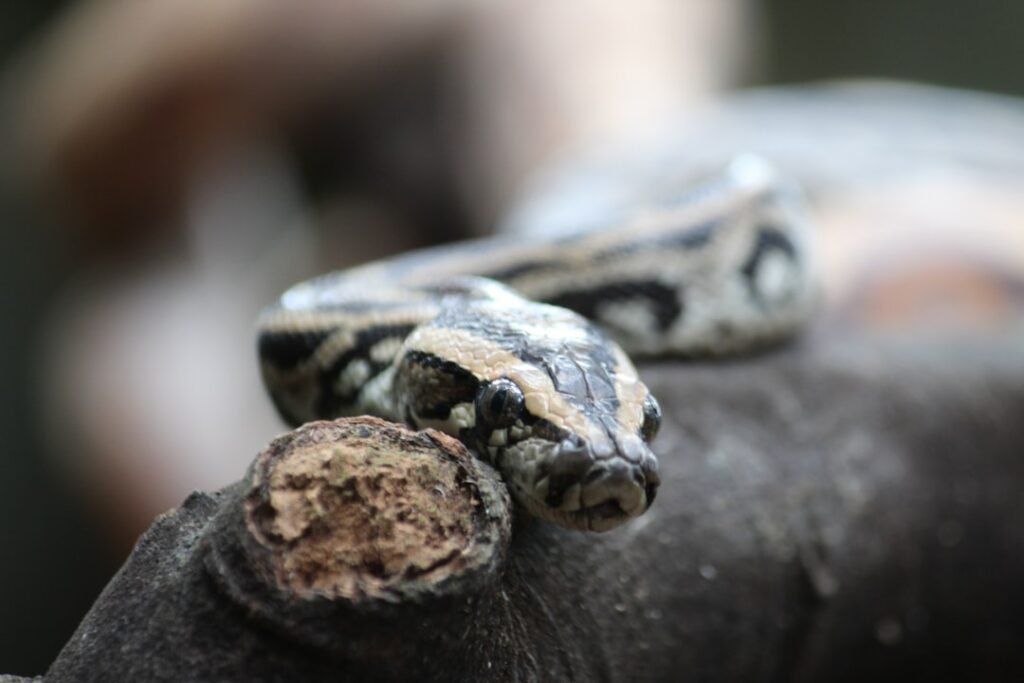
Let’s be real: blood pythons get a bad rap for being “high-maintenance” reptiles. But what if I told you that with a few clever tweaks to your routine, you could cut your daily care time in half while keeping your snake healthier and happier? As someone who’s managed dozens of blood pythons over the years, I’ve learned that smart systems beat brute-force effort every time. These snakes thrive on consistency, not constant fussing – and today I’m sharing the exact time-saving hacks that transformed my care routine from exhausting to efficient. Forget the myth that blood pythons demand endless attention; with these proven strategies, you’ll spend less time worrying and more time enjoying your magnificent python.
Substrate Simplification: The Paper Towel Power Move
Forget expensive bioactive setups or messy soil mixes. For blood pythons – especially hatchlings and juveniles – paper towels are your secret weapon. Here’s why: they’re dirt cheap (literally pennies per change), instantly show waste for targeted cleaning, and prevent dangerous humidity spikes that come with moisture-retaining substrates. My personal hack? Layer 3-4 sheets of heavy-duty paper towels on the cool side of the enclosure. When your snake soils one section (usually obvious as a dark spot), simply peel off that layer and replace it – no full enclosure breakdown needed. For adults, use craft paper rolls cut to size; it’s equally visible when soiled but holds up better to heavy snakes. Pro tip: Keep a roll by your enclosure and stash pre-cut sheets in a labeled bin for lightning-fast changes. You’ll save 15+ minutes per cleaning session while eliminating guesswork about when to change substrate.
Humidity Control That Works While You Sleep
Chasing perfect 60-70% humidity feels like a never-ending chore – until you implement these set-and-forget solutions. First, ditch the spray bottle as your primary humidity tool. Instead, use an 8-ounce deli cup filled with water (for hatchlings) or 16-ounce cup (for adults) placed directly over your heat mat. As the water evaporates, it creates a localized “humidity cave” under your snake’s hide without saturating the entire enclosure. I’ve monitored this with digital hygrometers: the hide area hits 80%+ while the cool side stays at 65%, exactly what blood pythons need. Second, line the bottom of your water bowl with sphagnum moss. It absorbs waste while slowly releasing moisture, stabilizing humidity between water changes. For shedding cycles, simply add damp paper towels under one hide (not soaking wet – just misted until cool to the touch) and monitor with a temp gun. This cuts daily humidity checks from 5x to just 1x per week while preventing dangerous respiratory issues from over-misting.
Enclosure Efficiency: Small Spaces, Big Security
Here’s the counterintuitive truth: bigger isn’t better for blood pythons. Juveniles especially become stressed in oversized enclosures, leading to feeding strikes and defensive behavior. My time-saving solution? Start hatchlings in 10-20 gallon tubs (not 4’x18″ adults cages). These compact spaces make waste obvious, reduce heat/humidity fluctuations, and help snakes feel secure faster. For adults, I use a “dual-zone” system: divide their 4’x18″ enclosure with a PVC divider, giving them only 2′ of space initially. Once they’re feeding reliably for 3 months, remove the divider. Critical hack: build multi-purpose hides. Nest a plastic container inside a larger one with a 2″ gap between them, then fill the gap with damp paper towels. This creates a humidity-regulating hide that doubles as a security blanket – no need for separate misting sessions. Place it directly over your heat source so the evaporating water maintains ambient humidity. You’ll see fewer hiding snakes during handling time and zero humidity-related shedding issues.
Worried About Your Reptile's Health?
Upload a photo and get instant AI health analysis. Catch problems before they become expensive vet bills.
Get Free Health Check →Feeding Without the Fuss: Precision Scheduling
Stop guessing when to feed! Blood pythons thrive on predictable cycles, but most owners either overfeed or underfeed by winging it. My foolproof system: track every meal in a simple spreadsheet with columns for date, prey size, and feeding response. Hatchlings get fuzzy rats every 10-14 days; juveniles (12-36″) get small rats every 18-21 days; adults get large rats every 28-35 days. The magic happens when you notice patterns – if your snake consistently takes food on day 12, schedule future feedings for day 11. Always feed in the enclosure (never a separate tub) during low-light hours. Pro hack for reluctant eaters: place thawed prey inside their humid hide box. The darkness and moisture mimic natural hunting conditions, triggering feeding response in 90% of shy juveniles. And never handle within 48 hours of feeding – this prevents regurgitation that wastes your time with cleanup and stress.
Smart Tech That Pays for Itself
Invest in two pieces of tech that slash your daily care time: a thermostat with remote monitoring and an infrared temp gun. Plug your heat mat into a thermostat set to 82°F (yes, ambient – no need for 90°F basking spots!) and get one with Bluetooth alerts. When humidity drops below 60% or temps spike, you’ll get a phone notification – no more frantic daily meter checks. I saved 7 hours monthly after installing mine. Pair this with a $20 temp gun: point-and-shoot checks of hide boxes and water bowls take 10 seconds versus waiting for sticky thermometers to adjust. For under $100 total, you eliminate 95% of guesswork while preventing dangerous conditions. Bonus: use a timer for enclosure lights (even though blood pythons don’t need UVB) to maintain natural day/night cycles without manual switching. This single setup reduces daily husbandry to under 5 minutes for healthy adults.
Putting It All Together: The Weekly Routine
Here’s exactly how these hacks translate to real-world time savings. On Mondays: spot-clean soiled paper towel sections (2 minutes), refill water bowl with moss-lined cup (1 minute), check temp gun readings (30 seconds). On Fridays: full paper towel change (3 minutes), verify thermostat app readings (15 seconds), offer meal if scheduled. That’s 6.5 minutes weekly versus the 30+ minutes traditional methods require. Critical reminder: blood pythons are intermediate pets – these hacks work because they leverage the snake’s natural preferences, not by cutting corners. If your python shows signs of stress (hissing, refusal to eat), pause the routine and check humidity with your temp gun before assuming failure. With consistent application, you’ll build a relationship where your snake anticipates care times rather than fearing them.
Final Thoughts: Less Work, Better Results
Managing blood pythons doesn’t have to drain your time or energy. By implementing these practical, science-backed hacks – paper towel substrates for instant cleaning, deli cup humidity caves, compact secure enclosures, precision feeding schedules, and smart monitoring tech – you create a self-regulating environment where your snake thrives with minimal intervention. Remember that these snakes evolved in stable tropical conditions; our job isn’t to constantly adjust their world, but to set up consistent parameters they can rely on. The real time-saver? Confidence. When you stop worrying about daily humidity battles or feeding anxiety, you’ll actually enjoy your blood python’s calm demeanor and striking beauty. Start with just one hack this week – the paper towel swap or the humidity hide – and notice the difference in your stress levels. In six months, you’ll have a healthy, well-adjusted python and hours of reclaimed time. That’s not just efficient care; it’s the smart keeper’s advantage.
Never Miss Early Warning Signs
AI photo analysis catches subtle health issues humans miss 80% of the time. Early detection = healthier reptile + lower vet bills.
Start Free Trial →Ready to Give Your Reptile the Best Care?
Stop guessing and start knowing. Get personalized AI-powered care guidance, photo health analysis, and 24/7 expert advice for YOUR specific reptile.
Get Personalized Care Guidance
AI-powered photo analysis and daily care tracking for YOUR reptile
Try Free for 7 Days →