
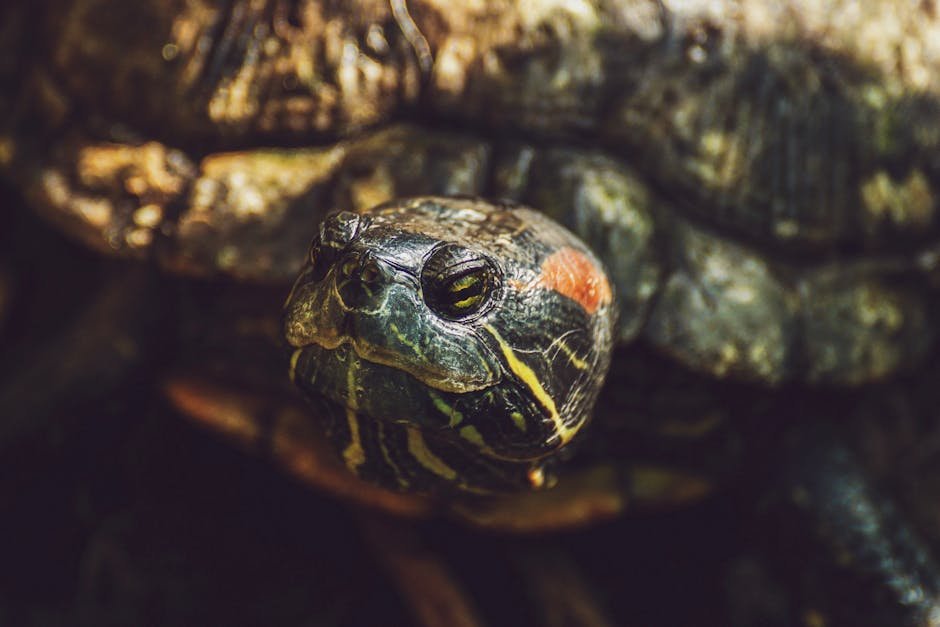
Have you ever walked past your red-eared slider’s enclosure only to find them frantically digging with their hind legs? Or perhaps you’ve noticed your turtle buried halfway under the substrate, looking completely absorbed in their excavation project. It’s a common sight that leaves many turtle owners puzzled and concerned. Is this normal? Should you be worried? The truth is, burrowing behavior is deeply ingrained in red-eared sliders’ instincts and serves several vital purposes. Understanding why your turtle digs isn’t just fascinating—it’s essential for providing proper care and peace of mind. This guide breaks down the science behind their digging habits, helping you distinguish between healthy instincts and potential health concerns.
Why Nesting Behavior Triggers Digging
One of the most frequent reasons female red-eared sliders dig is to prepare a nest for eggs. Even if your turtle has never mated, she can still produce infertile eggs—a natural process that requires significant energy and preparation. Watch for telltale signs like restlessness, refusal to eat, and persistent scratching at the basking area or enclosure walls. Your turtle might start test-digging in shallow areas before committing to a full nest site. In the wild, females seek soft, sandy soil near water bodies to lay 2–30 eggs per clutch, covering them carefully to protect from predators. If you notice this behavior, provide a dedicated nesting box filled with 6–8 inches of moist (not wet) sand-soil mix. Position it away from lighting to mimic natural conditions. Never interrupt the process—disturbing a nesting turtle can cause egg-binding, a life-threatening condition where eggs remain trapped internally.
Brumation: Winter Dormancy Explained
As temperatures drop in fall, red-eared sliders naturally prepare for brumation—a reptilian version of hibernation. During this period, your turtle’s metabolism slows dramatically, requiring them to bury themselves in mud or substrate to stay insulated. Wild sliders burrow into pond bottoms or soft earth, remaining dormant until spring. In captivity, signs include reduced appetite starting around October, lethargy, and digging at the enclosure’s base. If your turtle is over 3–4 years old and healthy, you can support this instinct by gradually lowering water temperature to 50–55°F (10–13°C) and reducing daylight hours. Never force brumation—if your turtle remains active, maintain regular care. Key safety steps include ensuring the enclosure has deep, damp substrate (like coconut fiber) for burrowing and monitoring weight weekly. Avoid brumating turtles under 3 years old or those with health issues, as they lack sufficient fat reserves to survive the dormant period.
Aestivation: Beating the Summer Heat
While brumation handles cold, aestivation is your turtle’s strategy for surviving extreme heat. When temperatures soar above 85°F (29°C), red-eared sliders may dig to escape scorching conditions. This behavior mimics their natural response to droughts, where they bury themselves in cool mud to conserve moisture and lower body temperature. You might notice your turtle digging persistently during hot afternoons or attempting to cover themselves completely. To accommodate this, ensure their enclosure has a shaded retreat with moist substrate. Add a shallow mud pit in the basking zone using a mix of topsoil and water, and maintain a thermal gradient with cooler areas below 75°F (24°C). Never restrict digging during heatwaves—it’s a critical survival instinct. If your turtle seems stressed (panting, excessive floating), temporarily increase water changes or add a small fan for airflow.
Worried About Your Reptile's Health?
Upload a photo and get instant AI health analysis. Catch problems before they become expensive vet bills.
Get Free Health Check →Other Common Reasons for Digging
Beyond nesting and dormancy, red-eared sliders dig for practical daily needs. Juveniles often scratch at substrate while hunting for buried insects or worms—a behavior inherited from wild foraging. Some turtles dig simply to adjust their basking position, creating a custom depression for comfort. Others may dig to regulate humidity around their shell, especially in dry environments. Territorial behavior can also trigger digging, particularly in multi-turtle setups where one asserts dominance over prime basking spots. If your turtle digs without nesting or dormancy signs, assess their environment: Is the basking area too hard? Is substrate too dry? Is food buried intentionally? Simple fixes like adding soft sphagnum moss or rearranging decor often resolve “problem” digging. Remember, occasional digging is normal—only concern arises if it’s constant, frantic, or paired with weight loss.
When Digging Signals Health Problems
While most digging is instinctive, certain patterns warrant veterinary attention. Persistent, aimless digging without nest completion could indicate shell rot—turtles dig to relieve discomfort from fungal or bacterial infections. Check for soft spots, foul odors, or discolored scutes. Respiratory infections may also cause digging as turtles seek cooler, damper areas to ease breathing. Key red flags include: digging combined with nasal discharge, wheezing, or swollen eyes; refusing to eat for over two weeks; or visible strain during egg-laying attempts. Parasites are another culprit—excessive substrate ingestion while digging can introduce worms. If you suspect illness, quarantine your turtle immediately and consult a reptile vet. Prevent issues by maintaining clean water (use filters and weekly changes), providing UVB lighting, and scheduling annual checkups.
Creating a Dig-Friendly Habitat
Instead of discouraging natural behavior, adapt your setup to support healthy digging. For nesting females, build a separate 2’x2′ nesting box with 8″ deep substrate (equal parts play sand and organic topsoil). Keep it slightly damp—like a wrung-out sponge—and place it near warm basking lights. During brumation seasons, line the enclosure base with 4–6″ of coconut coir mixed with sphagnum moss, misting it to maintain moisture without saturation. For everyday digging, add a “dig zone” using smooth river sand in one corner of the land area. Ensure all substrates are free of sharp particles that could injure your turtle’s plastron. Avoid gravel—it can cause impaction if ingested. Temperature control is critical: maintain water at 75–80°F (24–27°C) year-round unless intentionally brumating, and use thermostats to prevent overheating. Finally, never use cedar or pine substrates—they release toxic oils.
Interpreting Your Turtle’s Digging Cues
Reading your turtle’s digging style provides instant insight into their needs. Slow, methodical digging with careful substrate covering typically signals nesting or brumation preparation. Frantic, repetitive scratching in one spot often indicates discomfort from heat or illness. Digging while partially submerged suggests failed nesting attempts—your turtle may need deeper land access. If your slider digs only on carpets or hard floors outside their tank, they’re likely seeking nesting material. Note timing: digging at dawn/dusk aligns with natural nesting cycles, while midday digging points to heat stress. Keep a behavior log tracking duration, time of day, and environmental conditions. This helps distinguish normal instincts from emergencies. For example, 20 minutes of daily digging during spring is likely nesting prep, but 3 hours of nonstop digging in winter could mean improper brumation temps.
Never Miss Early Warning Signs
AI photo analysis catches subtle health issues humans miss 80% of the time. Early detection = healthier reptile + lower vet bills.
Start Free Trial →Conclusion: Embracing Natural Instincts
Your red-eared slider’s digging isn’t misbehavior—it’s a window into their wild heritage. Whether they’re crafting a nest, escaping summer heat, or preparing for winter dormancy, these actions reflect deeply rooted survival strategies. By recognizing the context behind their burrowing, you can transform concern into confidence, providing targeted care that honors their biological needs. Remember to monitor for warning signs like lethargy or appetite loss, but don’t panic over routine digging. With the right habitat setup—thoughtful substrates, temperature zones, and nesting spaces—you’ll support your turtle’s instincts while keeping them safe. Ultimately, understanding this behavior deepens your bond with your shelled companion, turning moments of confusion into opportunities for better care. When in doubt, consult a reptile specialist, but rest assured: most digging is perfectly normal, healthy, and utterly fascinating.
Ready to Give Your Reptile the Best Care?
Stop guessing and start knowing. Get personalized AI-powered care guidance, photo health analysis, and 24/7 expert advice for YOUR specific reptile.
Get Personalized Care Guidance
AI-powered photo analysis and daily care tracking for YOUR reptile
Try Free for 7 Days →