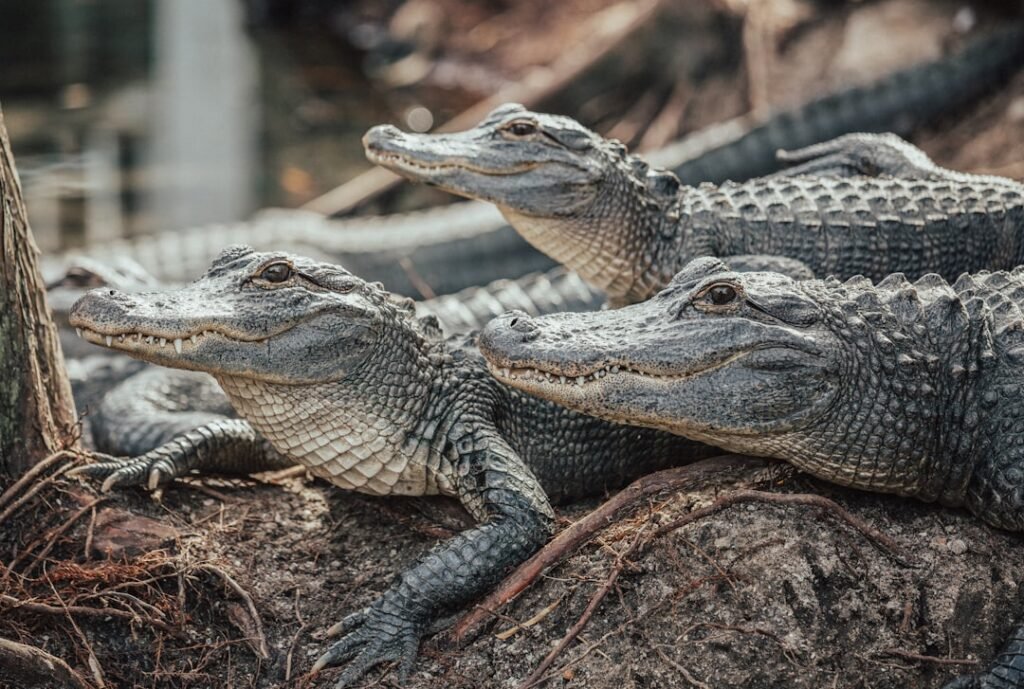
If you keep or work with alligators in captivity, you’ve probably noticed that digestive issues, skin irregularities, and immune-related problems pop up far more often than they do in wild populations. The reason often traces back to something invisible to the naked eye: the microbiome. The trillions of bacteria, fungi, and other microorganisms living in and on your alligator play a massive role in digestion, immunity, and overall vitality. Understanding how natural versus artificial environments shape that microbial community is one of the most practical things you can do to improve your animal’s long-term health.
What Exactly Is the Alligator Microbiome?
The microbiome refers to the entire community of microorganisms that colonize an animal’s body, particularly the gastrointestinal tract, skin, and oral cavity. In alligators, the gut microbiome is especially important. These reptiles rely on a potent combination of highly acidic stomach environments and specialized bacterial populations to break down whole prey items, including bones, hide, and feathers. The microbiome assists with nutrient extraction, vitamin synthesis, pathogen resistance, and even regulation of inflammatory responses.
Wild alligators develop their microbiomes through constant interaction with diverse environments. From the moment a hatchling emerges from the nest, it’s exposed to soil bacteria, water microorganisms, prey-associated microbes, and the rich microbial communities found in wetland sediments. This exposure builds a robust, diverse internal ecosystem that supports the animal through seasonal changes, varied diets, and environmental stressors.
How Natural Habitats Build a Healthy Microbiome
In the wild, alligators benefit from a few key factors that directly support microbial diversity and balance:
Worried About Your Reptile's Health?
Upload a photo and get instant AI health analysis. Catch problems before they become expensive vet bills.
Get Free Health Check →- Dietary variety: Wild alligators eat fish, birds, mammals, turtles, invertebrates, and even fruit on occasion. Each prey type introduces different microbial communities into the gut, promoting diversity.
- Environmental exposure: Swamp water, mud, decaying vegetation, and soil all contain vast microbial populations. Alligators constantly ingest and contact these microbes, seeding their gut and skin with beneficial organisms.
- Seasonal cycling: Temperature fluctuations drive natural periods of fasting and feeding. During brumation or cooler months, the gut microbiome shifts composition, which appears to help reset and regulate bacterial populations.
- Social interaction: Sharing basking sites, waterways, and nesting areas with other alligators and wildlife creates opportunities for horizontal microbial transfer, further enriching diversity.
Research on wild crocodilians has shown that their gut communities are dominated by beneficial phyla like Fusobacteria, Firmicutes, and Bacteroidetes, with relatively low levels of potentially pathogenic organisms. This balanced profile supports efficient digestion and strong immune function.
What Changes in Artificial Environments
When alligators are moved into captive settings, whether farms, zoos, or private facilities, several of those natural microbiome-building factors are reduced or eliminated entirely. Here’s what typically shifts:
- Simplified diets: Most captive alligators are fed a narrow rotation of commercially available proteins like chicken, fish, or processed reptile diets. This lack of variety starves certain bacterial populations and allows others to dominate.
- Sanitized water systems: Filtered and chemically treated water removes many of the environmental microbes that wild alligators encounter daily. While clean water prevents disease outbreaks, it also strips away beneficial organisms.
- Stable temperatures: Climate-controlled enclosures eliminate the seasonal temperature swings that naturally modulate microbiome composition. Without brumation cycles, the gut community may never undergo its natural reset.
- Antibiotic exposure: Captive alligators are more likely to receive antibiotics for infections or as preventive measures, which can devastate beneficial gut bacteria and open the door for opportunistic pathogens.
- Reduced substrate complexity: Concrete floors, rubber mats, and artificial pools lack the microbial richness of natural mud, soil, and vegetation.
Studies comparing captive and wild crocodilians have found that captive animals tend to have significantly lower microbial diversity in their guts. There’s often an overgrowth of Proteobacteria, a phylum that includes many opportunistic pathogens, and a reduction in the beneficial Fusobacteria that dominate healthy wild guts. This imbalance, sometimes called dysbiosis, is linked to poor feed conversion, chronic inflammation, skin lesions, and increased susceptibility to infections.
Recognizing Microbiome-Related Health Issues
How do you know if your captive alligator’s microbiome might be out of balance? Watch for these common signs:
Never Miss Early Warning Signs
AI photo analysis catches subtle health issues humans miss 80% of the time. Early detection = healthier reptile + lower vet bills.
Start Free Trial →- Chronic loose or foul-smelling stools: While alligator feces are never pleasant, a persistent change in consistency or an unusually strong odor can indicate bacterial imbalance.
- Undigested food in feces: Bones and some hard materials are normal, but soft tissue remnants suggest the gut isn’t processing food efficiently.
- Recurring skin infections: The skin microbiome is closely linked to the gut. Frequent bacterial or fungal skin issues may reflect internal dysbiosis.
- Poor growth rates: Juveniles that aren’t hitting expected growth benchmarks despite adequate feeding may be suffering from poor nutrient absorption tied to gut health.
- Frequent illness or slow recovery: An alligator that seems to catch every infection going around or takes longer than expected to bounce back likely has compromised immune function rooted in microbiome disruption.
Practical Steps to Support a Healthy Captive Microbiome
The good news is that you can take concrete steps to bridge the gap between artificial and natural microbiome conditions. You won’t perfectly replicate the wild, but you can get meaningfully closer.
Diversify the Diet
This is the single most impactful change you can make. Rotate between whole fish, rodents, poultry, and when possible, offer prey items that include gut contents, skin, and bone. Whole prey introduces the prey animal’s own microbiome into your alligator’s system, mimicking natural feeding. If you can source quail, rabbit, or other varied proteins, even better. Some keepers also offer small amounts of fruit or vegetation, which wild alligators do consume occasionally.
Introduce Natural Substrates
Adding natural soil, leaf litter, or untreated mud to portions of the enclosure gives your alligator contact with environmental microbes. Even a designated “naturalistic zone” with organic substrate can make a difference. Make sure any soil or plant material is free of pesticides and sourced from clean areas.
Rethink Water Management
You don’t want filthy water, but you also don’t want a sterile pool. Consider using biofilters that maintain water quality through beneficial bacterial colonies rather than relying solely on chemical treatments. Some facilities have had success incorporating live aquatic plants, which harbor their own microbial communities and help create a more natural water ecosystem.
Join thousands of successful reptile owners
Try ReptileCoach Free →Allow Seasonal Temperature Variation
If your setup allows it, mimicking natural seasonal temperature drops can encourage the microbiome to cycle through its natural shifts. Even modest cooling periods during winter months can trigger beneficial changes in gut bacterial composition. Consult with a reptile veterinarian to determine safe temperature ranges for your specific animals.
Use Antibiotics Judiciously
Work closely with a veterinarian experienced in crocodilian medicine and reserve antibiotics for confirmed infections rather than using them preventively. When antibiotics are necessary, consider following treatment with probiotic support. While commercial reptile probiotics are still an emerging field, some keepers have reported positive results using multi-strain formulations designed for reptiles.
Consider Fecal Microbiome Testing
Veterinary labs now offer microbiome profiling through fecal samples. Periodic testing can give you a snapshot of your alligator’s gut community and help you track whether your husbandry changes are moving things in the right direction. It’s not cheap, but for valuable breeding animals or animals with chronic health issues, it can be incredibly informative.
The Future of Microbiome-Informed Alligator Care
Research into reptile microbiomes is still in its early stages compared to mammalian studies, but it’s accelerating. Scientists are beginning to identify specific bacterial strains that are critical for crocodilian health, which could eventually lead to targeted probiotic supplements designed specifically for alligators. Some facilities are experimenting with fecal transplants from healthy wild-caught animals to captive individuals with chronic dysbiosis, with promising early results.
"This app saved my bearded dragon's life. The AI caught early MBD in photos I thought looked completely normal. Worth every penny!"
— Sarah K., ReptileCoach User
Get Your Free 7-Day Trial →As our understanding deepens, microbiome management will likely become a standard part of captive alligator husbandry, right alongside temperature control, water quality, and nutrition planning.
Bringing It All Together
Your alligator’s microbiome is a living ecosystem that directly shapes its digestion, immunity, and resilience. Artificial habitats, by their very nature, reduce the microbial diversity that wild environments provide so effortlessly. But by diversifying diets, incorporating natural substrates, rethinking water treatment, allowing seasonal variation, and being thoughtful about antibiotic use, you can meaningfully support a healthier microbial community in your captive animals. The invisible world inside your alligator matters just as much as the visible one you build around it, and paying attention to both is the mark of truly excellent care.
Ready to Give Your Reptile the Best Care?
Stop guessing and start knowing. Get personalized AI-powered care guidance, photo health analysis, and 24/7 expert advice for YOUR specific reptile.
Get Personalized Care Guidance
AI-powered photo analysis and daily care tracking for YOUR reptile
Try Free for 7 Days →