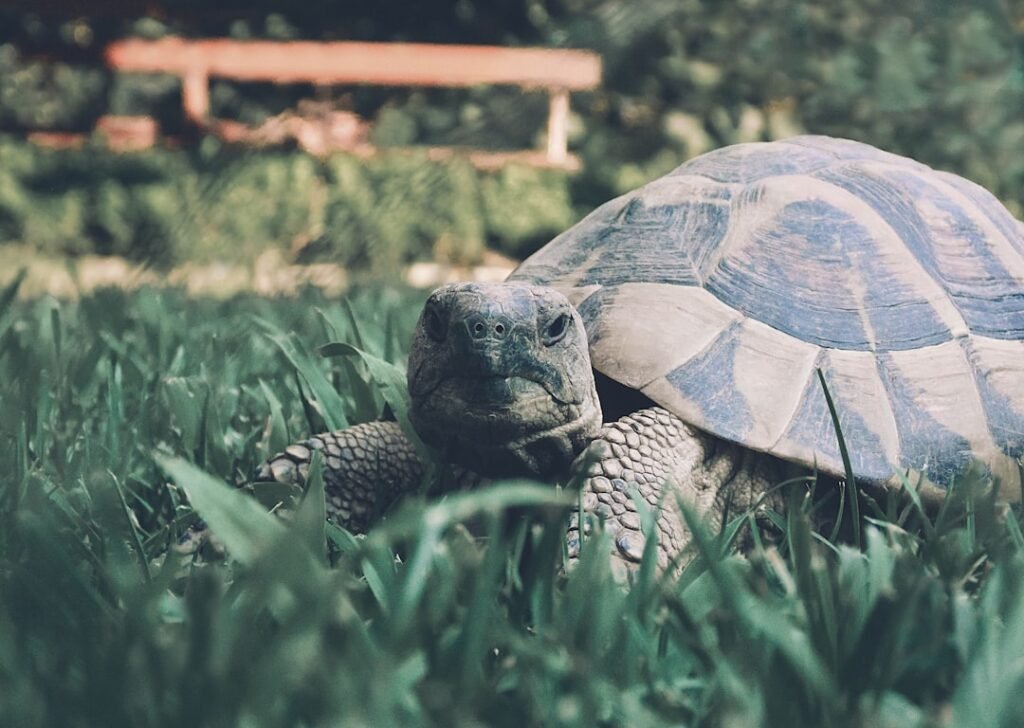
Your redfoot tortoise relies on its eyesight more than you might think. From finding food to navigating its enclosure, healthy vision plays a central role in your tortoise’s daily life and overall well-being. Unfortunately, eye problems are among the more common health issues seen in captive redfoot tortoises, and many of them are entirely preventable. Whether you’re a new redfoot owner or a seasoned keeper looking to fine-tune your husbandry, understanding how to protect your tortoise’s eyesight is an essential part of responsible care. Let’s walk through everything you need to know to keep those little eyes bright and healthy.
Understanding Redfoot Tortoise Vision
Before diving into protection strategies, it helps to understand how redfoot tortoises actually see the world. Like most reptiles, redfoot tortoises have well-developed color vision. They can see a broader spectrum of color than humans, including into the ultraviolet range. This means that lighting choices in their enclosure don’t just affect warmth and metabolism — they directly influence how your tortoise perceives its environment and food.
Redfoot tortoises have eyes positioned on the sides of their heads, giving them a wide field of view that helps them detect movement and potential threats. However, their depth perception is more limited compared to animals with forward-facing eyes. In captivity, this means that obstacles, sharp edges, and poorly arranged décor can pose real risks to their eyes if they bump into things while exploring.
The Role of Proper Lighting in Eye Health
Lighting is arguably the single most important factor when it comes to protecting your redfoot tortoise’s eyesight. Getting it wrong can lead to chronic irritation, swelling, and long-term damage.
Worried About Your Reptile's Health?
Upload a photo and get instant AI health analysis. Catch problems before they become expensive vet bills.
Get Free Health Check →UVB Lighting Done Right
Redfoot tortoises need UVB light to synthesize vitamin D3, which is critical for calcium metabolism. But not all UVB bulbs are created equal, and some can actually harm your tortoise’s eyes. Here are the key considerations:
- Choose the right UVB percentage. For redfoot tortoises, a 5% to 7% UVB output is generally appropriate. They are a forest-dwelling species and don’t require the intense UVB levels that desert species like sulcatas need. Using a bulb that’s too strong can cause photokeratoconjunctivitis, essentially a sunburn on the eyes.
- Use linear fluorescent or mercury vapor bulbs from reputable brands. Compact coil UVB bulbs have been associated with eye problems in reptiles, particularly older models. While newer versions have improved, many experienced keepers still prefer linear tube-style bulbs or quality mercury vapor bulbs for more even, natural UVB distribution.
- Maintain proper distance. Follow the manufacturer’s recommendations for mounting distance. A UVB bulb placed too close to your tortoise’s basking spot can deliver dangerously concentrated UV radiation to the eyes and skin.
- Replace bulbs on schedule. UVB output degrades over time, even if the bulb still produces visible light. Most UVB bulbs should be replaced every six to twelve months depending on the type. A UV meter is a worthwhile investment to monitor actual output.
Avoid Harsh or Unnatural Light Sources
Bright white LEDs and colored heat lamps, especially red and blue night bulbs, can cause significant eye stress in redfoot tortoises. Red night bulbs in particular have been widely criticized in the reptile-keeping community for disrupting sleep cycles and irritating sensitive reptile eyes. If you need nighttime heat, opt for a ceramic heat emitter that produces warmth without any visible light.
Humidity and Its Impact on Eye Health
Redfoot tortoises are native to humid tropical and subtropical forests in South America. They thrive in environments with humidity levels between 70% and 80%. When humidity drops too low in captivity, it doesn’t just affect their shell and skin — it can dry out and irritate their eyes as well.
Chronically low humidity can lead to sunken eyes, frequent blinking, and increased susceptibility to eye infections. To maintain proper humidity levels:
Never Miss Early Warning Signs
AI photo analysis catches subtle health issues humans miss 80% of the time. Early detection = healthier reptile + lower vet bills.
Start Free Trial →- Use a substrate that holds moisture well, such as coconut coir, cypress mulch, or a mix of organic topsoil and sphagnum moss.
- Mist the enclosure daily or use an automatic misting system.
- Provide a large, shallow water dish that your tortoise can soak in. Regular soaking helps keep the eyes hydrated and flushes away debris.
- Monitor humidity with a reliable digital hygrometer placed at tortoise level, not at the top of the enclosure where readings can be misleading.
Diet and Nutrition for Healthy Eyes
What your redfoot tortoise eats has a direct effect on its eye health. Nutritional deficiencies are one of the leading causes of eye problems in captive tortoises, and vitamin A deficiency is the biggest culprit.
Vitamin A Is Essential
Hypovitaminosis A, or vitamin A deficiency, is a well-documented condition in captive chelonians. It causes the cells lining the eyes and eyelids to change, leading to swollen eyelids, discharge, and difficulty opening the eyes. In severe cases, secondary bacterial infections can develop and threaten your tortoise’s vision permanently.
To ensure adequate vitamin A intake, include these foods regularly in your redfoot’s diet:
- Dark leafy greens: dandelion greens, turnip greens, mustard greens, and collard greens are all excellent sources of beta-carotene, which the body converts to vitamin A.
- Orange and red vegetables: butternut squash, carrots (grated in small amounts), sweet potato, and red bell pepper provide additional beta-carotene.
- Tropical fruits: mango, papaya, and cantaloupe can be offered as occasional treats. Redfoot tortoises are more frugivorous than many other tortoise species, so moderate fruit is appropriate and beneficial.
Balanced Overall Nutrition
Beyond vitamin A, a well-rounded diet supports the immune system and helps your tortoise fight off infections that could affect the eyes. Redfoot tortoises are omnivores, so they benefit from occasional animal protein such as earthworms, snails, or a small amount of moistened low-fat cat food. A varied diet that mimics their natural foraging keeps all body systems, including their eyes, functioning at their best.
Join thousands of successful reptile owners
Try ReptileCoach Free →Substrate and Enclosure Safety
The physical environment inside your tortoise’s enclosure can pose direct risks to eye health if not set up thoughtfully.
- Avoid dusty substrates. Sand, dry soil, and dusty wood shavings can get into your tortoise’s eyes and cause irritation or scratches on the cornea. Stick with moist, low-dust substrates that align with the humidity needs of the species.
- Remove sharp objects. Inspect the enclosure for any sharp edges on rocks, wood, or decorations. Redfoot tortoises are curious and will push their faces into tight spaces. A jagged piece of wood or a broken ceramic dish can easily scratch an eye.
- Keep the enclosure clean. Bacteria thrive in dirty, damp environments. Spot-clean waste daily and do a thorough substrate change regularly to reduce the risk of bacterial eye infections.
- Ensure adequate space. Overcrowded enclosures increase the chance of tortoises bumping into each other and into objects. A single adult redfoot should have a minimum of eight by four feet of floor space, and more is always better.
Recognizing Early Signs of Eye Problems
Even with the best husbandry, eye issues can still arise. Catching problems early makes treatment far more effective and can prevent permanent damage. Watch for these warning signs:
- Swollen or puffy eyelids — often the first sign of vitamin A deficiency or infection.
- Discharge or crustiness — clear discharge may indicate irritation, while yellow or green discharge suggests a bacterial infection.
- Frequent rubbing — if your tortoise is rubbing its eyes against its foreleg or on objects, something is bothering it.
- Keeping one or both eyes closed — a tortoise that won’t open its eyes is in discomfort and needs attention.
- Loss of appetite or reduced activity — since tortoises rely on vision to find food, eye problems often lead to decreased eating.
If you notice any of these signs, start with a warm water soak to gently clean the eye area. Do not attempt to apply human eye drops or medications without veterinary guidance. A reptile-experienced veterinarian should evaluate persistent or worsening symptoms promptly.
When to See a Reptile Veterinarian
Some eye issues can be resolved with husbandry corrections, but others require professional treatment. Seek veterinary care if:
"This app saved my bearded dragon's life. The AI caught early MBD in photos I thought looked completely normal. Worth every penny!"
— Sarah K., ReptileCoach User
Get Your Free 7-Day Trial →- Swelling or discharge persists for more than two to three days despite improving humidity and diet.
- Your tortoise cannot open one or both eyes at all.
- You notice any cloudiness, discoloration, or visible damage to the eye itself.
- Your tortoise stops eating entirely, which can quickly become dangerous for its overall health.
A reptile vet can perform a thorough examination, prescribe appropriate antibiotic eye drops or vitamin A injections if needed, and help you identify the underlying cause so you can prevent recurrence.
Keeping Those Eyes Bright for Years to Come
Protecting your redfoot tortoise’s eyesight comes down to getting the fundamentals right: appropriate UVB lighting at the correct intensity and distance, consistent tropical humidity levels, a nutrient-rich diet with plenty of vitamin A, and a clean, safe enclosure free of dust and sharp hazards. These aren’t complicated changes, but they make a tremendous difference in your tortoise’s quality of life. Redfoot tortoises can live for fifty years or more in captivity, and with attentive care, there’s every reason to expect your shelled companion to enjoy clear, healthy vision throughout that long and wonderful life. Stay observant, keep learning, and don’t hesitate to consult a reptile vet when something doesn’t look right. Your tortoise’s eyes will thank you for it.
Ready to Give Your Reptile the Best Care?
Stop guessing and start knowing. Get personalized AI-powered care guidance, photo health analysis, and 24/7 expert advice for YOUR specific reptile.
Get Personalized Care Guidance
AI-powered photo analysis and daily care tracking for YOUR reptile
Try Free for 7 Days →