If you’ve ever reached into your blue tongue skink’s enclosure only to be met with a dramatic hiss, a puffed-up body, or even a surprising nip, you’re not alone. Male blue tongue skinks can display a range of aggressive behaviors that catch even experienced keepers off guard. The good news is that most aggression in these otherwise docile lizards is manageable once you understand what’s driving it. Whether you’re dealing with a newly adopted skink or a long-time companion going through a moody phase, this guide will walk you through practical, real-world strategies to keep things calm and safe for both you and your scaly friend.
Understanding Why Male Blue Tongue Skinks Become Aggressive
Before you can fix a problem, you need to understand it. Male blue tongue skink aggression rarely comes out of nowhere. It’s almost always a response to something in their environment, health, or natural biological cycle. Recognizing the root cause is the single most important step toward a solution.
Territorial Instincts
Male blue tongue skinks are naturally territorial. In the wild, males defend home ranges from rival males, and this instinct doesn’t disappear in captivity. If your skink can see, smell, or sense another skink nearby, territorial aggression can spike dramatically. Even a reflection in the glass of the enclosure can sometimes trigger defensive posturing.
Breeding Season Hormones
During breeding season, which typically runs from late winter through spring depending on the species, male blue tongue skinks experience a surge in hormones. This can make an otherwise gentle skink suddenly irritable, restless, and prone to biting. Think of it as their version of being in a bad mood for a few weeks. This is completely normal and usually passes on its own.
Worried About Your Reptile's Health?
Upload a photo and get instant AI health analysis. Catch problems before they become expensive vet bills.
Get Free Health Check →Stress and Husbandry Issues
Aggression is often a symptom of stress. Incorrect temperatures, inadequate humidity, a too-small enclosure, lack of hiding spots, or excessive handling can all push a skink into defensive mode. A stressed skink isn’t an aggressive skink by nature — it’s a skink telling you something is wrong.
Pain or Illness
A skink that suddenly becomes aggressive after a period of being calm may be dealing with an underlying health issue. Mouth rot, metabolic bone disease, internal parasites, or injuries can all cause pain that makes a skink lash out when touched. If the behavioral change is sudden and unexplained, a vet visit should be your first move.
Recognizing the Warning Signs
Blue tongue skinks are actually pretty good communicators if you know what to look for. Learning their body language helps you avoid escalating a situation and gives you a chance to back off before anyone gets hurt.
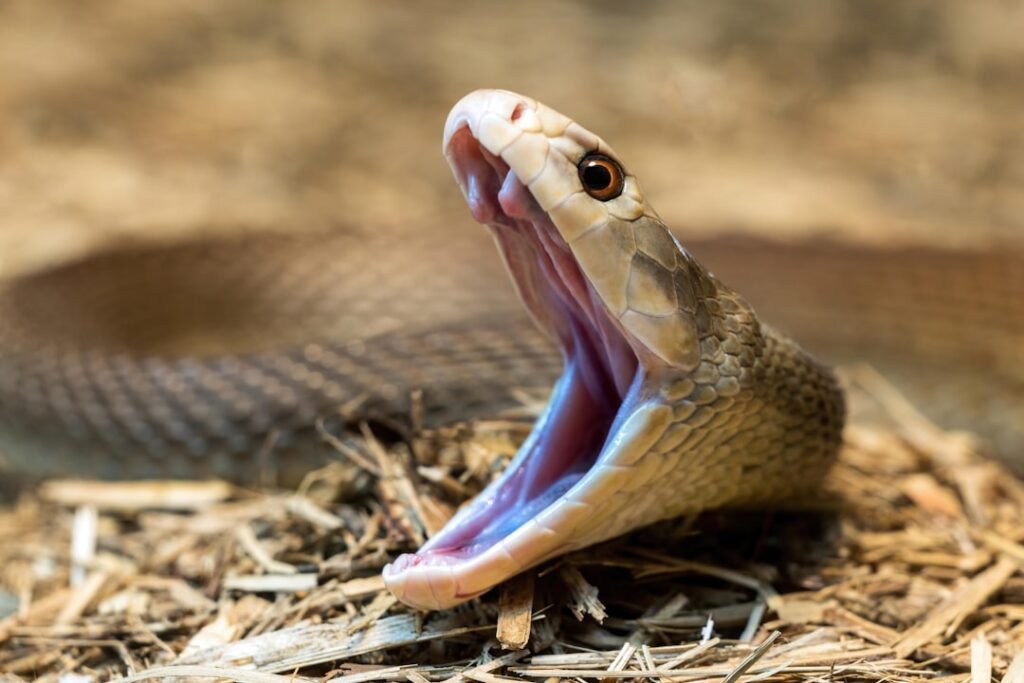
- Blue tongue display: The classic open mouth with the bright blue tongue on full display is a clear warning. It’s meant to startle predators, and it should tell you to give your skink some space.
- Hissing: A loud, sustained hiss is the skink equivalent of saying “back off.” It’s a defensive behavior, not an attack, but it means your skink is feeling threatened.
- Body puffing: When a skink inflates its body to look larger, it’s trying to appear intimidating. This is a sign of fear or territorial defense.
- Lunging or snapping: This is the final warning before a bite. If your skink is lunging toward your hand, it’s time to stop what you’re doing and reassess your approach.
- Tail whipping: Some males will thrash their tails when agitated. While less common than other displays, it’s still a clear sign of discomfort.
Housing Strategies to Reduce Aggression
Your skink’s enclosure setup plays a huge role in its overall temperament. A well-designed habitat reduces stress, which in turn reduces aggressive behavior. Here are the key factors to get right.
Never Miss Early Warning Signs
AI photo analysis catches subtle health issues humans miss 80% of the time. Early detection = healthier reptile + lower vet bills.
Start Free Trial →Enclosure Size Matters
An adult blue tongue skink needs a minimum of a 4x2x2-foot enclosure. Males that feel cramped are far more likely to display territorial aggression. A larger enclosure gives them room to thermoregulate, explore, and feel secure. If you’re dealing with aggression and your skink is in anything smaller, upgrading the enclosure should be your first priority.
Provide Multiple Hides
Every blue tongue skink enclosure should have at least two hides — one on the warm side and one on the cool side. Skinks that can retreat to a secure hiding spot when they feel stressed are significantly less likely to resort to aggressive behavior. Cork bark, half logs, and commercial reptile hides all work well.
Never House Males Together
This cannot be stressed enough. Two male blue tongue skinks should never share an enclosure. Males will fight, sometimes to the point of serious injury or death. Even housing males in separate enclosures within the same room can cause stress if they can detect each other’s scent. If you keep multiple males, consider housing them in separate rooms or using visual barriers between enclosures.
Minimize Visual Stimulation
If your skink’s enclosure is in a high-traffic area, near other reptile enclosures, or positioned where it catches reflections, consider relocating it. Covering the sides of the enclosure with a background or placing it against a wall can reduce visual triggers that contribute to territorial behavior.
Join thousands of successful reptile owners
Try ReptileCoach Free →Handling Techniques for Aggressive Males
Handling an aggressive blue tongue skink requires patience, consistency, and a calm demeanor. Rushing the process almost always makes things worse. Here’s a step-by-step approach that works for most keepers.
- Start with presence, not touch. Spend time near the enclosure without reaching in. Let your skink get used to your presence, your scent, and the sound of your voice. Do this for several days before attempting to handle.
- Use the hand-in-enclosure method. Place your hand inside the enclosure without moving toward the skink. Rest it on the substrate and let the skink investigate on its own terms. Do this for five to ten minutes at a time, once or twice a day.
- Offer food from your hand. Once your skink tolerates your hand being nearby, try offering a favorite treat like a piece of banana or a snail from your fingers or from tongs held close to your hand. This builds a positive association between your presence and something rewarding.
- Scoop, don’t grab. When you’re ready to pick up your skink, slide your hand under its body from the side rather than reaching down from above. Approaching from above mimics a predator and triggers a defensive response. Support the full body and legs so the skink feels secure.
- Keep sessions short. Start with handling sessions of just two to three minutes and gradually increase the duration as your skink becomes more comfortable. End each session on a positive note, ideally before the skink shows signs of stress.
What to Do If You Get Bitten
Blue tongue skink bites can be surprisingly strong, but they rarely cause serious injury. If you get bitten, resist the urge to yank your hand away, as this can injure the skink’s jaw and make the bite wound worse. Stay calm, and the skink will usually release on its own within a few seconds. Gently running lukewarm water over the skink’s mouth can also encourage it to let go. Clean the wound with soap and water afterward. Most importantly, don’t punish the skink or avoid handling it entirely. One bite doesn’t mean the relationship is ruined — it just means you need to slow down.
Seasonal Aggression and How to Ride It Out
If your male blue tongue skink becomes aggressive every year around the same time, breeding season hormones are almost certainly the cause. This is natural and temporary, but there are things you can do to make the period easier for both of you.
- Reduce handling frequency. During peak hormonal periods, cut back on handling sessions. Your skink isn’t rejecting you — it’s just biologically wired to be on edge right now.
- Maintain consistent husbandry. Keep temperatures, humidity, and feeding schedules stable. Consistency reduces additional stress during an already stressful time.
- Avoid introducing new stimuli. This isn’t the time to rearrange the enclosure, introduce new scents, or make major changes to the skink’s environment.
- Be patient. Breeding season aggression typically lasts a few weeks to a couple of months. Once hormone levels drop, your skink’s normal temperament will return.
When to Seek Professional Help
Most blue tongue skink aggression can be managed at home with the strategies above. However, there are situations where professional help is the right call.
"This app saved my bearded dragon's life. The AI caught early MBD in photos I thought looked completely normal. Worth every penny!"
— Sarah K., ReptileCoach User
Get Your Free 7-Day Trial →- If aggression is sudden, severe, and accompanied by other symptoms like lethargy, loss of appetite, or swelling, see a reptile veterinarian as soon as possible.
- If you’ve tried consistent taming techniques for several months with no improvement, consult an experienced reptile keeper or herpetological society for personalized advice.
- If your skink was wild-caught or has an unknown history, a vet check can rule out parasites or other health issues that may be contributing to defensive behavior.
Keeping the Peace for the Long Haul
Managing male blue tongue skink aggression isn’t about dominating your pet or forcing it to comply. It’s about creating an environment where your skink feels safe, healthy, and secure enough that it doesn’t need to be defensive. The vast majority of aggressive blue tongue skinks are simply stressed, hormonal, or reacting to something in their environment that can be fixed. By providing a properly sized enclosure with adequate hides, handling with patience and consistency, respecting seasonal hormonal shifts, and staying alert to health issues, you’ll find that even the grumpiest male blue tongue skink can become a calm and trusting companion. It takes time, but the payoff — a relaxed skink that actually enjoys coming out for a handling session — is absolutely worth the effort.
Ready to Give Your Reptile the Best Care?
Stop guessing and start knowing. Get personalized AI-powered care guidance, photo health analysis, and 24/7 expert advice for YOUR specific reptile.
Get Personalized Care Guidance
AI-powered photo analysis and daily care tracking for YOUR reptile
Try Free for 7 Days →