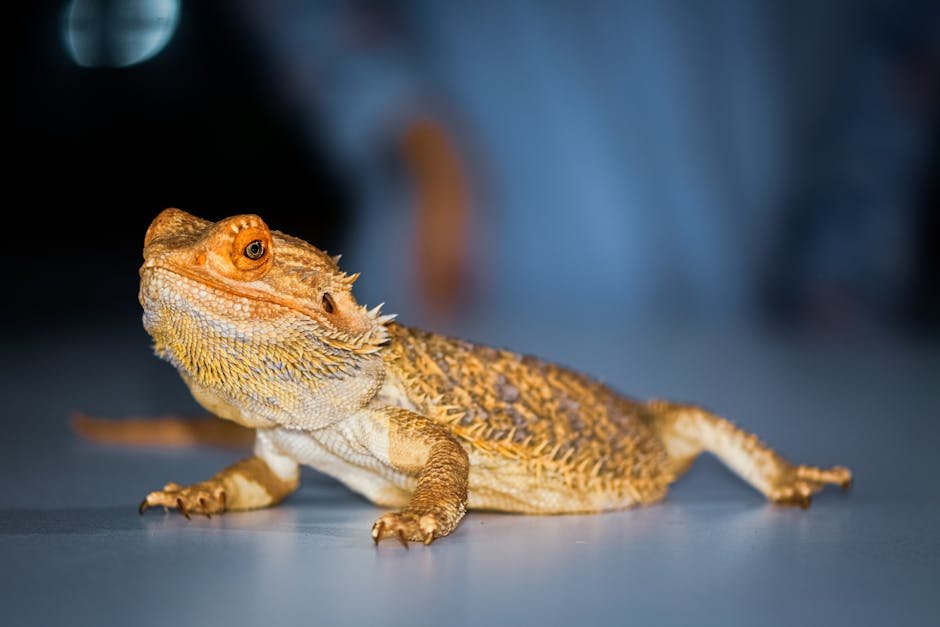
One of the most common reasons bearded dragons end up at the reptile vet is directly tied to diet — and the heartbreaking truth is that nearly all of these visits are preventable. Feeding a bearded dragon isn’t as simple as tossing crickets and lettuce into the enclosure and calling it a day. Your beardie’s nutritional needs change dramatically as they grow, and what’s perfectly healthy for a baby dragon can actually harm an adult, and vice versa. Understanding the critical errors owners make with bearded dragon diet and feeding schedules at each life stage can mean the difference between a thriving, vibrant dragon and one suffering from metabolic bone disease, obesity, or chronic malnutrition.
The Biggest Misconception: One Diet Fits All Ages
The single most damaging mistake bearded dragon owners make is feeding the same diet regardless of their dragon’s age. Bearded dragons go through distinct life stages — baby (0–4 months), juvenile (4–12 months), sub-adult (12–18 months), and adult (18+ months) — and each stage demands a vastly different ratio of protein to vegetables. Here’s what many owners get wrong:
- Baby bearded dragons (0–4 months) need approximately 80% insects and 20% vegetables. These tiny dragons are growing at an explosive rate, sometimes doubling in size within weeks. They need enormous amounts of protein to fuel that growth.
- Juvenile bearded dragons (4–12 months) should gradually shift to roughly 60–70% insects and 30–40% vegetables. This is the transition period many owners completely ignore.
- Sub-adult bearded dragons (12–18 months) should be eating closer to 50% insects and 50% vegetables as their growth rate slows significantly.
- Adult bearded dragons (18+ months) need the complete opposite of a baby’s diet: 20–30% insects and 70–80% vegetables. This is where obesity becomes a serious risk if owners keep pushing protein.
Failing to adjust these ratios is arguably the number one dietary error in bearded dragon care. An adult dragon eating like a baby will become obese and develop fatty liver disease. A baby eating like an adult will be protein-starved and suffer stunted growth and weakened bones.
Feeding Schedule Mistakes That Stunt Growth in Baby Beardies
Baby bearded dragons are eating machines, and they need to be. During the first four months of life, your beardie should be offered insects three to five times per day, with each feeding session lasting about 10–15 minutes. The general rule is to let them eat as many appropriately sized insects as they can consume within that window. “Appropriately sized” means the insect should be no larger than the space between your dragon’s eyes — this is a safety rule, not a suggestion. Feeding insects that are too large can cause impaction or even partial paralysis from spinal pressure.
Worried About Your Reptile's Health?
Upload a photo and get instant AI health analysis. Catch problems before they become expensive vet bills.
Get Free Health Check →Here’s where owners go critically wrong with baby bearded dragons:
- Only feeding once or twice a day. Baby beardies have incredibly fast metabolisms. Two feedings simply aren’t enough to support their rapid growth. If you can’t manage five sessions, aim for a minimum of three.
- Not offering greens early enough. Even though babies are primarily insectivores, you should have a small dish of finely chopped greens available at all times. This gets them accustomed to vegetables early. Many owners skip this entirely and then wonder why their adult dragon refuses salads.
- Using mealworms as a staple. Mealworms have a tough chitin shell that baby beardies struggle to digest. Stick with small dubia roaches, black soldier fly larvae (nutrigrubs), and appropriately sized crickets for babies.
- Skipping calcium supplementation. Every insect feeding for a baby should include insects dusted with calcium powder without D3 (assuming proper UVB lighting is provided). Calcium with D3 should be used 2–3 times per week. Missing this leads to metabolic bone disease, which is tragically common and entirely preventable.
Juvenile Feeding Errors: The Forgotten Transition Period
The juvenile stage from 4 to 12 months is where many owners lose their way. Your dragon is still growing but not as frantically as before. Insect feedings should drop to two to three times per day, and you should begin actively encouraging vegetable consumption. This is the critical window where eating habits are formed.
Common mistakes during the juvenile stage include:
- Not gradually increasing vegetable portions. You can’t flip a switch at 18 months and expect your beardie to suddenly love greens. The transition needs to happen slowly during the juvenile phase. Start mixing finely chopped collard greens, mustard greens, butternut squash, and bell peppers into their daily offerings.
- Over-relying on one insect type. Variety matters. Rotate between dubia roaches, crickets, black soldier fly larvae, silkworms, and occasional hornworms (as treats). Each insect has a different nutritional profile, and variety helps prevent deficiencies.
- Ignoring the calcium-to-phosphorus ratio. Foods with a poor calcium-to-phosphorus ratio (where phosphorus is higher than calcium) actively work against your dragon’s bone health. Phosphorus binds to calcium and prevents absorption. This is why spinach, beet greens, and iceberg lettuce should be avoided or severely limited. Aim for foods with a 2:1 or better calcium-to-phosphorus ratio.
- Feeding at the wrong time of day. Bearded dragons need warmth to digest food properly. The last feeding should occur at least 2–3 hours before lights go off. Feeding too close to lights-out means undigested food sits in a cooling digestive tract, leading to bloating, discomfort, and potential rot.
Adult Diet Disasters: Obesity, Fatty Liver, and Picky Eaters
Once your bearded dragon reaches 18 months, their diet should be predominantly plant-based. This is the stage where the most damaging long-term errors occur because owners either never made the transition or they continue feeding patterns from the baby stage out of habit — or guilt, because their dragon begs for bugs.
Never Miss Early Warning Signs
AI photo analysis catches subtle health issues humans miss 80% of the time. Early detection = healthier reptile + lower vet bills.
Start Free Trial →Adult bearded dragons should eat insects only 2–3 times per week, with each session limited to a reasonable portion (roughly 20–30 appropriately sized insects depending on the species and size). Fresh salad should be offered every single day.
Critical adult feeding errors include:
- Feeding insects daily. This is the fast track to obesity. Adult beardies in captivity don’t burn nearly enough calories to justify daily insect feedings. An overweight bearded dragon develops fat pads behind the eyes, a distended belly, and thick fat deposits along the tail base and limbs. Internally, fatty liver disease (hepatic lipidosis) silently progresses.
- Using nutrient-poor vegetables as staples. Iceberg lettuce and cucumbers are essentially water with minimal nutritional value. Your daily salad base should be collard greens, turnip greens, mustard greens, or endive. Top with rotating additions like shredded butternut squash, grated carrots, blueberries (sparingly), snap peas, and dandelion greens.
- Offering too much fruit. Fruit should make up no more than 5–10% of the total diet. The natural sugars in fruit can cause digestive issues, tooth problems, and contribute to obesity. Berries and melon make great occasional treats but should never be dietary staples.
- Forgetting multivitamin supplementation. Adults still need supplements, just less frequently. A general schedule is calcium without D3 on most salads, calcium with D3 twice a week, and a reptile multivitamin once a week. Over-supplementing is also dangerous — vitamin A toxicity from too much retinol-based multivitamin is a real concern.
Dangerous Foods That Owners Don’t Realize Are Harmful
Beyond scheduling and ratios, there are specific foods that well-meaning owners feed their bearded dragons without realizing the danger:
- Fireflies and lightning bugs: These are extremely toxic to bearded dragons. Even one can be fatal. Never feed wild-caught insects.
- Avocado: Contains persin, which is toxic to bearded dragons and many other reptiles.
- Rhubarb: Contains high levels of oxalic acid, which is dangerous even in small amounts.
- Spinach and Swiss chard: While not immediately toxic, their extremely high oxalate content binds calcium so effectively that regular feeding contributes directly to metabolic bone disease.
- Wild-caught insects: These may carry pesticides, parasites, or be species that are toxic. Always use feeder insects from reputable suppliers.
Hydration Mistakes That Compound Dietary Errors
Diet doesn’t exist in a vacuum — hydration plays a critical supporting role. Many owners don’t realize that bearded dragons get a significant portion of their water intake from their food, particularly from fresh vegetables. A dragon eating a poor vegetable diet is often a dehydrated dragon. Additionally, regular misting of salads and offering baths 2–3 times per week helps maintain hydration. Dehydrated bearded dragons can’t properly digest their food, which compounds every other dietary error on this list. Signs of dehydration include sunken eyes, wrinkled skin that doesn’t spring back when gently pinched, and lethargy.
Join thousands of successful reptile owners
Try ReptileCoach Free →Getting Your Bearded Dragon’s Diet Back on Track
If you’ve recognized some of your own habits in this article, don’t panic — the good news is that dietary corrections can make a dramatic difference relatively quickly. Start by identifying your dragon’s current age and adjusting the insect-to-vegetable ratio accordingly. Establish a consistent feeding schedule that respects their life stage, and begin introducing a wider variety of nutritious greens if your dragon has become a picky eater. Transition slowly, mixing new greens with familiar favorites. Review your supplementation routine to make sure calcium and multivitamins are being offered at the right frequency. And above all, remember that a bearded dragon’s dietary needs are a moving target — what worked six months ago may no longer be appropriate today. By staying attentive to these age-specific requirements and avoiding the critical errors outlined above, you’ll set your bearded dragon up for a long, healthy, and vibrant life that can span 10 to 15 years or more.
Ready to Give Your Reptile the Best Care?
Stop guessing and start knowing. Get personalized AI-powered care guidance, photo health analysis, and 24/7 expert advice for YOUR specific reptile.
Get Personalized Care Guidance
AI-powered photo analysis and daily care tracking for YOUR reptile
Try Free for 7 Days →