
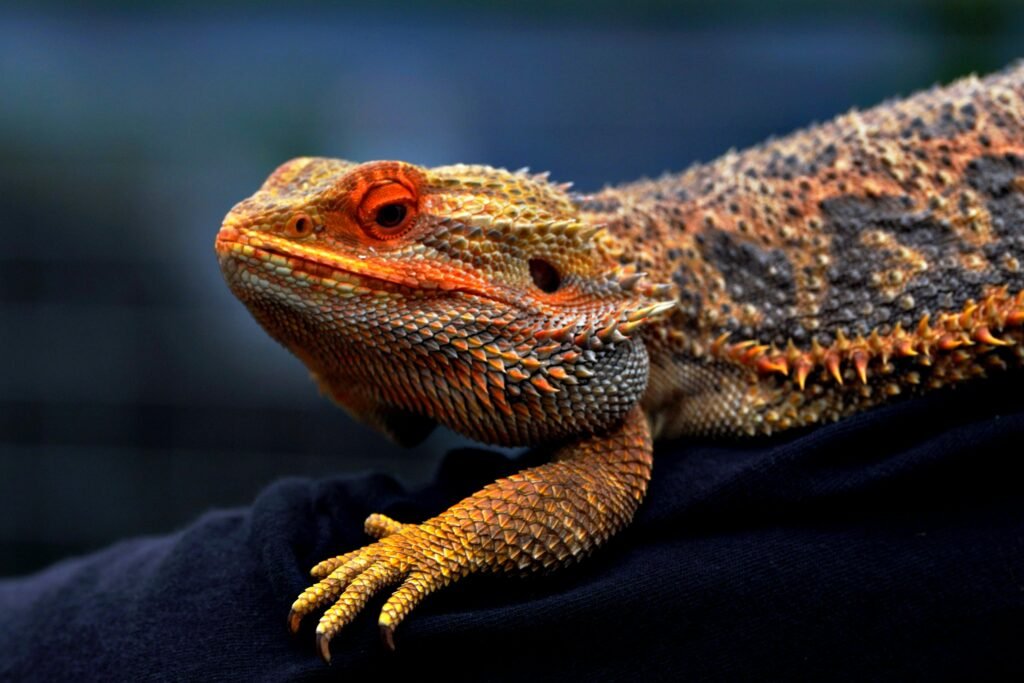
Brumation in bearded dragons can be an anxiety-inducing experience for first-time keepers. Watching your normally active, food-motivated dragon suddenly become lethargic and refuse meals triggers understandable concern. However, brumation is a natural biological process similar to hibernation that many bearded dragons experience, particularly during fall and winter months. The key to safely navigating this period lies in understanding proper preventive health measures and knowing exactly what to monitor. This comprehensive guide will walk you through every critical step to ensure your bearded dragon remains healthy throughout their brumation period.
Understanding Brumation Versus Illness
Before implementing any preventive measures, you must distinguish between natural brumation and potential health issues. Brumation typically occurs when bearded dragons are 12-18 months or older, though some may brumate earlier or not at all. During true brumation, your dragon will gradually decrease activity levels and food intake over several days or weeks. Their eyes remain clear and bright, and they show no signs of distress when awakened. They simply prefer to sleep more and eat less.
Illness, conversely, presents with distinct warning signs. A sick bearded dragon may have sunken eyes, discolored skin, labored breathing, unexplained weight loss, mucus around the mouth or nose, or complete lethargy even when stimulated. If your dragon shows any of these symptoms, skip brumation preparation and seek immediate veterinary care. Never allow a potentially sick bearded dragon to enter brumation, as their condition will deteriorate rapidly without intervention.
Pre-Brumation Veterinary Examination
Schedule a thorough veterinary examination four to six weeks before you expect brumation to begin. This preventive step is absolutely critical and non-negotiable. Your exotic veterinarian should perform a comprehensive physical exam, checking for external parasites, mouth rot, respiratory infections, and proper body condition. Request a fecal examination to screen for internal parasites, as parasitic loads can become dangerous during brumation when the immune system functions at reduced capacity.
Worried About Your Reptile's Health?
Upload a photo and get instant AI health analysis. Catch problems before they become expensive vet bills.
Get Free Health Check →Discuss your dragon’s weight history with your veterinarian. Bearded dragons should enter brumation at a healthy weight with adequate fat reserves. Underweight dragons risk depleting necessary energy stores, while overweight dragons may experience complications. Your vet can calculate your dragon’s body condition score and advise whether brumation is safe or should be prevented this year. If any health issues are detected, complete all treatments and allow your dragon to fully recover before permitting brumation.
Pre-Brumation Feeding Protocol
Two to three weeks before anticipated brumation, adjust your feeding schedule to prevent digestive complications. Continue offering appropriately sized meals, but watch for decreasing appetite—a natural sign that brumation approaches. The critical preventive measure here involves ensuring complete digestion before your dragon enters deep brumation.
During the final week before brumation, as your dragon’s appetite decreases, stop offering protein entirely. Focus solely on easily digestible vegetables and leafy greens. This prevents undigested insects from remaining in the digestive tract, where they can rot and cause serious infections during brumation. Some keepers offer a gentle warm bath during this transition period to encourage a final bowel movement, though this should be done carefully to avoid temperature shock.
Once your bearded dragon stops eating completely and shows clear brumation behaviors, cease all feeding attempts. Do not try to force-feed or tempt them with favorite foods. Their metabolism has slowed dramatically, and their digestive system needs to remain empty during deep brumation.
Never Miss Early Warning Signs
AI photo analysis catches subtle health issues humans miss 80% of the time. Early detection = healthier reptile + lower vet bills.
Start Free Trial →Environmental Adjustments for Safe Brumation
Environmental management plays a crucial role in preventive brumation care. Unlike full hibernation where animals seek completely dark, cold spaces, bearded dragons typically brumate in conditions that are cooler than normal but not frigid. Gradually reduce basking temperatures from their normal 95-105°F to approximately 70-80°F over the course of one to two weeks. Similarly, reduce nighttime temperatures to around 60-70°F.
Maintain the normal light cycle initially, then gradually reduce daylight hours to mimic natural seasonal changes. Many keepers reduce lighting to 8-10 hours daily during brumation. However, do not place your bearded dragon in complete darkness for extended periods. Some ambient light helps maintain their circadian rhythm and allows you to perform regular health checks.
Prepare a suitable brumation hide or shelter within the enclosure. This should be a secure, darkened area where your dragon feels safe to rest undisturbed for extended periods. Some bearded dragons will burrow in substrate, while others prefer enclosed hides. Ensure whatever option you provide allows adequate air circulation and doesn’t create humidity problems that could lead to respiratory infections.
Hydration Monitoring and Management
Dehydration represents one of the most significant health risks during brumation. While your dragon won’t drink as frequently as during active periods, they still require access to water and must maintain adequate hydration levels. This preventive measure requires consistent monitoring and occasional intervention.
Join thousands of successful reptile owners
Try ReptileCoach Free →Keep a shallow water dish in the enclosure at all times, changing it every two to three days even if it appears untouched. Every 10-14 days, offer a lukewarm bath lasting 15-20 minutes. The bath temperature should be comfortable to your touch—approximately 85-90°F. Many dragons will drink during these soaks, and the bath helps prevent dehydration while allowing you to assess their condition closely.
Watch for signs of dehydration during your monitoring checks. Gently pinch the skin on your dragon’s back or side. It should snap back immediately when released. If the skin remains tented or returns slowly, your dragon is dehydrated and requires intervention. Sunken eyes, wrinkled skin, or lethargy when awakened also indicate dehydration. Severely dehydrated dragons need immediate veterinary care and may require subcutaneous fluid administration.
Weight Monitoring Throughout Brumation
Establish a baseline weight before brumation begins and maintain a detailed weight log throughout the entire brumation period. Weigh your bearded dragon every two weeks using a digital kitchen scale accurate to at least 1 gram. Perform these weigh-ins during your routine health checks when the dragon is naturally awake or easily roused.
Expect some weight loss during brumation—this is normal and unavoidable as your dragon metabolizes fat reserves. However, weight loss should occur gradually and remain within safe parameters. A general guideline suggests that weight loss exceeding 10-15% of pre-brumation body weight indicates potential problems. For example, if your dragon weighed 400 grams before brumation, losing more than 40-60 grams should prompt veterinary consultation.
"This app saved my bearded dragon's life. The AI caught early MBD in photos I thought looked completely normal. Worth every penny!"
— Sarah K., ReptileCoach User
Get Your Free 7-Day Trial →Rapid weight loss or weight loss exceeding these percentages suggests your dragon is burning energy too quickly, potentially due to illness, inadequate fat reserves, or environmental issues. Document all weight measurements with dates, and create a simple chart or graph to visualize trends. This data proves invaluable if veterinary intervention becomes necessary.
Regular Health Check Schedule
Despite your dragon’s reduced activity, maintain a consistent monitoring schedule throughout brumation. Every five to seven days, perform a brief health assessment. Gently approach your dragon during their enclosure’s “daytime” hours when they’re more likely to be naturally alert or easily roused.
Check for physical changes or abnormalities: clear eyes without discharge, clean nostrils, closed mouth without mucus, smooth skin without lesions or discoloration, and even breathing without wheezing or clicking sounds. Examine their body condition, noting any dramatic changes in appearance. Check that their vent remains clean without stuck shed or fecal matter.
Assess responsiveness by gently touching or speaking to your dragon. They should show some awareness—eye movement, slight head lift, or minor body adjustment—even if they remain sleepy and disinterested. Complete unresponsiveness or extreme difficulty rousing them warrants immediate veterinary attention. Take brief notes during each check, documenting anything unusual or concerning.
Worried About Your Reptile's Health?
Upload a photo and get instant AI health analysis. Catch problems before they become expensive vet bills.
Get Free Health Check →Recognizing When to Intervene
Understanding when to interrupt brumation and seek veterinary care separates responsible preventive care from dangerous neglect. Certain red flags demand immediate action, regardless of brumation status. Respiratory distress, including open-mouth breathing, wheezing, or mucus discharge, requires emergency intervention. Bearded dragons can develop respiratory infections during brumation, particularly if humidity levels are inappropriate.
Weight loss exceeding safe parameters, as discussed earlier, necessitates veterinary consultation. Similarly, signs of severe dehydration that don’t improve with a lukewarm bath require professional assessment. Any discharge from eyes, nose, or mouth; visible injuries or wounds; unusual swelling; or changes in skin color or texture should prompt immediate action.
If you must interrupt brumation due to health concerns, do so gradually when possible. Increase temperatures slowly over several days and restore normal lighting schedules. However, in true emergencies involving respiratory distress or severe dehydration, prioritize getting veterinary care immediately over gradual environmental adjustments.
Duration Expectations and Natural Emergence
Brumation duration varies significantly between individual bearded dragons. Some brumate for only a few weeks, while others may remain in this state for three to four months. Environmental factors, age, geographic origin of their lineage, and individual variation all influence brumation length. Resist the urge to artificially end brumation because you miss interacting with your dragon or feel concerned about the duration.
Never Miss Early Warning Signs
AI photo analysis catches subtle health issues humans miss 80% of the time. Early detection = healthier reptile + lower vet bills.
Start Free Trial →Your bearded dragon will naturally emerge from brumation when their biological clock signals appropriate timing. You’ll notice increased activity levels, more frequent awakening, and eventually, interest in food. This emergence process typically occurs gradually over one to two weeks. Support natural emergence by slowly returning temperatures to normal ranges and resuming standard lighting schedules.
When your dragon shows consistent activity and begins spending time outside their brumation hide, offer a lukewarm bath followed by small amounts of easily digestible vegetables. Wait until they’re actively seeking food before offering protein. Start with smaller insects than normal and gradually increase meal sizes as their digestive system fully reactivates. Schedule a post-brumation veterinary examination to ensure they’ve emerged healthy and to establish a baseline for the active season ahead.
Special Considerations for Young and Breeding Dragons
Dragons under 12 months should generally not be permitted to brumate. Their rapid growth phase requires consistent nutrition, and brumation can stunt development. If a young dragon shows brumation-like behavior, maintain warm temperatures and continue offering food. Often, they’ll continue eating with proper environmental management. If they refuse food despite appropriate conditions, consult your veterinarian to rule out illness.
For breeding females, pre-brumation health becomes even more critical. Ensure excellent body condition with adequate calcium stores, as egg production post-brumation places tremendous demands on their system. Have your veterinarian palpate for developing follicles or retained eggs before permitting brumation. Never allow a gravid female to brumate, as this can lead to egg binding and life-threatening complications.
Join thousands of successful reptile owners
Try ReptileCoach Free →Conclusion: Prevention Through Preparation
Successfully managing bearded dragon brumation relies on thorough preparation, consistent monitoring, and knowing when to intervene. By implementing these preventive health measures—pre-brumation veterinary exams, proper feeding protocols, appropriate environmental adjustments, regular weight monitoring, and scheduled health checks—you dramatically reduce risks associated with this natural process. Remember that every bearded dragon is an individual; some will brumate predictably each year, while others may never brumate at all. Trust your observations, maintain detailed records, and never hesitate to seek veterinary guidance when something seems wrong. With proper preventive care, your bearded dragon can safely navigate brumation and emerge healthy, ready to resume their active, engaging personality that makes them such rewarding companions.
Ready to Give Your Reptile the Best Care?
Stop guessing and start knowing. Get personalized AI-powered care guidance, photo health analysis, and 24/7 expert advice for YOUR specific reptile.
Get Personalized Care Guidance
AI-powered photo analysis and daily care tracking for YOUR reptile
Try Free for 7 Days →