
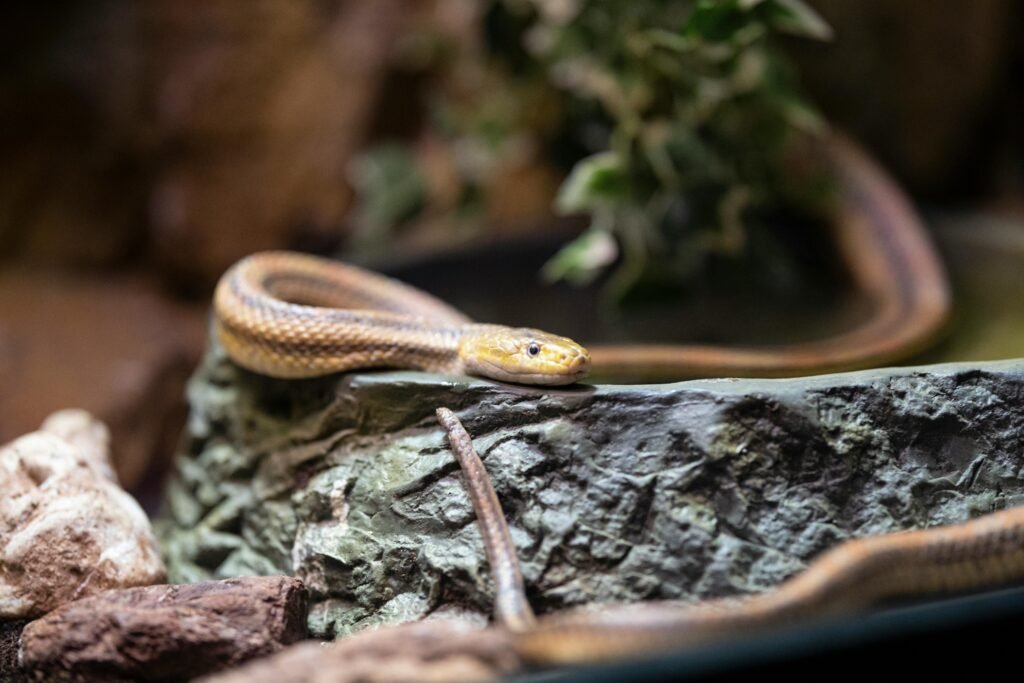
Setting up a proper feeding schedule for your corn snake doesn’t require expensive apps, fancy equipment, or breaking the bank on specialty feeders. With some simple DIY solutions and practical knowledge, you can establish an effective feeding routine that keeps your corn snake healthy and thriving. This guide will walk you through creating your own feeding schedule, tracking system, and budget-friendly diet plan that rivals any commercial solution.
Understanding Corn Snake Dietary Needs
Corn snakes are carnivorous constrictors that feed exclusively on whole prey items in captivity. Unlike some reptiles that require varied diets or supplements, corn snakes have straightforward nutritional needs that are fully met through appropriately-sized rodents. The key to successful feeding lies not in what you feed, but in proper sizing, timing, and consistency.
In the wild, corn snakes consume rodents, small birds, lizards, and frogs. However, captive corn snakes thrive on a diet of mice and rats, which provide complete nutrition including protein, fat, calcium from bones, and essential vitamins from organ meat. This simplicity makes DIY feeding schedules particularly manageable since you’re working with one primary food source rather than multiple ingredients.
Creating Your DIY Feeding Schedule Chart
Instead of purchasing expensive tracking apps or printed calendars, you can create an effective feeding schedule using materials you already have at home. A simple notebook, spreadsheet, or even a basic wall calendar works perfectly for tracking your corn snake’s feeding routine.
Worried About Your Reptile's Health?
Upload a photo and get instant AI health analysis. Catch problems before they become expensive vet bills.
Get Free Health Check →Start by dividing your tracking system into columns: date, prey type and size, feeding response, weight of snake (monthly), and notes. For a paper system, use a standard composition notebook with ruled lines. Draw vertical lines to create columns, or simply write the information in a consistent format. For digital tracking, Google Sheets or Excel provides free, accessible options that you can access from your phone.
Mark feeding days with a highlighter or colored pen to quickly visualize your snake’s schedule at a glance. This visual reference helps you maintain consistency and spot any feeding issues early. Include notes about temperature conditions, shedding cycles, and behavior changes, as these factors influence feeding response.
Age-Based Feeding Frequency Guidelines
Your corn snake’s feeding schedule should adjust as they grow. Hatchlings and juveniles require more frequent meals to support rapid growth, while adults need less frequent feeding to maintain healthy body condition.
Hatchlings (0-6 months): Feed every 5-7 days with appropriately-sized pinky mice. At this stage, your snake is growing rapidly and requires consistent nutrition. Use your DIY calendar to mark every fifth day as a feeding reminder, adjusting based on your snake’s individual response.
Never Miss Early Warning Signs
AI photo analysis catches subtle health issues humans miss 80% of the time. Early detection = healthier reptile + lower vet bills.
Start Free Trial →Juveniles (6-18 months): Transition to feeding every 7-10 days as your snake grows. During this period, you’ll gradually increase prey size from fuzzies to adult mice. Monitor body condition closely and adjust frequency if your snake appears too thin or overweight.
Adults (18+ months): Establish a feeding schedule of every 10-14 days. Adult corn snakes maintain their weight easily and can even become obese with overfeeding. Many experienced keepers feed adult corn snakes every two weeks with excellent results.
DIY Prey Size Determination Method
The most common feeding guideline states that prey should be approximately 1 to 1.5 times the width of your snake’s body at its widest point. However, you don’t need expensive calipers or measuring tools to determine appropriate prey size.
Create a simple visual reference guide by photographing your snake next to potential prey items or using common household items for comparison. For example, a hatchling corn snake typically starts with prey about the diameter of a pencil eraser. As your snake grows, compare the thickest part of its body to items like pens, markers, or your finger width.
Join thousands of successful reptile owners
Try ReptileCoach Free →Another DIY method involves the “slight bulge” test. After feeding, you should see a subtle bulge in your snake’s body where the prey item sits. If there’s no visible bulge, the prey is too small. If the bulge is pronounced and makes your snake appear uncomfortable, the prey is too large. Take photos after successful feedings to create your own reference library for future prey selection.
Budget-Friendly Prey Sourcing Options
Commercial frozen mice can be expensive, especially when purchased in small quantities from pet stores. Several DIY alternatives can significantly reduce your feeding costs without compromising quality.
Buying in bulk directly from rodent breeders or online suppliers cuts costs by 50% or more compared to pet store prices. A 50-count bag of frozen mice costs significantly less per item than buying five mice at a time. Invest in a small chest freezer or designate freezer space specifically for snake food. Label everything clearly and use airtight containers to prevent freezer burn.
Consider splitting bulk orders with other reptile keepers in your area. Connect with local herp societies or online community groups to find others interested in group purchases. This approach provides bulk pricing benefits without requiring extensive freezer space or upfront investment.
"This app saved my bearded dragon's life. The AI caught early MBD in photos I thought looked completely normal. Worth every penny!"
— Sarah K., ReptileCoach User
Get Your Free 7-Day Trial →Some keepers successfully maintain small mouse colonies for breeding, though this requires significant time, space, and ethical considerations. If you choose this route, research proper rodent care extensively and ensure you can provide appropriate housing and humane conditions.
DIY Feeding Equipment and Tools
You don’t need specialized feeding equipment to safely offer prey to your corn snake. Simple household items work perfectly well with proper technique.
Replace expensive feeding tongs with long bamboo or metal cooking tongs from your kitchen. The 10-12 inch length keeps your hands safely away from your snake during feeding while providing good control. Avoid wooden or plastic tongs that your snake might accidentally bite through.
For a thawing station, use a dedicated plastic container with a lid rather than purchasing specialized reptile equipment. Fill the container with warm (not hot) water and seal the frozen prey in a plastic bag before submerging. This method thaws prey quickly while keeping it clean and preventing water-logging. A simple digital kitchen thermometer helps ensure water temperature stays around 100-110°F for efficient thawing.
Worried About Your Reptile's Health?
Upload a photo and get instant AI health analysis. Catch problems before they become expensive vet bills.
Get Free Health Check →Create a designated feeding container using any plastic storage bin with smooth sides and a secure lid. This separate feeding space prevents substrate ingestion and helps your snake recognize feeding time. A simple, clear storage container costs a fraction of specialty feeding tanks and works just as effectively.
Homemade Feeding Schedule Adjustment System
Your corn snake’s feeding needs change based on various factors including temperature, shedding cycle, and seasonal variations. Develop a simple adjustment system for your DIY schedule to accommodate these changes.
Create a color-coding system in your tracking calendar: green for successful feedings, yellow for refused meals, red for regurgitation, and blue for shedding periods. This visual system helps you identify patterns quickly. For example, if you notice your snake consistently refuses food during the week before shedding, you’ll know to skip feeding attempts during the blue-eye stage.
During winter months, some corn snakes naturally reduce feeding frequency due to instinctive brumation responses, even in temperature-controlled environments. Mark seasonal changes in your tracker and note any feeding pattern shifts. This historical data helps you distinguish between concerning appetite loss and normal seasonal variation.
Never Miss Early Warning Signs
AI photo analysis catches subtle health issues humans miss 80% of the time. Early detection = healthier reptile + lower vet bills.
Start Free Trial →Temperature-Based Feeding Success Strategies
Proper temperatures are essential for successful feeding and digestion. Instead of expensive thermostats and monitoring systems, use strategic thermometer placement and simple scheduling to optimize feeding conditions.
Place stick-on thermometers or inexpensive digital thermometers at both the warm and cool ends of your enclosure. Take readings before each feeding to ensure the basking spot reaches 85-90°F. If temperatures are low, delay feeding until you can correct the issue, as corn snakes cannot properly digest food in suboptimal conditions.
Schedule feeding times when you can maintain consistent temperatures for 48 hours post-feeding. Avoid feeding right before expected temperature drops or power outages. This proactive scheduling prevents digestion problems without requiring expensive backup heating systems.
Tracking Growth and Adjusting Portions
Monitor your corn snake’s growth using a simple DIY weighing system. A basic digital kitchen scale accurate to 1 gram works perfectly for weighing corn snakes. Weigh your snake monthly on the same date, recording the results in your feeding tracker.
Join thousands of successful reptile owners
Try ReptileCoach Free →Create a simple growth chart by plotting weight over time on graph paper or a spreadsheet. A steady, gradual increase indicates proper feeding frequency and prey size. Rapid weight gain suggests overfeeding, while plateaus or weight loss indicate the need for schedule adjustments.
Use your growth data to determine when to upsize prey items. When your snake’s weight increases by approximately 30-40%, it’s typically time to move up one prey size. This data-driven approach prevents guesswork and ensures your feeding schedule remains appropriate as your snake grows.
Handling Feeding Challenges Without Expensive Solutions
When your corn snake refuses food, resist the urge to purchase expensive appetite stimulants or specialty items. Most feeding issues resolve with simple environmental adjustments and patience.
Create a feeding checklist to troubleshoot refusals: temperature verification, privacy assessment, prey size review, shedding cycle check, and stress level evaluation. Work through this checklist systematically before assuming a serious problem exists. Often, simply waiting an additional week or offering food in complete darkness resolves the issue.
"This app saved my bearded dragon's life. The AI caught early MBD in photos I thought looked completely normal. Worth every penny!"
— Sarah K., ReptileCoach User
Get Your Free 7-Day Trial →For stubborn feeders, try the “braining” technique by making a small puncture in the prey’s skull with a pin or needle. This releases scent that often triggers feeding response without requiring scent additives or live prey. Similarly, warming prey slightly above room temperature using warm water increases scent dispersal naturally.
Record-Keeping for Long-Term Success
Comprehensive records provide invaluable information for managing your corn snake’s health throughout its 15-20 year lifespan. Your DIY tracking system should capture patterns that help you provide optimal care.
Every six months, review your feeding records to identify trends. Calculate your snake’s average feeding frequency, growth rate, and refusal patterns. This analysis helps you fine-tune your schedule and catch potential health issues early. For example, if growth has slowed despite consistent feeding, it might indicate the need for veterinary consultation.
Include photos in your records by stapling printed pictures to your notebook or creating a digital folder linked to your spreadsheet. Visual documentation of body condition helps you objectively assess whether your feeding schedule is producing healthy results. Compare photos from six months apart to see changes that gradual daily observation might miss.
Worried About Your Reptile's Health?
Upload a photo and get instant AI health analysis. Catch problems before they become expensive vet bills.
Get Free Health Check →Conclusion: Sustainable Feeding Success
Creating an effective corn snake feeding schedule doesn’t require expensive equipment or complicated systems. With basic tracking tools, bulk prey purchasing, household feeding equipment, and consistent record-keeping, you can provide excellent nutrition for your corn snake while staying within budget. The key lies in understanding your individual snake’s needs, maintaining detailed records, and making data-driven adjustments over time. By implementing these DIY strategies, you’ll develop a feeding routine that supports your corn snake’s health throughout its life while building valuable husbandry skills. Start with a simple tracking system today, remain consistent with your schedule, and trust that your careful observations will guide you toward feeding success.
Ready to Give Your Reptile the Best Care?
Stop guessing and start knowing. Get personalized AI-powered care guidance, photo health analysis, and 24/7 expert advice for YOUR specific reptile.
Get Personalized Care Guidance
AI-powered photo analysis and daily care tracking for YOUR reptile
Try Free for 7 Days →