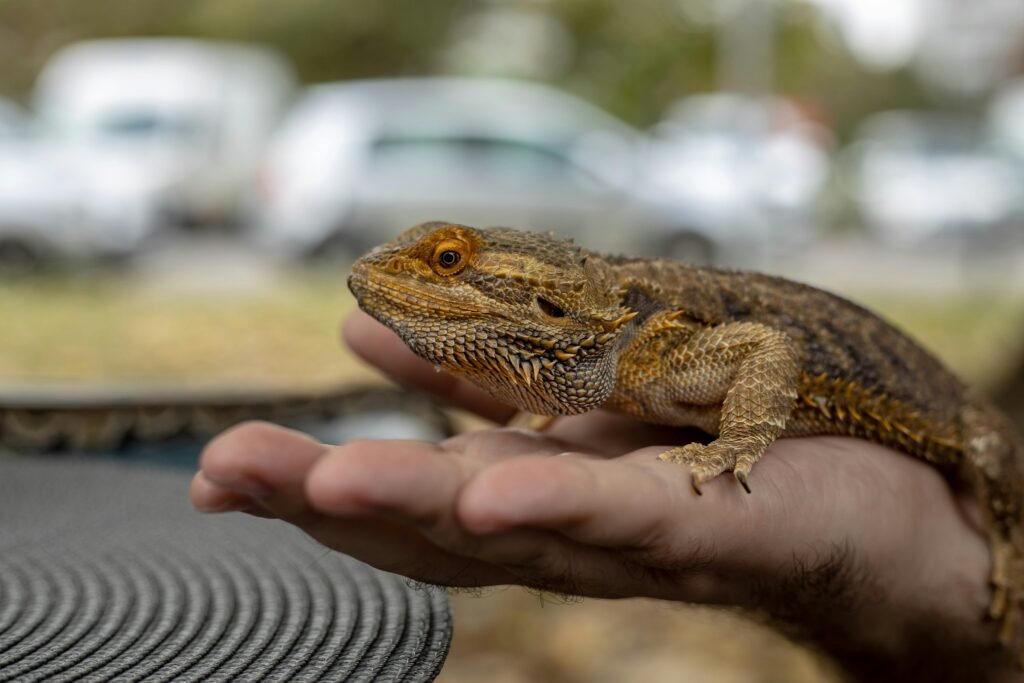
When your bearded dragon suddenly stops eating, panic can set in quickly. Whether you’re a first-time beardie owner or experienced reptile keeper, a loss of appetite in these normally voracious eaters is always concerning. The good news is that not every feeding refusal is an emergency, but knowing when to act quickly and what steps to take can make the difference between a minor hiccup and a serious health crisis. This comprehensive emergency guide will walk you through everything you need to know when your bearded dragon refuses food.
Assess the Emergency Level: When to Act Immediately
Before diving into solutions, you need to determine whether you’re facing a true emergency or a manageable situation. A healthy adult bearded dragon can safely go 1-2 weeks without food, while juveniles should not go more than a few days. However, certain warning signs require immediate veterinary attention regardless of how long they’ve been fasting.
Seek emergency veterinary care immediately if your bearded dragon shows:
- Lethargy combined with refusal to eat for more than 48 hours
- Sunken eyes or visible dehydration
- Black or darkened beard that stays dark continuously
- Labored breathing or gasping
- Seizures, tremors, or twitching
- Severe weight loss (visible hip bones or tail base thinning)
- Mucus around the mouth or nose
- Blood in stool or complete lack of bowel movements for over a week
- Inability to move limbs properly or dragging legs
If your bearded dragon is alert, active, and showing no other symptoms, you likely have time to troubleshoot the issue systematically. However, juveniles under 6 months old require closer monitoring as they have higher metabolic needs.
Worried About Your Reptile's Health?
Upload a photo and get instant AI health analysis. Catch problems before they become expensive vet bills.
Get Free Health Check →Common Non-Emergency Causes of Appetite Loss
Understanding why bearded dragons stop eating helps you address the root cause rather than just treating symptoms. Let’s examine the most frequent culprits that don’t require emergency intervention.
Brumation: The Natural Slowdown
Brumation is a hibernation-like state that bearded dragons enter naturally, typically during fall and winter months. During this period, which can last anywhere from a few weeks to several months, your beardie may eat very little or nothing at all. Signs of brumation include increased sleeping, reduced activity, and seeking out cooler areas of the enclosure. This is completely normal for healthy adult dragons and doesn’t require intervention. Continue offering food every few days, ensure water is available, and let nature take its course.
Improper Temperature and Lighting
Bearded dragons are ectothermic, meaning they rely on external heat to digest food. If temperatures are incorrect, your dragon literally cannot digest properly and will refuse food instinctively. Check your basking spot temperature immediately—it should read 95-105°F for adults and 100-110°F for juveniles. Ambient temperatures should be 80-90°F on the warm side and 70-80°F on the cool side.
Use a temperature gun (infrared thermometer) rather than stick-on gauges, which are notoriously inaccurate. If your basking bulb has burned out or weakened, your dragon won’t eat. Additionally, ensure your UVB lighting is appropriate: a tube-style 10.0 or 12.0 UVB bulb spanning 2/3 of the enclosure length, replaced every 6-12 months even if it still produces visible light.
Never Miss Early Warning Signs
AI photo analysis catches subtle health issues humans miss 80% of the time. Early detection = healthier reptile + lower vet bills.
Start Free Trial →Stress and Environmental Changes
Bearded dragons are surprisingly sensitive to environmental changes. New enclosures, recent moves, loud noises, other pets, or even rearranged decorations can trigger stress-related food refusal. Give your beardie time to adjust—usually 3-7 days. Minimize handling during this period and ensure they have adequate hiding spots. Cover three sides of the enclosure if it’s in a high-traffic area.
The 24-Hour Emergency Assessment Protocol
If your bearded dragon has stopped eating and you’ve ruled out immediate emergency symptoms, follow this systematic 24-hour protocol to identify and correct the problem.
Hour 0-2: Temperature and Lighting Check
Start by verifying all environmental parameters. Use your infrared thermometer to check basking spot temperature, warm side ambient temperature, and cool side temperature. If any are off, adjust immediately. Replace any burned-out bulbs. Check that your UVB bulb is within its effective lifespan and positioned correctly—it should be 8-12 inches from where your dragon basks with no glass or plastic between the bulb and the dragon.
Hour 2-4: Hydration Assessment
Dehydration often accompanies appetite loss and can become serious quickly. Offer a 15-20 minute bath in shallow warm water (95-100°F, no deeper than your dragon’s elbows). Many bearded dragons will drink during baths. Gently mist your dragon’s snout with water—some will lick droplets. Check for signs of dehydration: skin tenting when gently pinched, sunken eyes, or wrinkled skin.
Join thousands of successful reptile owners
Try ReptileCoach Free →Hour 4-8: Stool and Behavior Observation
Examine recent bowel movements. Impaction—a blockage in the digestive tract—is a common cause of appetite loss. Hard, dry stools, straining, or no stool production combined with a swollen belly indicates possible impaction. If you suspect impaction, increase bathing frequency to twice daily and gently massage the belly during baths. Ensure substrate isn’t loose (never use sand, especially for juveniles).
Hour 8-24: Diet and Feeding Method Adjustment
Try different foods and feeding techniques. If your dragon usually eats greens, offer favorite insects like hornworms or waxworms (treat items that are hard to resist). If they typically eat insects, try fresh bee pollen sprinkled on greens or brightly colored vegetables like butternut squash or red bell pepper. Hand-feeding sometimes works when bowl-feeding doesn’t. Wiggle food with tongs to trigger hunting instinct.
Specific Solutions for Identified Problems
Correcting Impaction
If you’ve identified impaction as the likely cause, immediate action prevents it from becoming life-threatening. Give daily warm baths for 20 minutes, gently massaging the belly in circular motions. Add a drop of olive oil to one feeding (no more than one drop—too much causes diarrhea). Switch to paper towels or tile substrate immediately. Increase basking temperature by 2-3 degrees to aid digestion. If impaction doesn’t resolve within 3-4 days, seek veterinary care.
Addressing Metabolic Bone Disease (MBD)
MBD results from calcium deficiency and improper UVB exposure. Early signs include lethargy, appetite loss, trembling, and difficulty moving. Advanced cases show kinked tail, swollen limbs, or rubber jaw. If you suspect MBD, this requires immediate veterinary intervention for calcium injections. Prevention is key: dust all insects with calcium powder (without D3 for most feedings, with D3 2-3 times weekly), ensure proper UVB lighting, and offer calcium-rich greens like collard greens and turnip greens.
"This app saved my bearded dragon's life. The AI caught early MBD in photos I thought looked completely normal. Worth every penny!"
— Sarah K., ReptileCoach User
Get Your Free 7-Day Trial →Treating Parasites
Internal parasites commonly cause appetite loss, weight loss despite eating, and abnormal stools. You cannot diagnose parasites without a fecal exam performed by a reptile veterinarian. If your dragon has been eating but losing weight, or has diarrhea with appetite loss, collect a fresh stool sample (within 12 hours) in a sealed plastic bag and refrigerate it until you can bring it to your vet. Never attempt to treat parasites with over-the-counter medications—improper dosing kills bearded dragons.
Emergency Feeding Techniques for Critical Situations
If your bearded dragon hasn’t eaten in over a week and is showing weight loss but no emergency symptoms requiring immediate vet care, you may need to assist-feed under veterinary guidance. Never attempt force-feeding without consulting a reptile veterinarian first, as improper technique can cause aspiration pneumonia or stress-related death.
For short-term support, try these vet-approved techniques:
- Offer Repashy Grub Pie or similar complete diet gel mixed thicker than normal and placed on the dragon’s snout—many will lick it off
- Use a needleless syringe to offer diluted carnivore care or baby food (squash or sweet potato only, no fruit) by placing small amounts at the side of the mouth
- Soak insects in Pedialyte before offering to provide hydration alongside nutrition
- Reduce stress by feeding in a separate, quiet container away from the main enclosure
Juvenile vs. Adult Emergency Timelines
The urgency level differs significantly based on your bearded dragon’s age. Juveniles under 6 months old should eat daily and cannot safely go more than 3-4 days without food. If a juvenile refuses food for 48 hours and you cannot identify an obvious environmental cause, schedule a veterinary appointment.
Worried About Your Reptile's Health?
Upload a photo and get instant AI health analysis. Catch problems before they become expensive vet bills.
Get Free Health Check →Subadults (6-12 months) have slightly more reserves but should still eat every other day minimum. More than 5 days without food warrants veterinary consultation. Adults over 18 months can safely go 1-2 weeks without food if they’re otherwise healthy, giving you more time to troubleshoot environmental and husbandry issues before seeking professional help.
Preventing Future Feeding Emergencies
Prevention is always better than emergency intervention. Implement these practices to minimize appetite loss incidents:
- Maintain consistent temperatures: Check temperatures weekly with an infrared thermometer and keep backup bulbs on hand
- Replace UVB bulbs on schedule: Mark replacement dates on your calendar—every 6 months for most bulbs
- Offer varied diet: Rotate between different feeder insects and vegetables to prevent boredom and ensure complete nutrition
- Keep detailed records: Track feeding frequency, types of food offered, and bowel movements to identify patterns early
- Annual veterinary checkups: Even healthy-appearing dragons benefit from yearly fecal exams and wellness checks
- Minimize stress: Establish routines, avoid excessive handling, and maintain consistent day/night cycles
- Monitor weight: Weigh your dragon monthly and watch for gradual changes indicating problems before appetite completely disappears
When Veterinary Care Is Non-Negotiable
Some situations always require professional reptile veterinary intervention, regardless of other factors. Don’t delay seeking help if your bearded dragon experiences appetite loss combined with vomiting, severe lethargy, inability to support their own weight, eye problems, mouth rot, or respiratory symptoms. Additionally, any juvenile that refuses food for more than 3 days needs professional evaluation.
Choose a veterinarian experienced with reptiles specifically—not all vets have the expertise to treat bearded dragons properly. Locate a qualified exotic vet before emergencies occur. The Association of Reptile and Amphibian Veterinarians (ARAV) website helps find specialists in your area.
Never Miss Early Warning Signs
AI photo analysis catches subtle health issues humans miss 80% of the time. Early detection = healthier reptile + lower vet bills.
Start Free Trial →Final Thoughts on Bearded Dragon Feeding Emergencies
A bearded dragon refusing food can be frightening, but systematic assessment and prompt action resolve most cases successfully. Start by checking environmental parameters—temperature and lighting issues cause the majority of feeding refusals and are easily corrected. Rule out brumation in adult dragons during cooler months. Address hydration immediately through bathing. If simple fixes don’t restore appetite within 24-48 hours, or if any emergency symptoms appear, don’t hesitate to seek veterinary care. Remember that juveniles require more urgent intervention than adults due to higher metabolic needs. By maintaining proper husbandry, monitoring your dragon closely, and knowing when to act, you’ll ensure your bearded dragon lives a long, healthy life with a robust appetite. Trust your instincts—you know your dragon best, and any significant behavioral change deserves investigation and appropriate response.
Ready to Give Your Reptile the Best Care?
Stop guessing and start knowing. Get personalized AI-powered care guidance, photo health analysis, and 24/7 expert advice for YOUR specific reptile.
Get Personalized Care Guidance
AI-powered photo analysis and daily care tracking for YOUR reptile
Try Free for 7 Days →