
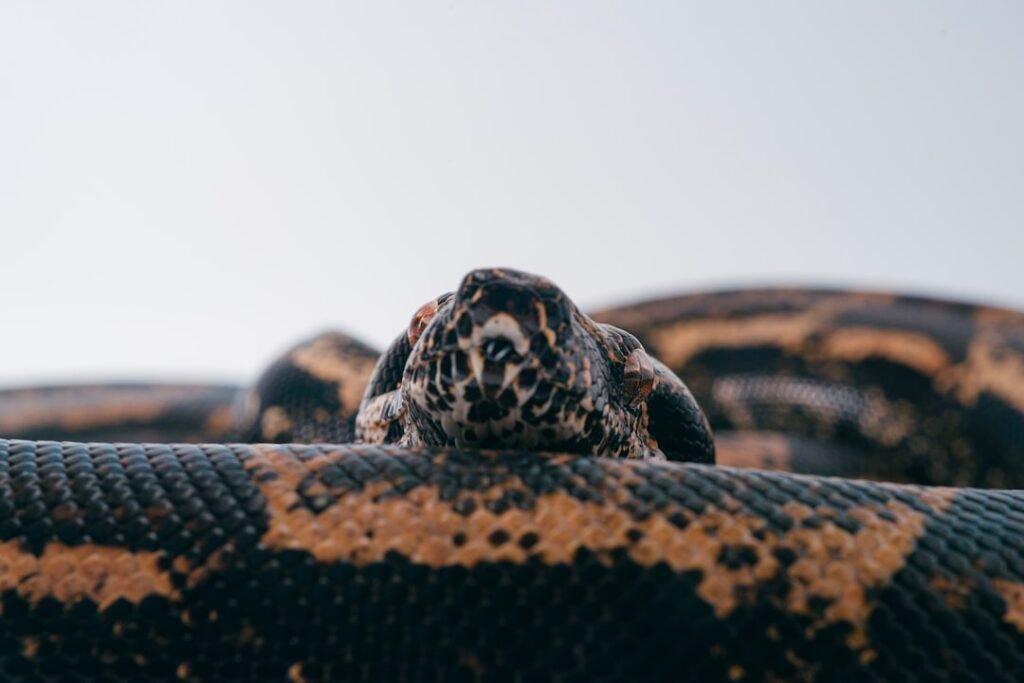
Sand boas are fascinating creatures that display remarkably different behaviors in the wild compared to captivity. Understanding these differences is crucial for any keeper who wants to provide optimal care and create an environment that meets their pet’s natural needs. Whether you’re a new sand boa owner or an experienced reptile enthusiast, recognizing how captivity influences these snakes’ behavior will help you better interpret their actions and ensure their wellbeing. Let’s explore the key behavioral differences between wild and captive sand boas and what they mean for your husbandry practices.
Hunting and Feeding Behavior Transformations
In their natural habitat, sand boas are ambush predators that spend hours buried beneath the sand with only their eyes and nostrils exposed. They remain motionless, waiting for prey to pass by before striking with lightning speed. Wild sand boas hunt opportunistically, and their meals are unpredictable in both timing and size. They might go weeks without eating, then consume a relatively large meal when the opportunity presents itself.
Captive sand boas, however, quickly adapt to a scheduled feeding routine. Most captive specimens learn to anticipate feeding times and may become more active when they detect their keeper’s presence during regular feeding hours. They often develop a stronger feeding response than their wild counterparts because food is consistently available. Many captive sand boas will readily accept pre-killed prey, while wild individuals must actively hunt live prey, developing different hunting reflexes and prey recognition patterns.
Interestingly, captive-bred sand boas may show less refined hunting skills compared to wild specimens. They might strike less accurately or show hesitation when first exposed to live prey, as they’ve never had to develop these skills for survival. This doesn’t make them less healthy, but it does represent a significant behavioral adaptation to their environment.
Worried About Your Reptile's Health?
Upload a photo and get instant AI health analysis. Catch problems before they become expensive vet bills.
Get Free Health Check →Activity Patterns and Daily Rhythms
Wild sand boas are primarily crepuscular and nocturnal, becoming most active during dawn, dusk, and nighttime hours when temperatures are moderate and prey is most active. During scorching daylight hours, they remain buried deep in the substrate, sometimes up to two feet below the surface, where temperatures are more stable and cooler.
In captivity, sand boas often adjust their activity patterns based on the conditions you provide. If the enclosure maintains comfortable temperatures throughout the day, captive sand boas may be less strictly nocturnal than their wild relatives. Many keepers report seeing their sand boas surface during the day, especially if the ambient temperature is appropriate and they feel secure. However, they still tend to be more active during evening hours when household activity decreases.
The consistency of captive environments also means sand boas don’t need to make the same seasonal adjustments that wild individuals do. Wild sand boas may brumate during cooler months and show increased activity during breeding season, while captive specimens often maintain more consistent year-round activity levels unless their keeper deliberately cycles temperatures to encourage breeding.
Defensive Behavior and Stress Responses
Wild sand boas face constant threats from predators including birds of prey, mongoose, and larger snakes. They’ve developed a range of defensive behaviors including immediate burrowing when threatened, coiling into a tight ball with their head protected, and sometimes striking defensively. Wild specimens are understandably more skittish and quick to employ these defense mechanisms when they perceive danger.
Never Miss Early Warning Signs
AI photo analysis catches subtle health issues humans miss 80% of the time. Early detection = healthier reptile + lower vet bills.
Start Free Trial →Captive-bred sand boas, especially those handled regularly from a young age, typically display much calmer temperaments. They’re less likely to immediately burrow when approached and often tolerate handling with minimal stress. However, it’s important to understand that even calm captive sand boas retain their instinctive defensive behaviors and may employ them if they feel genuinely threatened or if they’re not properly acclimated to handling.
The stress ball behavior, where a sand boa coils tightly with its head tucked in the center, is much more common in wild-caught individuals or newly acquired captive specimens. Well-adjusted captive sand boas rarely display this behavior unless seriously stressed. If your captive sand boa frequently balls up, it’s a sign that adjustments to handling practices or enclosure security may be needed.
Burrowing Habits and Substrate Preferences
In the wild, sand boas spend approximately 90-95% of their time completely buried in sand or loose soil. They create extensive tunnels and chambers, moving between different depths to thermoregulate. Wild sand boas are expert burrowers, capable of moving through substrate with remarkable speed and efficiency, leaving barely a trace of their passage on the surface.
Captive sand boas still retain strong burrowing instincts, but their behavior is somewhat modified by the substrate you provide. Those kept on appropriate sand or aspen bedding will burrow regularly, but they may spend slightly more time at or near the surface than wild individuals, particularly if you’ve provided adequate hiding spots. Many captive specimens will use provided hides in addition to burrowing, whereas wild sand boas rely almost exclusively on self-made burrows.
Join thousands of successful reptile owners
Try ReptileCoach Free →The depth and complexity of burrows also differs. While wild sand boas may burrow two feet deep, captive specimens are limited by enclosure depth. Most do fine with 3-4 inches of substrate, though they’ll certainly use more if provided. They learn to work within the constraints of their environment, creating shorter but still functional burrow systems.
Social Behaviors and Tolerance
Wild sand boas are solitary creatures that only interact with conspecifics during breeding season. Outside of breeding, encounters between wild sand boas are rare and typically result in avoidance behaviors. They maintain territories and generally don’t tolerate the presence of other snakes in their immediate vicinity.
Some keepers successfully house multiple sand boas together in captivity, particularly females, though this remains controversial. Captive sand boas may show increased tolerance for cohabitation compared to wild individuals, likely due to consistent food availability eliminating competition and the controlled environment reducing overall stress. However, this doesn’t mean cohabitation is ideal, as even tolerant captive specimens may experience chronic low-level stress from the constant presence of another snake.
Captive breeding groups may also show different dynamics than wild breeding encounters. In controlled breeding situations, males and females can be introduced with lower risk of aggression or stress compared to wild encounters, though keepers must still monitor interactions carefully.
"This app saved my bearded dragon's life. The AI caught early MBD in photos I thought looked completely normal. Worth every penny!"
— Sarah K., ReptileCoach User
Get Your Free 7-Day Trial →Environmental Awareness and Exploration
Wild sand boas develop extensive knowledge of their territory, including the location of productive hunting grounds, optimal thermal refuges, and safe retreat spots. They navigate their environment with purpose, moving between these key locations as needed for survival.
Captive sand boas explore their enclosures thoroughly when first introduced but quickly learn the layout of their limited space. Once familiar with their environment, they may establish preferred locations for different activities—a favorite basking spot, a primary burrow entrance, and specific areas where they expect food to appear. This predictable behavior in captivity reflects their adaptation to a smaller, more static environment.
When provided with enrichment or enclosure modifications, captive sand boas often show curiosity and will explore new additions. This exploratory behavior, while present in wild snakes encountering new territory, may be more pronounced in captive specimens that otherwise have limited environmental variation.
Response to Temperature and Humidity Changes
Wild sand boas are experts at behavioral thermoregulation, moving between different substrate depths and microhabitats to maintain optimal body temperature. They respond immediately to environmental changes, burrowing deeper during temperature extremes or moving to specific areas that provide the conditions they need.
Worried About Your Reptile's Health?
Upload a photo and get instant AI health analysis. Catch problems before they become expensive vet bills.
Get Free Health Check →Captive sand boas retain these thermoregulatory instincts but often have less need to employ them actively if you’ve created a proper thermal gradient. They may spend more time at stable, comfortable temperatures rather than constantly moving to thermoregulate. However, if your heating setup is inadequate, you’ll notice captive sand boas working harder to find appropriate temperatures, moving frequently between areas or spending excessive time directly on heat sources.
Regarding humidity, wild sand boas experience natural fluctuations and know to burrow deeper during dry periods or move to slightly more humid microhabitats when needed, particularly before shedding. Captive specimens may be less adept at managing their own humidity needs if the enclosure doesn’t provide adequate options, sometimes resulting in stuck sheds if keepers don’t monitor and adjust conditions appropriately.
Breeding Motivation and Behaviors
Wild sand boas breed in response to environmental cues including temperature cycling, seasonal changes, and pheromone detection. Males may travel considerable distances to find receptive females, and breeding occurs within a specific seasonal window when conditions are optimal for offspring survival.
Captive breeding often requires deliberate manipulation of environmental conditions to trigger breeding behavior. Without seasonal temperature fluctuations, captive sand boas may not breed at all, or they may breed at unusual times of year. However, once breeding behaviors are triggered, captive-bred sand boas often show similar courtship and copulation behaviors to their wild counterparts.
Never Miss Early Warning Signs
AI photo analysis catches subtle health issues humans miss 80% of the time. Early detection = healthier reptile + lower vet bills.
Start Free Trial →Interestingly, some captive-bred sand boas may be more willing to breed than wild-caught specimens because they experience less overall stress and have consistent nutritional status. Well-conditioned captive females often produce healthy offspring, demonstrating that while the triggers may be artificial, the reproductive behaviors and capabilities remain intact.
Conclusion
Understanding the behavioral differences between wild and captive sand boas provides valuable insights for creating optimal captive environments and interpreting your snake’s actions. While captive sand boas adapt remarkably well to life in enclosures, they retain many of their wild instincts including burrowing, thermoregulation, and feeding behaviors. The key differences—more consistent activity patterns, calmer temperaments, scheduled feeding responses, and modified exploration behaviors—reflect their adaptation to a safe, predictable environment rather than a loss of natural instincts. By recognizing these differences, you can provide appropriate husbandry that honors their wild heritage while accommodating their captive reality. Whether your sand boa is captive-bred or wild-caught, meeting their behavioral needs through proper substrate depth, appropriate temperature gradients, secure hiding spots, and respectful handling practices will ensure they thrive in your care. Remember that each individual snake may display unique behavioral traits, so observe your sand boa closely and adjust care based on what you learn about their specific personality and preferences.
Ready to Give Your Reptile the Best Care?
Stop guessing and start knowing. Get personalized AI-powered care guidance, photo health analysis, and 24/7 expert advice for YOUR specific reptile.
Get Personalized Care Guidance
AI-powered photo analysis and daily care tracking for YOUR reptile
Try Free for 7 Days →