
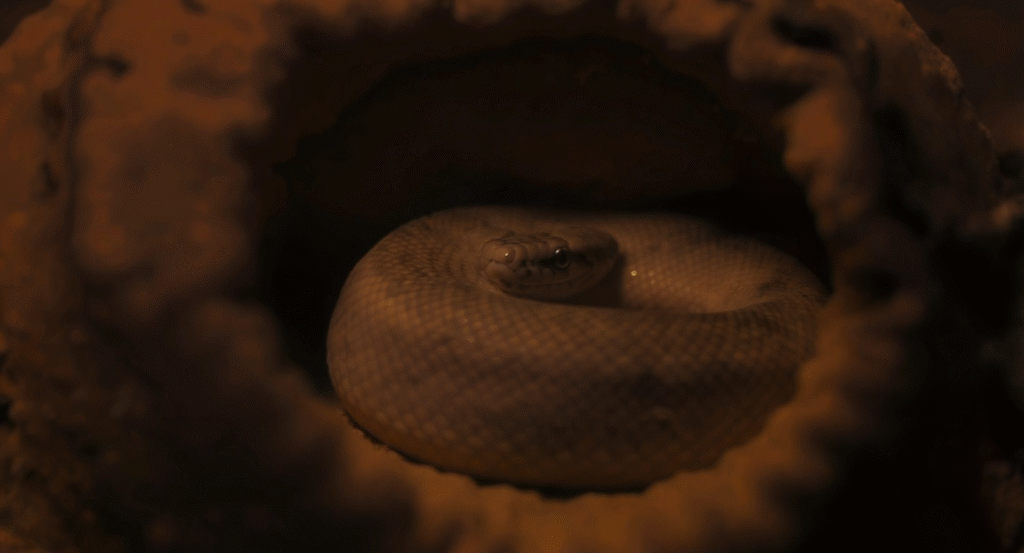
If your ball python isn’t moving or eating, it’s natural to worry about whether your snake is sick. Ball pythons are known for their calm demeanor, but when they become unusually lethargic or refuse food for extended periods, it could signal various issues—from normal behavioral patterns to serious health concerns. This comprehensive guide will help you determine what’s happening with your ball python and when you need to take action.
Normal Ball Python Behavior vs. Concerning Signs
Ball pythons are naturally sedentary snakes that spend much of their time resting. Understanding what’s normal versus what requires attention is crucial for every ball python owner.
Typical Ball Python Activity Levels
Ball pythons are crepuscular, meaning they’re most active during dawn and dusk. During daylight hours, it’s completely normal for your snake to remain motionless in its hide for extended periods. However, if your ball python shows no movement for several days, doesn’t respond when handled, or appears completely unresponsive, this warrants closer investigation.
Normal Feeding Refusals
Ball pythons are notorious for refusing food, and not all fasting periods indicate illness. These snakes may fast for several weeks or even months due to seasonal changes, breeding season, stress from recent relocation, or simply individual preference. Adult ball pythons can safely go without food for several weeks without health consequences.
Worried About Your Reptile's Health?
Upload a photo and get instant AI health analysis. Catch problems before they become expensive vet bills.
Get Free Health Check →Common Reasons Your Ball Python Isn’t Moving
Temperature-Related Lethargy
Improper temperatures are among the most common causes of reduced activity in ball pythons. As ectothermic animals, ball pythons depend entirely on environmental heat to regulate their metabolism and bodily functions.
Your ball python enclosure should maintain a temperature gradient with a warm side between 88-92°F and a cool side around 78-80°F. If temperatures drop below this range, your snake will become sluggish, digest food improperly, and may refuse meals altogether. Conversely, temperatures that are too high can cause stress and overheating.
Check your thermometers (use digital thermometers with probes for accuracy) and ensure your heating elements are functioning properly. Under-tank heaters or ceramic heat emitters regulated by thermostats are ideal for maintaining proper temperatures.
Shedding Cycle
Ball pythons typically become less active before and during shedding. You’ll notice their eyes turning cloudy or blue, followed by the eyes clearing, and then the actual shed occurring days later. During this time, decreased movement and food refusal are completely normal. Once your snake completes its shed, activity levels should return to normal.
Never Miss Early Warning Signs
AI photo analysis catches subtle health issues humans miss 80% of the time. Early detection = healthier reptile + lower vet bills.
Start Free Trial →Stress and Environmental Factors
Stress significantly impacts ball python behavior. Common stressors include excessive handling, inadequate hiding spots, transparent enclosures without visual barriers, vibrations from nearby electronics, or recent changes to their environment. A stressed ball python will often remain hidden and motionless, attempting to avoid perceived threats.
Why Your Ball Python Stopped Eating
Seasonal Fasting
Many ball pythons experience reduced appetite during fall and winter months, even when housed indoors with consistent temperatures. This instinctive behavior relates to their wild breeding cycles in West and Central Africa. Males especially may fast during breeding season (typically November through March in captivity).
Husbandry Issues
Incorrect husbandry is the leading cause of feeding strikes in ball pythons:
- Incorrect temperatures: Without adequate heat, ball pythons cannot digest food and will refuse meals to prevent regurgitation
- Inadequate humidity: Humidity levels should be maintained between 50-60% (higher during shedding). Low humidity can cause discomfort and appetite loss
- Insufficient hiding spots: Ball pythons feel vulnerable without proper hides and may refuse food when stressed
- Enclosure size: Enclosures that are too large can stress baby ball pythons, while cramped spaces stress adults
Prey Preference Issues
Some ball pythons develop strong preferences for specific prey types, sizes, or presentation methods. If your snake previously ate frozen-thawed rodents but suddenly refuses, try varying your approach: ensure prey is properly warmed (around 98-100°F), try offering at different times of day, or experiment with feeding in a smaller, darker space.
Join thousands of successful reptile owners
Try ReptileCoach Free →Signs Your Ball Python Is Actually Sick
While fasting and low activity are often normal, certain symptoms indicate genuine health problems requiring veterinary attention:
Respiratory Infections
Watch for these warning signs:
- Wheezing, clicking, or crackling sounds when breathing
- Mucus or bubbles around the nostrils or mouth
- Breathing with mouth open
- Holding head in elevated position while resting
- Lethargy combined with these respiratory symptoms
Respiratory infections typically result from temperatures that are too low or humidity that’s too high, creating conditions for bacterial or fungal growth.
Inclusion Body Disease (IBD)
IBD is a serious viral disease affecting boid snakes. Symptoms include difficulty righting themselves when placed upside down, stargazing (looking upward for extended periods), regurgitation, and progressive neurological decline. Unfortunately, there’s no cure for IBD, making prevention through proper quarantine of new animals essential.
"This app saved my bearded dragon's life. The AI caught early MBD in photos I thought looked completely normal. Worth every penny!"
— Sarah K., ReptileCoach User
Get Your Free 7-Day Trial →Parasites
Internal or external parasites can cause lethargy, weight loss despite eating, regurgitation, and changes in fecal matter. Mites (tiny black or red dots that move on your snake’s body) are the most common external parasite. If you suspect parasites, consult a reptile veterinarian for proper diagnosis and treatment.
Mouth Rot (Infectious Stomatitis)
This bacterial infection causes inflammation of the mouth and gums, appearing as redness, swelling, or cheese-like discharge in the mouth. Affected snakes often refuse food due to pain and may have difficulty closing their mouths properly.
When to See a Reptile Veterinarian
Seek veterinary care if your ball python exhibits any of these concerning signs:
- Complete lack of movement or response to handling after several days
- Weight loss exceeding 10% of body weight
- Regurgitation of meals
- Abnormal feces (bloody, extremely watery, or foul-smelling)
- Visible injuries, swelling, or lumps
- Respiratory symptoms lasting more than 24 hours
- Refusal to eat for longer than 2-3 months (for adults) or 3-4 weeks (for juveniles)
- Neurological symptoms like loss of coordination or stargazing
Finding a veterinarian experienced with reptiles before an emergency occurs is essential. Not all veterinarians have expertise in reptile medicine, so research exotic animal specialists in your area.
Worried About Your Reptile's Health?
Upload a photo and get instant AI health analysis. Catch problems before they become expensive vet bills.
Get Free Health Check →Steps to Take When Your Ball Python Won’t Eat or Move
1. Review Your Husbandry
Systematically check every aspect of your ball python’s environment:
- Verify temperatures with accurate thermometers on both warm and cool sides
- Check humidity levels with a hygrometer
- Ensure proper hiding spots are available on both sides of the temperature gradient
- Evaluate enclosure security and privacy
- Review your handling frequency and reduce if necessary
2. Maintain Detailed Records
Document your snake’s behavior, feeding attempts, weight, and any unusual observations. This information is invaluable for identifying patterns and providing information to your veterinarian if needed.
3. Give Appropriate Time
If your husbandry is correct and your snake shows no concerning symptoms, patience is often the best approach. Avoid handling except for necessary maintenance, maintain proper conditions, and offer food on your regular schedule without forcing.
4. Adjust Feeding Techniques
Try these approaches to encourage eating:
Never Miss Early Warning Signs
AI photo analysis catches subtle health issues humans miss 80% of the time. Early detection = healthier reptile + lower vet bills.
Start Free Trial →- Ensure prey is adequately warmed
- Feed during evening hours when ball pythons are naturally more active
- Try leaving the prey in the enclosure overnight
- Feed in a covered or darkened enclosure to reduce stress
- Offer smaller prey items if your snake seems intimidated
Frequently Asked Questions
How long can a ball python go without eating?
Adult ball pythons can safely fast for several months without serious health consequences, though this should be monitored. Juveniles and hatchlings should not go longer than 3-4 weeks without eating. However, any extended fast should be evaluated to ensure environmental conditions are optimal and no underlying health issues exist.
Is my ball python hibernating?
Ball pythons do not truly hibernate. They may experience a period of reduced activity and appetite during cooler months (brumation), but they should still be alert and responsive when disturbed. If your snake is completely unresponsive, this is not normal brumation behavior.
Should I force-feed my ball python?
Force-feeding should only be done under veterinary guidance as a last resort. Improper force-feeding can cause injury, regurgitation, or aspiration pneumonia. If your snake has been fasting for an extended period, consult a reptile veterinarian rather than attempting force-feeding yourself.
Can stress alone make my ball python stop eating?
Absolutely. Ball pythons are sensitive to stress, and changes in environment, excessive handling, inadequate hiding spots, or other stressors can trigger feeding strikes lasting weeks or months. Addressing the source of stress and providing a secure, appropriate environment typically resolves stress-related fasting.
Join thousands of successful reptile owners
Try ReptileCoach Free →What’s the difference between a sick snake and a fasting snake?
A healthy fasting snake maintains normal body condition, shows alert (even if infrequent) movement, has clear eyes, breathes quietly without discharge, and remains responsive to handling. A sick snake often displays weight loss, lethargy even when disturbed, respiratory symptoms, abnormal postures, or other visible health issues beyond simple food refusal.
Could my ball python be gravid (pregnant)?
Female ball pythons often refuse food when gravid. If your female has been housed with a male or has access to stored sperm from previous breeding, pregnancy is possible. Gravid females typically develop a visible mid-body swelling and may seek warm areas more frequently. Most gravid females resume eating after laying eggs.
Prevention: Keeping Your Ball Python Healthy
Preventing health issues is always easier than treating them:
- Maintain proper temperatures and humidity consistently
- Provide appropriate enclosure size with adequate hiding spots
- Minimize handling to 1-2 times per week
- Quarantine new reptiles for at least 60-90 days
- Keep detailed husbandry records
- Schedule annual veterinary check-ups with a reptile specialist
- Feed appropriately sized prey on a regular schedule
- Ensure fresh, clean water is always available
- Monitor weight regularly to catch changes early
Get Expert Guidance for Your Ball Python
Understanding whether your ball python’s behavior is normal or concerning can be challenging, especially for new keepers. While this guide provides comprehensive information, every snake and situation is unique.
"This app saved my bearded dragon's life. The AI caught early MBD in photos I thought looked completely normal. Worth every penny!"
— Sarah K., ReptileCoach User
Get Your Free 7-Day Trial →Need personalized advice for your ball python? ReptileCoach AI provides instant, expert guidance tailored to your specific situation. Whether you’re troubleshooting husbandry issues, interpreting behavioral changes, or determining when veterinary care is necessary, ReptileCoach AI offers 24/7 support based on the latest reptile care research and veterinary knowledge.
Don’t wait until a minor concern becomes a major problem. Try ReptileCoach AI free for 7 days and get immediate answers to your ball python care questions. Our AI-powered platform helps you provide the best possible care for your snake with confidence. Start your free trial today and gain peace of mind knowing expert help is always just a message away.
Ready to Give Your Reptile the Best Care?
Stop guessing and start knowing. Get personalized AI-powered care guidance, photo health analysis, and 24/7 expert advice for YOUR specific reptile.
Get Personalized Care Guidance
AI-powered photo analysis and daily care tracking for YOUR reptile
Try Free for 7 Days →