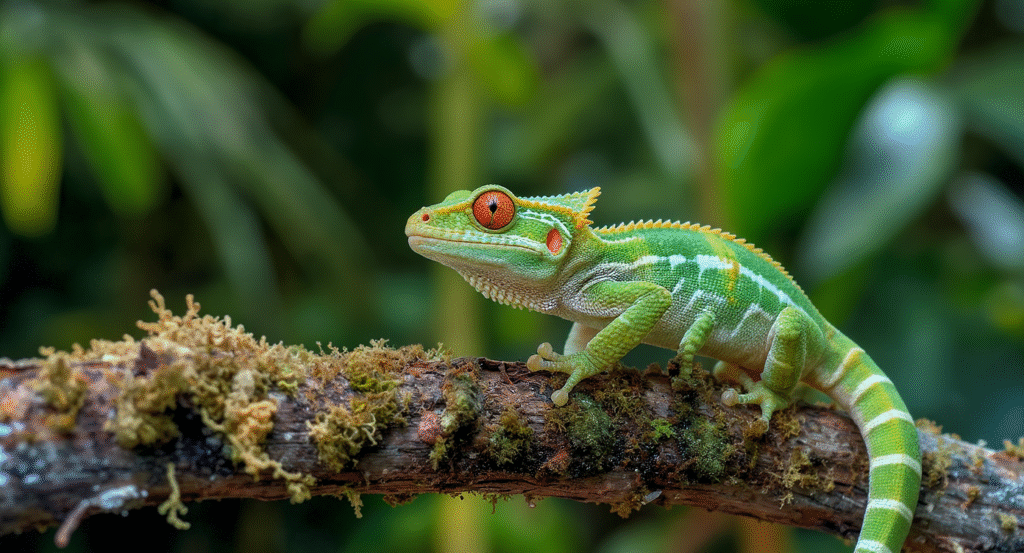
Crested geckos have become one of the most popular pet reptiles in recent years, and for good reason. These charming little creatures from New Caledonia are relatively easy to care for, don’t require specialized lighting, and have endearing personalities that make them perfect for both beginners and experienced reptile keepers. Whether you’re considering getting your first crested gecko or looking to improve your care routine, this comprehensive guide will walk you through everything you need to know to keep your gecko healthy and thriving.
Understanding Crested Geckos
Crested geckos (Correlophus ciliatus) were once thought to be extinct until their rediscovery in 1994. These arboreal geckos are native to the islands of New Caledonia and have since become widely bred in captivity. They get their name from the distinctive fringe of skin that runs from their eyes down to their tail, resembling eyelashes. Adult crested geckos typically reach 7-9 inches in length, including their tail, and can live 15-20 years with proper care, making them a long-term commitment.
Habitat Setup and Enclosure Requirements
Creating the perfect home for your crested gecko is crucial for their health and happiness. These arboreal reptiles need vertical space more than floor space, so choosing the right enclosure is your first important decision.
Enclosure Size and Type
For a single adult crested gecko, the minimum enclosure size should be 18x18x24 inches (tall), though larger is always better. Young geckos can start in smaller enclosures like a 12x12x18 inch tank, but they’ll need upgrading as they grow. Glass terrariums with front-opening doors are ideal because they maintain humidity well and make it easier to access your gecko without startling them from above. Screen cages can work but require more attention to humidity levels.
Worried About Your Reptile's Health?
Upload a photo and get instant AI health analysis. Catch problems before they become expensive vet bills.
Get Free Health Check →Temperature and Humidity
One of the best things about crested geckos is that they thrive at room temperature. They prefer temperatures between 72-78°F during the day and can tolerate drops to 65-70°F at night. They should not be exposed to temperatures above 82°F for extended periods, as this can be dangerous. Most homes naturally stay within this range, eliminating the need for heat lamps in most cases.
Humidity is more critical than temperature. Crested geckos need humidity levels between 60-80%. Mist the enclosure thoroughly each evening and lightly in the morning. The enclosure should dry out somewhat between mistings to prevent bacterial growth. A hygrometer is essential for monitoring humidity levels accurately.
Substrate and Décor
For substrate, you have several safe options. Paper towels are economical and make cleaning easy, especially for quarantine or hospital setups. Coconut fiber (eco earth) is a popular natural option that holds humidity well. Avoid loose substrates like sand or bark chips that could cause impaction if ingested.
Décor is where you can get creative while meeting your gecko’s needs. Include plenty of vertical climbing branches, cork bark, and live or artificial plants. Crested geckos love to hide in foliage, so dense artificial plants like pothos or ficus work wonderfully. Live plants not only look beautiful but also help maintain humidity and air quality. Add at least two hiding spots at different heights—one near the top and one lower down. A magnetic feeding ledge placed high in the enclosure is perfect for placing their food dish, as they prefer to eat while elevated.
Never Miss Early Warning Signs
AI photo analysis catches subtle health issues humans miss 80% of the time. Early detection = healthier reptile + lower vet bills.
Start Free Trial →Diet and Nutrition
Feeding crested geckos is straightforward thanks to commercially prepared crested gecko diets, but understanding their nutritional needs ensures optimal health.
Commercial Crested Gecko Diet
The backbone of a crested gecko’s diet should be a high-quality powdered diet formulated specifically for crested geckos. Brands like Pangea and Repashy offer complete nutrition in convenient powder form that you mix with water. These diets contain the perfect balance of proteins, fruits, vitamins, and minerals. Feed adults every other day and juveniles daily. Mix the powder to a consistency similar to ketchup or baby food, and offer about a tablespoon per gecko in a sturdy dish.
Insect Supplementation
While commercial diets are nutritionally complete, many keepers supplement with live insects 1-2 times per week for enrichment and variety. Crickets and dubia roaches are excellent choices. The insects should be no larger than the space between your gecko’s eyes. Always dust insects with calcium powder before feeding. Remove any uneaten insects after 15-20 minutes, as crickets can bite sleeping geckos.
Treats and What to Avoid
Small amounts of pureed fruit like mango, banana, or papaya can be offered occasionally as treats, but these should never replace their complete diet. Never feed crested geckos citrus fruits, dairy products, or any processed human foods. Avoid wild-caught insects that may carry pesticides or parasites.
Join thousands of successful reptile owners
Try ReptileCoach Free →Handling and Socialization
Crested geckos can become quite tame with regular, gentle handling. However, they’re not cuddly pets and should be handled with care and respect for their comfort.
When and How to Handle
Wait at least one week after bringing your gecko home before attempting to handle them, allowing them to acclimate to their new environment. Start with brief 5-10 minute sessions and gradually increase as your gecko becomes comfortable. Always wash your hands before and after handling.
To pick up your gecko, gently scoop them from underneath rather than grabbing from above, which can frighten them. Let them walk from hand to hand rather than restraining them. Be prepared for jumping—crested geckos are excellent leapers! Handle them over a bed or soft surface initially to prevent injury from falls.
Understanding Body Language
Crested geckos communicate through body language. A calm gecko will move slowly and may lick you gently. Signs of stress include aggressive chirping, lunging, or trying to bite (though crested gecko bites are harmless). A fired-up gecko (darker, more vibrant colors) can indicate stress or excitement, while fired-down (paler colors) usually means they’re relaxed or sleeping.
"This app saved my bearded dragon's life. The AI caught early MBD in photos I thought looked completely normal. Worth every penny!"
— Sarah K., ReptileCoach User
Get Your Free 7-Day Trial →Common Health Issues and Prevention
While crested geckos are generally hardy, being aware of potential health issues helps you provide the best care and catch problems early.
Metabolic Bone Disease (MBD)
MBD results from calcium or vitamin D3 deficiency and is preventable through proper diet and supplementation. Signs include weakness, tremors, curved limbs, and difficulty climbing. Using a quality commercial diet and dusting insects with calcium powder prevents this condition.
Stuck Shed
Improper humidity can cause incomplete shedding, especially around the toes and tail tip. Stuck shed can constrict blood flow and cause toe loss. Maintain proper humidity and provide a humid hide (a container with moist sphagnum moss) to prevent shedding issues. If you notice stuck shed, increase humidity and provide a lukewarm soak if necessary.
Tail Loss
Crested geckos can drop their tails when stressed or grabbed, and unlike some geckos, crested gecko tails do not regenerate. While tail loss isn’t a health emergency, it permanently changes their appearance. Handle gently and never grab the tail to prevent this.
Worried About Your Reptile's Health?
Upload a photo and get instant AI health analysis. Catch problems before they become expensive vet bills.
Get Free Health Check →Parasites and Infections
Internal parasites can affect crested geckos, especially wild-caught specimens or those exposed to contaminated feeders. Signs include weight loss, lethargy, and abnormal feces. Annual fecal exams by a reptile veterinarian can detect parasites early. Respiratory infections, though less common, can occur in overly cold or humid environments with poor ventilation.
Breeding Considerations
If you’re considering breeding crested geckos, remember this is a serious responsibility. Females should be at least 18 months old and weigh 40+ grams before breeding. Breeding requires additional equipment, knowledge, and a plan for housing offspring. Many breeders already produce crested geckos, so carefully consider whether breeding is the right choice for you.
Conclusion: Your Journey as a Crested Gecko Owner
Crested geckos make fantastic pets for people of all experience levels. Their modest care requirements, combined with their charming personalities and beautiful appearance, explain why they’ve become so beloved in the reptile community. By providing proper housing, nutrition, and gentle handling, you’ll enjoy many years with your crested companion.
Remember that every gecko is an individual with unique preferences and personality. Pay attention to your gecko’s behavior and adjust care as needed. Regular observation is the best tool for ensuring your pet stays healthy and happy.
Never Miss Early Warning Signs
AI photo analysis catches subtle health issues humans miss 80% of the time. Early detection = healthier reptile + lower vet bills.
Start Free Trial →Need Expert Advice for Your Crested Gecko?
Whether you’re troubleshooting a care issue, planning your first setup, or have questions about your gecko’s behavior, getting personalized advice can make all the difference. Visit ReptileCoach.com to chat with our AI-powered reptile care specialist. Get instant, expert answers to your crested gecko questions 24/7. Our intelligent chat system draws from extensive reptile care databases to provide accurate, helpful guidance tailored to your specific situation. Don’t guess when it comes to your gecko’s health—get the answers you need at ReptileCoach.com today!
Ready to Give Your Reptile the Best Care?
Stop guessing and start knowing. Get personalized AI-powered care guidance, photo health analysis, and 24/7 expert advice for YOUR specific reptile.
Get Personalized Care Guidance
AI-powered photo analysis and daily care tracking for YOUR reptile
Try Free for 7 Days →