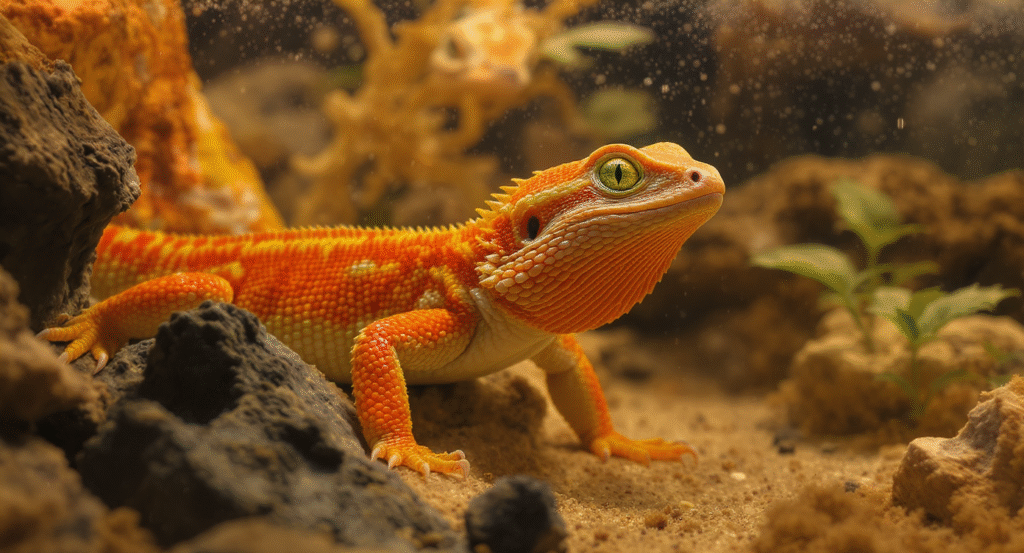
If you’re a bearded dragon owner, you’ve likely witnessed this peculiar behavior: your beloved reptile frantically scratching at the glass walls of their enclosure, seemingly trying to climb up the smooth surface over and over again. This behavior, commonly known as “glass surfing” or “glass dancing,” can be both puzzling and concerning for reptile keepers. While it might look amusing at first, glass surfing often indicates that something in your bearded dragon’s environment or routine needs attention.
Understanding why your bearded dragon is exhibiting this behavior is crucial for ensuring their wellbeing and happiness. In this comprehensive guide, we’ll explore the various reasons behind glass surfing, provide practical solutions, and help you determine when it’s time to consult a veterinarian.
What Is Glass Surfing?
Glass surfing is a behavior where bearded dragons stand on their hind legs and frantically scratch or “paddle” at the glass walls of their terrarium with their front legs. They may move along the entire length of the enclosure, repeatedly attempting to climb the glass despite continuously sliding back down. This behavior can last anywhere from a few minutes to extended periods throughout the day.
Worried About Your Reptile's Health?
Upload a photo and get instant AI health analysis. Catch problems before they become expensive vet bills.
Get Free Health Check →While occasional glass surfing might not be cause for immediate alarm, persistent or intense glass surfing typically indicates that your bearded dragon is experiencing some form of distress or discomfort that needs to be addressed.
Common Causes of Glass Surfing
1. Stress and Anxiety
Stress is one of the most common triggers for glass surfing behavior. Bearded dragons are sensitive creatures, and numerous factors can cause them anxiety. Loud noises, sudden movements near their enclosure, the presence of other pets (especially cats or dogs staring at them), or even household vibrations can make your beardie feel threatened or unsafe.
Bearded dragons may also experience stress from handling too frequently, especially if they’re not properly acclimated to human interaction. Young bearded dragons or newly adopted pets may be particularly prone to stress-induced glass surfing as they adjust to their new home and family.
2. Incorrect Temperature Gradient
Temperature regulation is absolutely critical for bearded dragons, as these ectothermic reptiles depend entirely on their environment to regulate their body temperature. If the basking spot is too cool (below 95-105°F for adults, 105-110°F for juveniles) or if there’s insufficient temperature gradient in the enclosure, your bearded dragon may glass surf in an attempt to find a warmer area.
Never Miss Early Warning Signs
AI photo analysis catches subtle health issues humans miss 80% of the time. Early detection = healthier reptile + lower vet bills.
Start Free Trial →Conversely, if the enclosure is too hot overall with no cool side for thermoregulation (which should be around 75-85°F), your dragon might be desperately trying to escape the heat. Without proper temperatures, bearded dragons cannot properly digest food, maintain immune function, or feel comfortable in their environment.
3. Seeing Their Own Reflection
Bearded dragons don’t understand the concept of mirrors or reflections. When they see their reflection in the glass, they may perceive it as another bearded dragon in their territory. This can trigger territorial responses, causing them to glass surf as they attempt to either escape from or confront this perceived intruder.
This behavior is particularly common in males, who tend to be more territorial, but females can exhibit it as well. The confusion and stress caused by constantly seeing their reflection can lead to persistent glass surfing throughout the day.
4. Inadequate Enclosure Size
Bearded dragons are active lizards that require substantial space to move around, explore, and exhibit natural behaviors. An enclosure that’s too small can lead to frustration and glass surfing as your dragon literally tries to find more space.
Join thousands of successful reptile owners
Try ReptileCoach Free →The minimum recommended enclosure size for an adult bearded dragon is 120 gallons (approximately 4 feet long by 2 feet wide by 2 feet tall), though larger is always better. Juveniles can start in smaller enclosures but will need upgrades as they grow. A cramped living space doesn’t just cause glass surfing—it can also lead to other health and behavioral problems.
5. Mating Behavior and Hormones
During breeding season, which typically occurs in spring and early summer, bearded dragons experience significant hormonal changes. Males may glass surf as they search for potential mates, driven by their natural breeding instincts. This behavior can be quite intense and persistent during peak breeding season.
Female bearded dragons may also glass surf when they’re ready to mate or, importantly, when they need to find a suitable place to lay eggs. If you have a female bearded dragon exhibiting glass surfing along with other signs like decreased appetite, increased digging behavior, or a swollen belly, she may be gravid (carrying eggs) and needs a proper lay box immediately.
6. Adjustment to a New Environment
When you first bring a bearded dragon home or make significant changes to their enclosure, they need time to adjust. During this acclimation period, glass surfing is relatively common as they explore their new surroundings and test the boundaries of their environment.
"This app saved my bearded dragon's life. The AI caught early MBD in photos I thought looked completely normal. Worth every penny!"
— Sarah K., ReptileCoach User
Get Your Free 7-Day Trial →New bearded dragons are learning about their enclosure, establishing it as their territory, and becoming comfortable with the sights, sounds, and routines of your household. This adjustment period can last anywhere from a few days to several weeks, depending on the individual dragon’s personality and previous experiences.
Solutions to Stop Glass Surfing
Reduce Stress Factors
Create a calm environment around your bearded dragon’s enclosure. Position the tank in a quiet area away from high-traffic zones, loud appliances, or frequently slammed doors. If you have other pets, ensure they cannot stare at or harass your bearded dragon. Consider covering three sides of the enclosure with a solid background to help your dragon feel more secure and reduce visual stress.
Establish a consistent daily routine for feeding, lighting, and interaction. Bearded dragons thrive on predictability, and knowing what to expect can significantly reduce anxiety.
Verify Temperature and Lighting
Invest in reliable digital thermometers with probes to monitor both the basking spot and the cool side of the enclosure accurately. Ensure your basking bulb provides adequate heat and that you have appropriate UVB lighting (10.0 or 12% UVB fluorescent tube is recommended, positioned properly within the enclosure).
Worried About Your Reptile's Health?
Upload a photo and get instant AI health analysis. Catch problems before they become expensive vet bills.
Get Free Health Check →Check temperatures multiple times throughout the day, as they can fluctuate. Make adjustments to bulb wattage or positioning as needed to maintain the proper gradient.
Eliminate Reflections
If your bearded dragon seems to be reacting to their reflection, you can apply a textured background to the outside of the glass or use specialized terrarium backgrounds that reduce reflectivity. Adjusting the lighting angle can also minimize reflections. Some keepers find that applying a light frosting spray to the lower portion of the glass (on the outside only) can help eliminate this problem.
Upgrade Enclosure Size
If your bearded dragon has outgrown their enclosure, upgrading to a larger tank should be a priority. While this represents an investment, it’s essential for your pet’s quality of life. A properly sized enclosure allows for better temperature gradients, more enrichment opportunities, and adequate space for natural behaviors.
Provide Enrichment and Exercise
Ensure your bearded dragon’s enclosure includes climbing branches, rocks, hides, and other enrichment items. Regular supervised time outside the enclosure can also help burn energy and satisfy their curiosity. Create a safe play area where your dragon can explore under your watchful eye.
Never Miss Early Warning Signs
AI photo analysis catches subtle health issues humans miss 80% of the time. Early detection = healthier reptile + lower vet bills.
Start Free Trial →Rearranging decorations periodically can provide mental stimulation, though avoid doing this too frequently as it can also cause stress.
Address Breeding Behaviors
If glass surfing is related to breeding season, providing extra enrichment and maintaining optimal care can help. For gravid females, immediately provide a suitable lay box filled with moist substrate where they can dig and deposit eggs. If you’re unsure whether your female is gravid, consult with a reptile veterinarian.
When to See a Veterinarian
While glass surfing is often behavioral and environmental, there are situations where veterinary intervention is necessary:
- Persistent glass surfing despite environmental corrections: If you’ve addressed all possible causes and the behavior continues intensely for more than a few weeks, there may be an underlying health issue.
- Accompanied by other symptoms: If glass surfing occurs alongside lethargy, loss of appetite, unusual bowel movements, labored breathing, or visible physical changes, seek veterinary care immediately.
- Suspected egg-binding: If you have a female showing signs of being gravid but unable to lay eggs after providing a lay box, this is a medical emergency requiring immediate veterinary attention.
- Signs of injury: If your bearded dragon has injured themselves while glass surfing (damaged claws, nose rubbing, etc.), a vet visit is warranted.
- Extreme behavior changes: Any sudden, dramatic change in behavior should be evaluated by a professional.
Always choose a veterinarian with specific experience in reptile medicine, as reptiles require specialized knowledge and care that differs significantly from traditional pet medicine.
Join thousands of successful reptile owners
Try ReptileCoach Free →Get Expert Help for Your Bearded Dragon
Understanding and addressing glass surfing can be challenging, especially for new bearded dragon owners. Every dragon is unique, and what works for one may not work for another. If you’re struggling to identify the cause of your bearded dragon’s glass surfing or need personalized advice for your specific situation, expert guidance can make all the difference.
Visit ReptileCoach.com today and chat with our AI-powered reptile care assistant! Get instant, reliable answers to your bearded dragon questions, from troubleshooting behavioral issues to optimizing habitat setup and nutrition. Our advanced AI has been trained on extensive reptile care knowledge to provide you with accurate, helpful guidance whenever you need it—24/7. Don’t let glass surfing and other concerns go unaddressed. Start your free chat now at ReptileCoach.com and give your bearded dragon the expert care they deserve!
Ready to Give Your Reptile the Best Care?
Stop guessing and start knowing. Get personalized AI-powered care guidance, photo health analysis, and 24/7 expert advice for YOUR specific reptile.
Get Personalized Care Guidance
AI-powered photo analysis and daily care tracking for YOUR reptile
Try Free for 7 Days →