
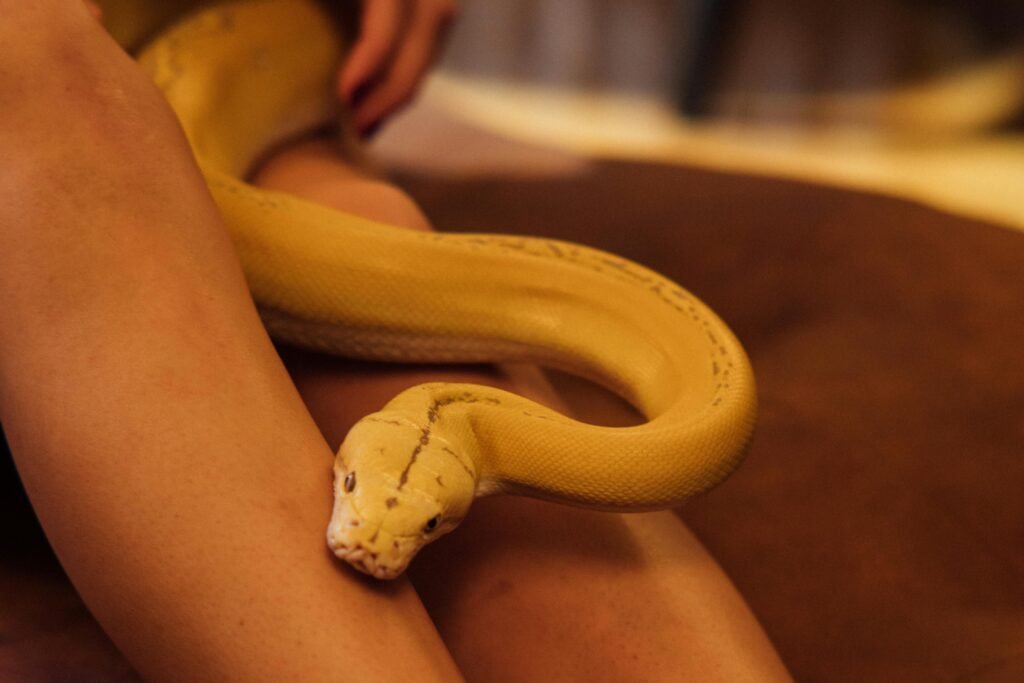
Environmental conditions play a crucial role in parasite prevention for ball pythons, yet many keepers overlook this connection. While proper humidity and temperature are essential for respiratory health and shedding, these same parameters directly influence parasite loads, mite infestations, and your snake’s immune response. Understanding how to maintain optimal conditions creates an inhospitable environment for parasites while strengthening your ball python’s natural defenses against infection.
The Connection Between Environmental Conditions and Parasite Resistance
Ball pythons maintained at improper temperatures and humidity levels experience chronic stress that suppresses their immune systems. When a ball python’s body temperature drops below 75°F consistently, metabolic processes slow dramatically, including immune function. This immunosuppression makes your snake vulnerable to parasitic infections that a healthy immune system would normally control.
Humidity extremes create equally problematic conditions. Low humidity below 40% causes dehydration and damages respiratory tissues, creating entry points for parasites. Conversely, humidity consistently above 70% promotes bacterial and fungal growth that weakens skin barriers and allows parasitic penetration. The sweet spot for parasite prevention lies in maintaining 50-60% ambient humidity with proper temperature gradients.
Research on reptile immunity demonstrates that ball pythons kept at optimal temperatures produce significantly more white blood cells and antibodies. A properly thermoregulated snake can mount effective immune responses against internal parasites like nematodes, cestodes, and protozoans that would otherwise establish heavy infections in stressed individuals.
Worried About Your Reptile's Health?
Upload a photo and get instant AI health analysis. Catch problems before they become expensive vet bills.
Get Free Health Check →Optimal Temperature Ranges for Parasite Prevention
Creating the correct temperature gradient is your first line of defense against parasites. Ball pythons require a warm side basking spot of 88-92°F, a cool side of 78-80°F, and nighttime temperatures that don’t drop below 75°F. These specific ranges aren’t arbitrary—they’re based on the temperatures ball pythons need to maintain optimal immune function and digestive efficiency.
The warm side temperature allows your ball python to properly digest food, which is critical for parasite prevention. Incomplete digestion at lower temperatures creates partially digested food that ferments in the gut, altering pH levels and creating favorable conditions for parasitic overgrowth. Cryptosporidium and other protozoans particularly thrive when digestive efficiency drops due to inadequate temperatures.
Monitor temperatures using digital thermometers with probes placed at substrate level on both the warm and cool ends. Infrared temperature guns provide accurate surface readings for basking spots. Never rely on analog stick-on thermometers, as they’re notoriously inaccurate and can lead to temperature fluctuations that stress your snake and compromise parasite resistance.
Undertank heating pads or radiant heat panels work best for ball pythons, as they provide belly heat that aids digestion. Always connect heating elements to thermostats set at precise temperatures. Temperature fluctuations of more than 5°F stress ball pythons and create windows of vulnerability where parasitic infections can establish.
Never Miss Early Warning Signs
AI photo analysis catches subtle health issues humans miss 80% of the time. Early detection = healthier reptile + lower vet bills.
Start Free Trial →Humidity Control Strategies That Prevent Mites and Internal Parasites
Maintaining 50-60% humidity prevents the two most common parasite-related problems in ball pythons: snake mites and respiratory infections that predispose to parasitic complications. Snake mites (Ophionyssus natricis) reproduce rapidly in humidity above 70%, with eggs hatching in just 2-3 days under warm, humid conditions. By keeping humidity in the optimal range, you extend the mite reproductive cycle and reduce population explosions.
Use digital hygrometers placed at mid-level in the enclosure to monitor humidity accurately. Cheap analog hygrometers often read 10-20% off, leading to conditions that either desiccate your snake or create breeding grounds for parasites. Check humidity readings twice daily, as levels fluctuate significantly between day and night cycles.
Provide a humid hide with damp sphagnum moss on the warm side of the enclosure. This microenvironment gives your ball python access to higher humidity when needed for shedding without raising overall enclosure humidity to levels that promote parasite problems. Replace moss every 3-4 days to prevent bacterial and fungal growth that can harbor parasitic cysts and eggs.
Substrate choice significantly impacts both humidity retention and parasite control. Cypress mulch and coconut husk maintain appropriate humidity levels while being naturally antimicrobial. Avoid substrates that hold excessive moisture like soil-based mixes, as these create anaerobic pockets where parasitic larvae thrive. Never use cedar or pine, as aromatic oils suppress immune function and increase parasite susceptibility.
Join thousands of successful reptile owners
Try ReptileCoach Free →How Temperature Affects Parasite Life Cycles
Many reptile parasites are ectothermic, meaning their development rates depend entirely on environmental temperature. Snake mites complete their life cycle in 7 days at 85°F but take 13-20 days at 75°F. This temperature dependency gives you a strategic advantage: maintaining consistent temperatures in the optimal range for your ball python creates less favorable conditions for rapid parasite reproduction.
Internal parasites also respond to temperature variations. Nematode eggs passed in feces develop into infective larvae faster at warmer temperatures. If enclosure temperatures regularly exceed 90°F in areas where feces accumulate, you’re accelerating parasite development. This is why hot spots should be localized to basking areas, not spread across the entire enclosure.
Temperature fluctuations stress ball pythons and trigger behavioral changes that increase parasite exposure. A cold snake spends more time hiding in substrate and tight spaces where mites congregate. A stressed snake also produces excess mucus and has altered gut pH, creating favorable conditions for protozoal parasites like Entamoeba and Hexamita to proliferate.
Quarantine Protocols Using Environmental Control
When introducing new ball pythons, environmental manipulation serves as a powerful parasite management tool during quarantine. House new snakes in separate rooms with their own temperature and humidity equipment to prevent cross-contamination. Set quarantine enclosures at the higher end of optimal temperatures (90°F warm side) to boost immune function while the snake adjusts to captivity stress.
"This app saved my bearded dragon's life. The AI caught early MBD in photos I thought looked completely normal. Worth every penny!"
— Sarah K., ReptileCoach User
Get Your Free 7-Day Trial →Maintain quarantine humidity at 55-58%—high enough to prevent dehydration but low enough to inhibit mite reproduction if present. Use paper towels as substrate during quarantine for easy monitoring of feces and mites. Check paper daily for moving specks (mites) or abnormal feces that might indicate internal parasites.
Keep quarantine periods at 90 days minimum, as this timeframe allows most parasitic infections to become apparent. During quarantine, maintain rock-solid temperature and humidity parameters to eliminate environmental stress as a variable when assessing the snake’s health. Any parasitic symptoms that emerge are then clearly from existing infections rather than husbandry-induced problems.
Seasonal Adjustments for Year-Round Parasite Prevention
Ball pythons benefit from subtle seasonal temperature variations that mimic their natural West African climate, but these adjustments must be carefully managed to maintain parasite resistance. During winter months (November-February), you can drop nighttime temperatures to 72-75°F to stimulate natural breeding behavior, but daytime temperatures should remain at standard levels to maintain immune function.
Winter heating challenges often lead to humidity drops that stress ball pythons and compromise skin integrity, creating entry points for ectoparasites. Combat dry winter air by placing the water bowl on the warm side to increase evaporation, or use a reptile fogger on a timer for 2-3 hours nightly. Monitor closely to prevent humidity spikes above 65% that favor mite reproduction.
Worried About Your Reptile's Health?
Upload a photo and get instant AI health analysis. Catch problems before they become expensive vet bills.
Get Free Health Check →Summer presents opposite challenges, with ambient room temperatures potentially causing enclosure overheating. Temperatures above 95°F cause heat stress that suppresses immunity and allows parasitic overgrowth. Use thermostats with cooling functions or adjust heating elements to maintain proper gradients even when room temperatures rise. Consider moving enclosures away from windows where direct sunlight causes temperature spikes.
Cleaning Protocols That Complement Environmental Control
Even perfect temperature and humidity won’t prevent parasites if enclosure hygiene is neglected. Spot-clean feces daily, as parasitic eggs and larvae concentrate in waste material. At optimal temperatures, many parasite eggs become infective within 24-48 hours, so prompt removal is essential. Use disposable gloves and dedicated cleaning tools for each snake to prevent cross-contamination.
Perform complete substrate changes every 4-6 weeks, or immediately if you detect parasites. During changes, disinfect all surfaces with a reptile-safe disinfectant or 10% bleach solution, then rinse thoroughly and allow to dry completely. Parasitic cysts and eggs are remarkably resistant to desiccation, so chemical disinfection is necessary—heat alone isn’t sufficient.
Clean water bowls daily with hot water and reptile-safe soap. Some internal parasites like Cryptosporidium can survive in water sources, creating reinfection cycles. Use separate water bowls for each snake, never sharing between individuals. Soak and disinfect water bowls weekly with bleach solution to eliminate parasitic cysts that regular washing misses.
Never Miss Early Warning Signs
AI photo analysis catches subtle health issues humans miss 80% of the time. Early detection = healthier reptile + lower vet bills.
Start Free Trial →Monitoring Your Ball Python’s Response to Environmental Conditions
Regular health assessments help you identify whether your environmental parameters are successfully preventing parasites. A ball python with optimal temperature and humidity regulation displays bright, clear eyes, smooth muscle tone, and regular feeding responses. Weight should remain stable with gradual growth in juveniles. Track weight monthly to detect the slow weight loss characteristic of parasitic infections.
Examine your ball python’s skin during handling for signs of mites: tiny black or red specks that move, white dusty residue (mite feces), or small wounds from mite feeding. Check around the eyes, under the chin, and in skin folds where mites congregate. If you find mites despite proper humidity control, your temperature may be too high, accelerating their reproduction beyond what humidity control can manage.
Monitor feces for signs of internal parasites. Normal ball python feces are brown, well-formed, and accompanied by white urates. Parasitic infections cause runny, discolored, or foul-smelling feces, often with visible worms or mucus. Collect fresh samples in sealed containers and refrigerate for veterinary examination within 24 hours. Even with perfect husbandry, annual fecal examinations are recommended for parasite screening.
Building Parasite Resistance Through Optimal Husbandry
Long-term parasite prevention requires consistent environmental management that supports robust immune function. Ball pythons maintained at proper temperatures and humidity for extended periods develop stronger immune systems capable of controlling low-level parasite exposures that would overwhelm stressed snakes. Think of environmental control as building your snake’s resilience rather than simply preventing immediate problems.
Join thousands of successful reptile owners
Try ReptileCoach Free →Document your temperature and humidity readings in a husbandry log. Note any fluctuations and correlate them with health changes. Over time, you’ll identify patterns—perhaps humidity drops during heating season correlate with incomplete sheds that damage skin barriers, or temperature spikes in summer coincide with reduced feeding that affects digestive efficiency and parasite control.
Invest in quality equipment with backup systems. A thermostat failure that allows temperatures to drop overnight can stress your ball python enough to allow parasitic establishment. Keep spare thermostats, heat sources, and monitoring equipment on hand. The cost of redundancy is minimal compared to treating parasitic infections complicated by environmental stress.
Conclusion: Environmental Control as Preventive Medicine
Proper humidity and temperature management forms the foundation of parasite prevention in ball pythons. By maintaining 50-60% humidity and temperature gradients of 88-92°F on the warm side and 78-80°F on the cool side, you create conditions that support optimal immune function while inhibiting parasite reproduction. These parameters aren’t luxuries—they’re essential preventive medicine that reduces parasite loads, prevents mite infestations, and strengthens your snake’s natural defenses. Combined with proper quarantine protocols, regular cleaning, and health monitoring, environmental control gives your ball python the best possible defense against parasitic infections. Remember that consistency matters more than perfection; stable conditions within the optimal ranges provide better parasite prevention than sporadic attempts at ideal parameters. Make environmental monitoring part of your daily routine, and you’ll significantly reduce your ball python’s parasite risk while promoting overall health and longevity.
Ready to Give Your Reptile the Best Care?
Stop guessing and start knowing. Get personalized AI-powered care guidance, photo health analysis, and 24/7 expert advice for YOUR specific reptile.
Get Personalized Care Guidance
AI-powered photo analysis and daily care tracking for YOUR reptile
Try Free for 7 Days →