
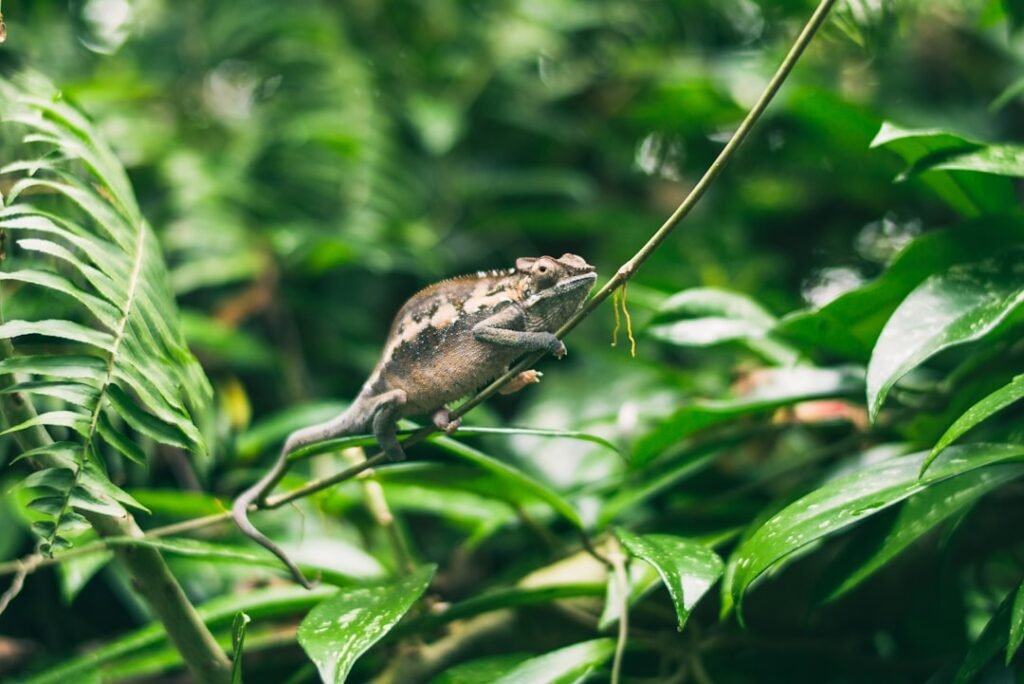
Natural disasters don’t give advance notice, and when evacuation orders come, chameleon owners face unique challenges that dog and cat owners never encounter. Your chameleon’s specialized environmental needs, stress sensitivity, and complex husbandry requirements mean you can’t simply grab a carrier and go. Whether you’re facing wildfires, hurricanes, floods, or other emergencies, having a comprehensive evacuation plan specifically designed for your chameleon could mean the difference between life and death for your arboreal companion. This guide provides the detailed, actionable steps you need to safely evacuate with your chameleon and maintain their health during one of the most stressful situations imaginable.
Building Your Chameleon Emergency Evacuation Kit
Your chameleon’s evacuation kit should be prepared well before any disaster strikes and stored in an easily accessible location. Start with a sturdy, ventilated transport container that’s specifically designed for your chameleon’s size. A medium to large Kritter Keeper or similar plastic enclosure with secure ventilation holes works well for most species. Line the bottom with paper towels for easy cleanup and include several sturdy branches or artificial vines secured with zip ties to provide climbing opportunities during transport.
Pack a dedicated emergency supply bag containing at least two weeks’ worth of essential items. Include your chameleon’s regular supplements in waterproof containers, a spray bottle for misting, backup thermometers and hygrometers, and a small LED flashlight for nighttime checks. Add a battery-powered or USB-rechargeable heat source like hand warmers or a portable heating pad, as maintaining proper temperatures during evacuation is critical. Include several days’ worth of live feeders in a separate, ventilated container with food for the insects themselves, or pack freeze-dried insects as a backup option.
Document everything about your chameleon’s care in a waterproof folder. Include recent photos from multiple angles showing your chameleon’s normal coloration and any identifying marks, veterinary records including proof of ownership, your exotic vet’s contact information, and detailed care instructions including feeding schedule, misting routine, temperature and humidity requirements, and any medications or special needs. This documentation becomes invaluable if you’re separated from your chameleon or need to leave them temporarily with someone unfamiliar with their care.
Worried About Your Reptile's Health?
Upload a photo and get instant AI health analysis. Catch problems before they become expensive vet bills.
Get Free Health Check →Creating a Temporary Habitat During Evacuation
Once you’ve evacuated to a safe location, your chameleon cannot remain in their transport container indefinitely. Pack a collapsible mesh enclosure or small pop-up habitat that can serve as temporary housing. A medium-sized Reptibreeze or similar screen cage that folds flat for storage is ideal, as it provides proper ventilation while being portable. Include artificial plants and vines that can quickly transform the temporary enclosure into a suitable habitat, along with zip ties and small Command hooks for securing branches and foliage.
Temperature regulation in temporary housing presents significant challenges, especially in shelters or hotel rooms where you have limited control over the environment. Pack a compact ceramic heat emitter or low-wattage basking bulb with a clamp lamp fixture, ensuring you have the appropriate wattage for a smaller enclosure. Bring extension cords and a reliable thermometer to monitor temperatures constantly. If electricity is unavailable, chemical heat packs designed for reptile shipping can maintain warmth for 24-72 hours when placed properly outside the enclosure, never in direct contact with your chameleon.
Humidity maintenance becomes equally critical in temporary situations. Pack a portable humidifier if space allows, or plan to mist more frequently using bottled water. Bring several spray bottles so you always have a backup. Include plastic sheeting or shower curtain material that can partially cover the temporary enclosure to help retain humidity without blocking ventilation. Monitor humidity levels closely, as stress combined with improper humidity can quickly lead to respiratory issues or dehydration.
Safe Transport Techniques for Chameleons
The actual process of moving your chameleon into their transport container requires careful planning to minimize stress. Never attempt to evacuate during your chameleon’s active hours if possible; they’re calmer and easier to handle during their sleep cycle when lights are off. Approach slowly in dim lighting, allowing them to grip a branch or your hand rather than grabbing them. Place them gently in the transport container with secure branches already positioned for climbing.
Never Miss Early Warning Signs
AI photo analysis catches subtle health issues humans miss 80% of the time. Early detection = healthier reptile + lower vet bills.
Start Free Trial →During vehicle transport, secure the container where it won’t slide or tip, away from direct sunlight and air conditioning vents. The floor behind the front seats often provides the most stable, temperature-controlled location. Cover the container partially with a light towel to reduce visual stress while maintaining ventilation. Never place your chameleon in the trunk or truck bed, where temperature extremes and poor ventilation can quickly become fatal.
Monitor your chameleon frequently during transport without excessive handling or disturbance. Check for signs of overheating like gaping mouth, extremely dark coloration, or lethargy, or signs of being too cold like very pale coloration and minimal movement. Adjust your vehicle’s temperature accordingly, remembering that the container’s internal temperature may differ significantly from the cabin temperature. Plan rest stops where you can safely check on your chameleon and offer water via misting if the journey extends beyond a few hours.
Managing Feeding and Hydration During Emergencies
Your chameleon’s feeding schedule will inevitably be disrupted during evacuation, but maintaining nutrition remains important for their health and stress resilience. If you’ve evacuated with live feeders, continue offering appropriately-sized insects, though your chameleon may refuse food initially due to stress. Don’t force feeding, but make insects available daily. Gut-load feeders with nutritious foods even during evacuation to maximize the nutritional value of any insects your chameleon does consume.
Hydration takes priority over feeding during emergencies. Chameleons can survive weeks without food but only days without water. Mist your chameleon’s temporary enclosure at least twice daily, preferably three to four times, ensuring they have opportunities to drink. Watch for drinking behavior and check for sunken eyes or skin tenting, which indicate dehydration. If your chameleon isn’t drinking from misting, try offering water via a dropper placed near their mouth, allowing drops to fall slowly where they can see and lick them.
Join thousands of successful reptile owners
Try ReptileCoach Free →If you’re in a shelter or location where keeping live insects isn’t possible, freeze-dried or canned insects can serve as temporary alternatives for some chameleon species. Rehydrate freeze-dried insects in water with a drop of liquid calcium before offering them. Some chameleons will accept these alternatives when hungry, though many will refuse anything but live prey. In extreme situations where feeding becomes impossible, focus entirely on hydration and maintaining proper temperatures until you can access appropriate food sources.
Stress Reduction Strategies in Emergency Situations
Chameleons are exceptionally sensitive to stress, and evacuation represents one of the most stressful experiences they can endure. Minimize handling to only what’s absolutely necessary for health checks and enclosure maintenance. Create visual barriers around their temporary enclosure using towels, sheets, or cardboard to reduce their exposure to unfamiliar sights and activity. Position the enclosure in the quietest available location, away from doors, windows, and high-traffic areas.
Maintain as much routine as possible despite the circumstances. Keep the same lighting schedule your chameleon is accustomed to, using battery-powered LED lights if necessary. Stick to familiar misting and feeding times. This consistency provides psychological stability during an otherwise chaotic situation. Avoid introducing new foods, supplements, or care practices during evacuation unless medically necessary.
Watch for severe stress indicators that may require intervention. Prolonged dark stress coloration, refusing to eat or drink for more than three days, remaining at the bottom of the enclosure, or showing signs of aggression or extreme fear all warrant concern. If your chameleon displays these behaviors and you have access to veterinary care, seek professional guidance. Sometimes anti-stress medications or subcutaneous fluids may be necessary to help your chameleon survive particularly prolonged or traumatic evacuations.
"This app saved my bearded dragon's life. The AI caught early MBD in photos I thought looked completely normal. Worth every penny!"
— Sarah K., ReptileCoach User
Get Your Free 7-Day Trial →Planning for Extended Displacement
Some disasters result in displacement lasting weeks or even months. If you cannot return home quickly, you’ll need to transition from emergency transport mode to establishing a more permanent temporary setup. Research reptile-friendly hotels, extended-stay accommodations, or friends and family who can house you and your chameleon. Many pet-friendly hotels don’t specifically prohibit reptiles, though you should always disclose that you have a chameleon to avoid issues.
Upgrade your temporary enclosure to something more suitable for long-term housing if your displacement extends beyond a week. A full-sized screen cage with proper UVB lighting, adequate branches and plants, and appropriate heating becomes necessary for your chameleon’s health. You may need to order supplies online and have them shipped to your temporary location. Establish relationships with local reptile stores or veterinarians in your evacuation area who can provide feeders and emergency care if needed.
Continue monitoring your chameleon’s health closely during extended displacement. Weight loss, changes in defecation patterns, respiratory issues, or behavioral changes may develop over time. Keep detailed notes about eating, drinking, and behavior to help identify problems early. Remember that even after the immediate danger passes, your chameleon may experience ongoing stress that affects their health for weeks or months.
Special Considerations for Different Chameleon Species
Different chameleon species have varying evacuation needs based on their specific environmental requirements. Veiled chameleons, being relatively hardy and tolerant of temperature fluctuations, generally handle evacuation stress better than more sensitive species. They can tolerate slightly lower humidity during short-term emergencies, though you should still maintain misting schedules as closely as possible.
Worried About Your Reptile's Health?
Upload a photo and get instant AI health analysis. Catch problems before they become expensive vet bills.
Get Free Health Check →Panther chameleons require more careful temperature and humidity monitoring during evacuation. They’re less tolerant of temperature drops and need consistent warmth, especially at night. Pack extra heat sources specifically for panther chameleons, and prioritize finding accommodations where you can control the temperature. Their higher humidity requirements mean you’ll need to mist more frequently and possibly use additional humidity-retention methods.
Jackson’s chameleons and other montane species present unique challenges because they require cooler temperatures than most chameleons. During summer evacuations, keeping them cool enough may be more difficult than keeping other species warm. Pack portable fans, and seek accommodations with air conditioning. These species also need higher humidity and excellent ventilation, making their temporary housing setup more complex. Never use heat sources with montane species unless temperatures drop dangerously low.
Preparing for Different Disaster Scenarios
Different types of disasters require different preparation strategies. For hurricanes and tropical storms, you typically have several days’ warning, allowing time to prepare your evacuation kit, secure supplies, and plan your route. Use this time to ensure all equipment is functional, feeders are well-stocked, and your chameleon is in good health before evacuation. Identify multiple evacuation routes and destinations in case your primary plan becomes impossible.
Wildfires may provide less warning and require faster action. Keep your evacuation kit completely ready during fire season, with all supplies packed and the transport container easily accessible. Know your evacuation routes and have a plan for where you’ll go. Air quality becomes a serious concern during wildfires; if you’re sheltering in place before evacuation, keep your chameleon’s enclosure away from windows and consider using air purifiers to reduce smoke exposure.
Never Miss Early Warning Signs
AI photo analysis catches subtle health issues humans miss 80% of the time. Early detection = healthier reptile + lower vet bills.
Start Free Trial →Floods and flash floods may trap you without warning. If flooding is possible in your area, keep your chameleon’s enclosure elevated off the ground, and store evacuation supplies on upper floors or high shelves. Have a waterproof container ready to protect your chameleon’s documentation and supplies. In severe flooding situations where rescue is required, having your chameleon in their transport container with identification attached can prevent separation during rescue operations.
Working with Emergency Shelters and Accommodations
Not all emergency shelters accept pets, and even fewer specifically accommodate reptiles. Research pet-friendly shelters in potential evacuation areas before disasters strike. Contact them directly to confirm they accept reptiles and ask about any specific requirements or restrictions. Some shelters have separate areas for exotic pets, while others may require you to keep your chameleon in your assigned space.
When staying in shelters, be an exemplary reptile owner to help change perceptions about exotic pets. Keep your chameleon’s area scrupulously clean, contain any feeders securely, and ensure your setup doesn’t disturb other evacuees. Educate shelter staff and other evacuees politely about your chameleon’s needs if they express interest, but respect that many people are uncomfortable around reptiles and maintain appropriate distance.
Hotels and motels vary widely in their reptile policies. Call ahead to explain exactly what species you have and what your setup requires. Be honest about needing to keep live insects and use heating equipment. Offer to pay pet deposits and explain that chameleons are quiet, contained, and won’t damage property. Having documentation of your chameleon’s value and your responsible ownership can help convince hesitant managers to make exceptions.
Join thousands of successful reptile owners
Try ReptileCoach Free →Post-Evacuation Transition and Recovery
Returning home after evacuation requires careful planning to ensure your chameleon’s safety. Before bringing your chameleon back into their regular enclosure, verify that all equipment is functioning properly, temperatures and humidity are stable, and the environment is safe. Check for any damage, pest infestations, or environmental contamination that could harm your chameleon.
Transition your chameleon gradually back to their normal routine. They may continue showing stress behaviors for days or weeks after returning home. Maintain extra vigilance about hydration and nutrition during this recovery period. Some chameleons develop long-term behavioral changes after traumatic evacuations, becoming more skittish or defensive. Patience and consistent, gentle care usually help them recover their normal temperament over time.
Use your evacuation experience to improve your emergency preparedness for future disasters. Note what supplies you used most, what you wished you had packed, and what aspects of your plan worked or failed. Update your evacuation kit based on these lessons, replace any used supplies, and refine your procedures. Share your experiences with other chameleon owners to help the reptile community better prepare for emergencies.
Conclusion
Evacuating with a chameleon demands significantly more preparation and specialized knowledge than evacuating with traditional pets, but with proper planning, you can keep your chameleon safe through even the most challenging disasters. Build a comprehensive evacuation kit well before any emergency strikes, practice your evacuation procedures, and maintain detailed care documentation. Remember that your chameleon’s survival depends entirely on your preparation and ability to maintain their specialized environmental needs under difficult circumstances. By following the strategies outlined in this guide, creating species-appropriate temporary housing, managing stress effectively, and planning for various disaster scenarios, you can ensure that when disaster strikes, you’re ready to protect your chameleon’s health and safety. The time you invest in emergency preparedness now could save your chameleon’s life when minutes matter most, giving you the confidence to face any disaster knowing you can keep your scaled companion safe.
"This app saved my bearded dragon's life. The AI caught early MBD in photos I thought looked completely normal. Worth every penny!"
— Sarah K., ReptileCoach User
Get Your Free 7-Day Trial →Ready to Give Your Reptile the Best Care?
Stop guessing and start knowing. Get personalized AI-powered care guidance, photo health analysis, and 24/7 expert advice for YOUR specific reptile.
Get Personalized Care Guidance
AI-powered photo analysis and daily care tracking for YOUR reptile
Try Free for 7 Days →