
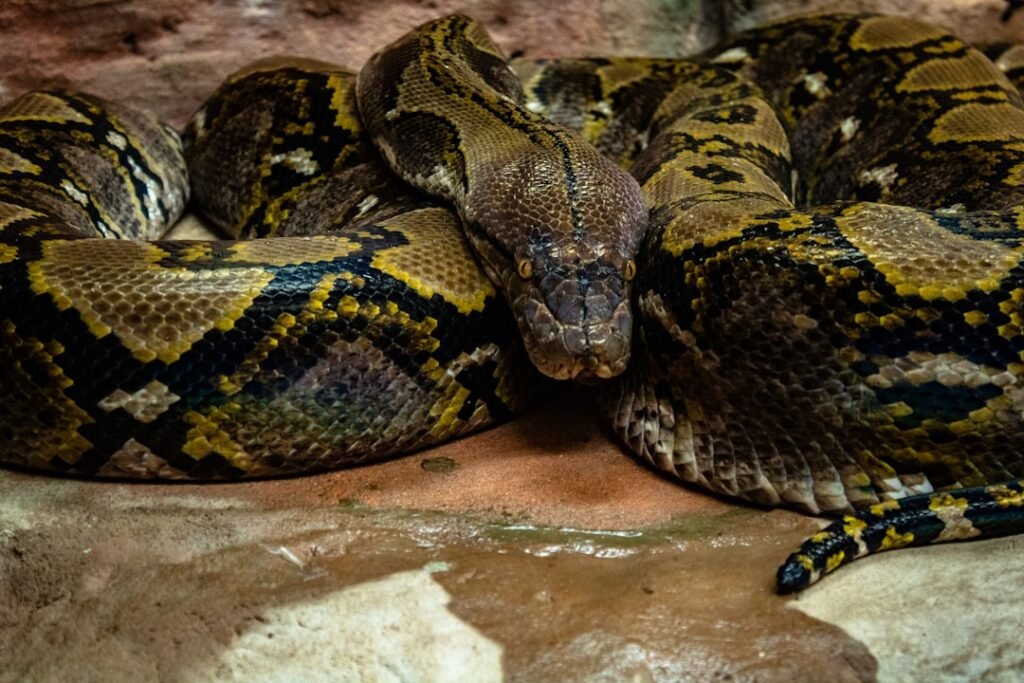
Getting the temperature right in your reticulated python’s enclosure isn’t just about hitting random numbers—it’s about creating a thermal gradient that allows your snake to thermoregulate naturally. The relationship between your basking spot and ambient temperatures can mean the difference between a thriving python and one that struggles with digestion, immune function, and overall health. Understanding this ratio is one of the most critical aspects of reticulated python care, yet it’s often misunderstood or oversimplified by new keepers.
The Essential Temperature Ratio Explained
The ideal temperature setup for reticulated pythons follows a specific pattern that mimics their natural Indonesian habitat. Your basking spot should reach between 88-92°F (31-33°C), while the ambient temperature on the warm side should maintain 80-85°F (27-29°C). The cool side ambient temperature should drop to 75-80°F (24-27°C). This creates approximately a 10-15 degree differential between your basking spot and warm side ambient, and a 15-20 degree range from hot to cool.
This ratio isn’t arbitrary. Reticulated pythons are behavioral thermoregulators, meaning they move between temperature zones to control their body temperature. When they need to warm up for digestion or activity, they move to the basking area. When they’ve absorbed enough heat, they retreat to cooler zones. Without this gradient, your python loses the ability to self-regulate, which can lead to serious health complications over time.
Why the Ratio Matters More Than Absolute Numbers
Many keepers focus obsessively on hitting exact temperature numbers without understanding that the gradient itself is what matters most. A basking spot of 90°F means nothing if your ambient temperature is also 90°F—you’ve created a hot box, not a functional habitat. The ratio between these zones gives your python choices, and choice is fundamental to reptile welfare.
Worried About Your Reptile's Health?
Upload a photo and get instant AI health analysis. Catch problems before they become expensive vet bills.
Get Free Health Check →When the temperature differential is too small (less than 8-10 degrees between basking and ambient), your python cannot effectively thermoregulate. It may spend excessive time trying to find the “right” temperature, leading to stress and reduced activity. Conversely, if the differential is too large (more than 20 degrees), your python may avoid the basking spot entirely because the transition is too extreme, or it may overheat before realizing it needs to move.
The ambient temperature serves as the baseline thermal environment where your python will spend most of its time. The basking spot is a targeted heat source for specific purposes like digestion, which requires elevated body temperatures. Understanding this functional difference helps you set up your heating equipment correctly.
Setting Up Your Heat Sources for Optimal Ratios
Achieving the correct ratio requires strategic placement and selection of heating equipment. For reticulated pythons, which can grow quite large, you’ll typically need multiple heat sources working in concert. A radiant heat panel or ceramic heat emitter works excellently for maintaining ambient temperatures throughout the enclosure, while a halogen flood bulb or deep heat projector creates the focused basking spot.
Position your basking heat source over approximately one-third of the enclosure’s length. This creates a natural temperature gradient as the heat dissipates toward the cool end. The ambient heat source should be positioned to maintain the warm side temperature without creating additional hot spots. Many successful keepers use overhead heating exclusively, as it mimics natural sunlight and creates more intuitive thermal gradients than under-tank heaters.
Never Miss Early Warning Signs
AI photo analysis catches subtle health issues humans miss 80% of the time. Early detection = healthier reptile + lower vet bills.
Start Free Trial →The height and wattage of your heat sources will need adjustment based on your enclosure size and material. Glass enclosures lose heat more quickly than PVC or wood, requiring more powerful heating. Start with lower wattages and increase as needed—it’s easier to add heat than remove it. Always use thermostats with your heat sources to prevent dangerous temperature spikes and maintain consistent ratios throughout the day.
Monitoring Temperatures Accurately
You cannot manage what you don’t measure, and temperature monitoring is where many keepers fail. You need multiple temperature readings at different locations and heights within the enclosure. Place one thermometer probe directly under the basking spot at the level where your python’s body would be when basking. Position another probe on the warm side but away from direct heat, and a third on the cool side.
Infrared temperature guns are invaluable tools for spot-checking surface temperatures and identifying hot or cold spots you might have missed. Take readings at multiple times throughout the day, as temperatures naturally fluctuate with your home’s ambient conditions. What works in winter may create dangerously high temperatures in summer without adjustment.
Digital thermometers with remote probes are more accurate than analog stick-on thermometers, which often read 5-10 degrees off and only measure the glass surface rather than the air temperature. Invest in quality monitoring equipment—it’s far cheaper than veterinary bills for thermal burns or respiratory infections caused by improper temperatures.
Join thousands of successful reptile owners
Try ReptileCoach Free →Adjusting Ratios for Life Stages and Conditions
The ideal temperature ratio shifts slightly depending on your python’s age and physiological state. Juvenile reticulated pythons benefit from slightly higher ambient temperatures (82-86°F on the warm side) because their smaller body mass makes them more susceptible to temperature fluctuations. They still need the same gradient ratio, but the entire range shifts upward by 2-4 degrees.
During digestion, your python will seek out the basking spot more frequently to elevate its body temperature for optimal enzyme activity. This is why maintaining that 88-92°F basking temperature is crucial—it’s the target temperature for efficient digestion. If your basking spot is too cool, digestion slows, increasing the risk of regurgitation or bacterial growth in the gut.
Females preparing for breeding or gravid females require access to slightly elevated temperatures. Increase your basking spot to the higher end of the range (91-92°F) while maintaining the same ratio to ambient temperatures. This supports follicle development and embryo growth without overheating the entire enclosure.
Common Temperature Ratio Mistakes to Avoid
The most frequent error is creating a uniform temperature throughout the enclosure by using heat sources that are too powerful or poorly positioned. This often happens when keepers use under-tank heaters as their primary heat source, which warms the entire floor rather than creating a gradient. The result is a python that cannot thermoregulate and may develop chronic stress or health issues.
"This app saved my bearded dragon's life. The AI caught early MBD in photos I thought looked completely normal. Worth every penny!"
— Sarah K., ReptileCoach User
Get Your Free 7-Day Trial →Another common mistake is allowing nighttime temperatures to drop too dramatically. While a slight decrease is natural and healthy, dropping below 72°F can stress your python and compromise its immune system. Maintain your ambient temperatures at night, but you can turn off or dim the basking spot to create a natural day-night cycle. The ratio becomes less important at night since pythons are primarily nocturnal and won’t be actively basking.
Overcorrecting for perceived temperature problems causes unnecessary fluctuations. If you notice your python spending all its time on the cool side, the instinct is to increase heat. However, this often indicates the enclosure is already too warm. Check your ratios and ensure you haven’t created a hot box. Pythons naturally prefer cooler temperatures when not digesting or preparing to shed.
Seasonal Adjustments and Environmental Factors
Your home’s ambient temperature affects your enclosure’s thermal dynamics significantly. In summer, when your home is warmer, you may need to reduce heat source wattage or raise them higher to maintain proper ratios. In winter, the opposite applies. Some keepers find they need different heating setups for different seasons, particularly in regions with extreme temperature swings.
Humidity interacts with temperature in ways that affect how your python experiences heat. Higher humidity makes temperatures feel warmer to reptiles, just as it does for humans. During high humidity periods, you might need to slightly reduce your basking spot temperature to maintain the same effective thermal gradient. Monitor your python’s behavior as the best indicator of whether your ratios are working.
Worried About Your Reptile's Health?
Upload a photo and get instant AI health analysis. Catch problems before they become expensive vet bills.
Get Free Health Check →Room location matters too. Enclosures near windows experience more temperature fluctuation from sunlight and drafts. Those in basements may struggle to maintain adequate temperatures year-round. Consider these environmental factors when setting up your heating system and be prepared to make adjustments based on your specific situation.
Reading Your Python’s Thermal Behavior
Your reticulated python will tell you if your temperature ratios are correct through its behavior. A python with proper thermal options will move regularly between zones, spending time basking after meals and retreating to cooler areas between feeding. It should appear alert and active during its normal activity periods, with good muscle tone and regular feeding responses.
Warning signs of incorrect ratios include constant basking (enclosure too cool overall), perpetual hiding on the cool side (too hot or poor gradient), reduced appetite, sluggish movement, or spending excessive time soaking in the water bowl to cool down. These behaviors indicate your python cannot find comfortable temperatures and is stressed by the thermal environment.
After feeding, watch where your python positions itself. It should move to the warm side or directly under the basking spot for the first 24-48 hours of digestion. If it remains on the cool side, your basking spot may not be warm enough, or the gradient may be uncomfortable. Adjust gradually and observe how behavior changes in response.
Never Miss Early Warning Signs
AI photo analysis catches subtle health issues humans miss 80% of the time. Early detection = healthier reptile + lower vet bills.
Start Free Trial →Conclusion: Mastering the Temperature Balance
Creating the perfect basking spot to ambient temperature ratio for your reticulated python is both an art and a science. The 10-15 degree differential between your 88-92°F basking spot and 80-85°F warm side ambient, with a cool side around 75-80°F, provides the thermal gradient your python needs for optimal health. Remember that this ratio matters more than hitting exact numbers, as it gives your python the ability to thermoregulate naturally. Monitor temperatures carefully with quality equipment, adjust for life stages and seasons, and always let your python’s behavior guide your fine-tuning. With proper temperature management, your reticulated python will thrive, displaying natural behaviors, maintaining a healthy appetite, and living a long, healthy life in captivity. The time you invest in getting these ratios right pays dividends in reduced health problems and a more active, engaging pet.
Ready to Give Your Reptile the Best Care?
Stop guessing and start knowing. Get personalized AI-powered care guidance, photo health analysis, and 24/7 expert advice for YOUR specific reptile.
Get Personalized Care Guidance
AI-powered photo analysis and daily care tracking for YOUR reptile
Try Free for 7 Days →