
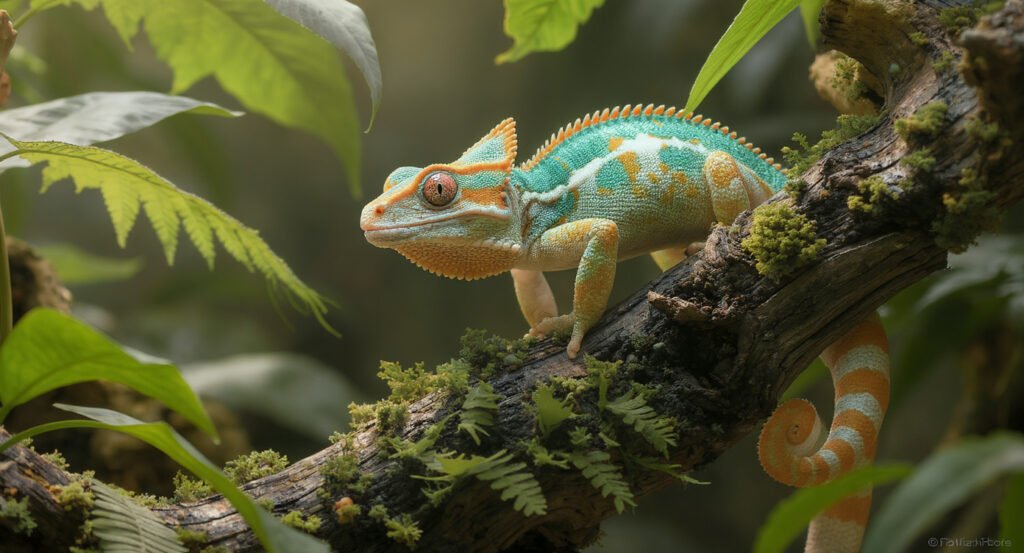
Crested geckos have become one of the most popular pet reptiles for both beginners and experienced reptile enthusiasts. These charming nocturnal creatures from New Caledonia are known for their distinctive eyelash-like crests, easy-going temperament, and relatively simple care requirements. This comprehensive crested gecko care guide will walk you through everything you need to know to keep your gecko healthy and thriving.
Understanding Your Crested Gecko
Before diving into care requirements, it’s important to understand what makes crested geckos unique. These arboreal reptiles were once thought to be extinct until their rediscovery in 1994. They’re semi-arboreal, meaning they spend most of their time climbing and jumping between branches in their natural habitat. Adult crested geckos typically reach 7-9 inches in length and can live 15-20 years with proper care, making them a long-term commitment.
Setting Up the Perfect Crested Gecko Habitat
Enclosure Size and Type
For a proper crested gecko setup, you’ll need a vertically-oriented terrarium since these geckos are natural climbers. A 20-gallon tall tank is the minimum for an adult crested gecko, though larger is always better. Juveniles can start in a 10-gallon tank, but you’ll need to upgrade as they grow. Glass terrariums with screen tops work excellently, providing good visibility while maintaining proper humidity levels.
Temperature and Humidity Requirements
Crested geckos thrive at room temperature, making them ideal pets for most homes. Maintain daytime temperatures between 72-78°F and nighttime temperatures between 65-75°F. Unlike many reptiles, crested geckos don’t require special heating equipment in most homes, though a low-wattage heat lamp may be necessary in cooler climates.
Worried About Your Reptile's Health?
Upload a photo and get instant AI health analysis. Catch problems before they become expensive vet bills.
Get Free Health Check →Humidity is crucial for crested gecko health. Aim for 60-80% humidity, which you can achieve by misting the enclosure twice daily—once in the morning and once in the evening. Use a hygrometer to monitor humidity levels accurately. Proper humidity supports healthy shedding and prevents dehydration.
Substrate and Decor
Choose a substrate that retains moisture while preventing mold growth. Popular options include coconut fiber, cypress mulch, or even paper towels for easy cleaning. Avoid pine, cedar, or sand, which can be harmful to your gecko.
Decorate the enclosure with plenty of vertical climbing spaces using cork bark, bamboo poles, and live or artificial plants. Crested geckos need multiple hiding spots at different heights to feel secure. Live plants like pothos, snake plants, and bromeliads not only look great but also help maintain humidity levels.
Crested Gecko Diet and Nutrition
One reason crested geckos make excellent pets is their simple dietary needs. Commercial crested gecko diet (CGD) powder provides complete nutrition when mixed with water to a ketchup-like consistency. Brands like Repashy and Pangea offer nutritionally balanced formulas that should form the foundation of your gecko’s diet.
Never Miss Early Warning Signs
AI photo analysis catches subtle health issues humans miss 80% of the time. Early detection = healthier reptile + lower vet bills.
Start Free Trial →Feed adult crested geckos every other day, offering fresh CGD in a small bowl. Remove uneaten food after 24 hours to prevent spoilage. You can supplement their diet with live insects like crickets, dubia roaches, or mealworms once or twice weekly for enrichment and additional protein. Dust insects with calcium powder before feeding.
Always provide fresh water in a shallow dish, though many crested geckos prefer to drink water droplets from leaves after misting.
Handling and Behavior
Crested geckos are generally docile and tolerate handling well, making them perfect for beginners. However, give new geckos at least a week to acclimate before attempting to handle them. When you do handle your gecko, be gentle and support their entire body. Avoid grabbing them by the tail, as crested geckos can drop their tails when stressed—and unlike some reptiles, the tail won’t grow back.
Handle your crested gecko for short sessions of 5-15 minutes, a few times per week. Watch for stress signals like tail waving, squeaking, or attempting to jump away. These nocturnal creatures are most active during evening hours, which is the best time for interaction.
Join thousands of successful reptile owners
Try ReptileCoach Free →Health and Wellness
Common Health Issues
While crested geckos are hardy reptiles, they can experience health problems if care requirements aren’t met. Watch for signs of metabolic bone disease (MBD), which results from calcium deficiency and appears as curved limbs, lethargy, or difficulty climbing. Prevent MBD by providing a proper diet and calcium supplementation.
Respiratory infections can occur if temperatures are too low or humidity is incorrect. Symptoms include wheezing, mucus around the mouth, and lethargy. Stuck shed, particularly around toes and the tail, indicates insufficient humidity.
Regular Health Checks
Perform weekly health checks on your crested gecko. Look for clear eyes, healthy skin without retained shed, a plump tail (indicating good fat stores), and alert behavior. Monitor their eating habits and bathroom patterns, as changes can indicate health issues. Weight checks every month help ensure your gecko maintains a healthy size.
Breeding Considerations
If you’re interested in breeding crested geckos, ensure both parents are at least 18 months old and in optimal health. Female crested geckos can store sperm and lay eggs multiple times after a single mating. Provide a lay box with moist substrate, and incubate eggs at 68-74°F. Breeding should only be attempted by experienced keepers who can properly care for offspring.
"This app saved my bearded dragon's life. The AI caught early MBD in photos I thought looked completely normal. Worth every penny!"
— Sarah K., ReptileCoach User
Get Your Free 7-Day Trial →Creating the Best Life for Your Crested Gecko
Successful crested gecko care combines proper housing, nutrition, and regular interaction. These remarkable reptiles reward good care with their charming personalities and beautiful appearance. Whether you’re a first-time reptile owner or adding to your collection, crested geckos offer an engaging and manageable pet experience.
Need personalized guidance for your crested gecko’s specific needs? Whether you’re troubleshooting a care issue or want to optimize your setup, expert advice can make all the difference. Get personalized advice from our AI reptile coach to ensure your gecko receives the best possible care tailored to your unique situation.
Final Thoughts on Crested Gecko Care
Crested gecko care doesn’t have to be complicated. By maintaining proper temperature and humidity, providing a varied diet based on quality commercial food, and creating a well-decorated vertical habitat, you’ll set the foundation for a healthy, happy gecko. Regular handling and observation will help you bond with your pet while catching any potential health issues early. With commitment and proper care, your crested gecko will thrive for many years, providing endless enjoyment and fascination as you watch them climb, jump, and explore their environment.
Ready to Give Your Reptile the Best Care?
Stop guessing and start knowing. Get personalized AI-powered care guidance, photo health analysis, and 24/7 expert advice for YOUR specific reptile.
Get Personalized Care Guidance
AI-powered photo analysis and daily care tracking for YOUR reptile
Try Free for 7 Days →