
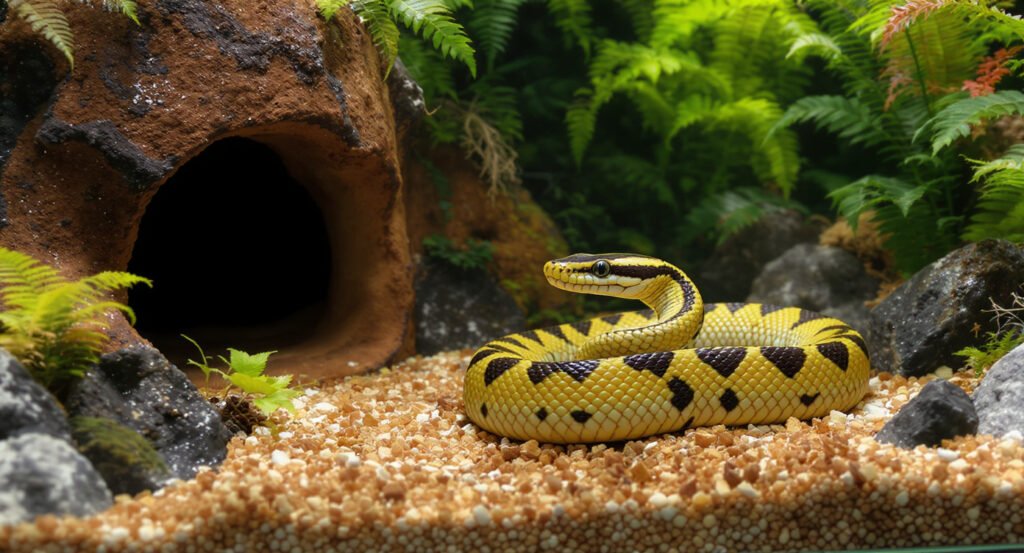
Setting up your first corn snake enclosure can feel overwhelming, but with the right guidance, you’ll create a thriving habitat for your new pet. Corn snakes are among the most popular pet reptiles for beginners due to their docile nature and manageable care requirements. This comprehensive guide will walk you through everything you need for the perfect corn snake setup.
Choosing the Right Enclosure Size
The foundation of any corn snake setup begins with selecting an appropriate enclosure. For hatchlings and juveniles, a 20-gallon tank provides adequate space. However, adult corn snakes, which typically reach 4-5 feet in length, require a minimum of 40 gallons, with larger enclosures being even better.
Glass terrariums with secure screen tops are the most popular choice among corn snake owners. These provide excellent visibility and maintain proper humidity levels. Alternatively, PVC enclosures offer superior heat retention and are lighter in weight. Whichever you choose, ensure the enclosure has a secure, locking lid—corn snakes are notorious escape artists.
Essential Heating and Temperature Requirements
Proper temperature gradients are critical for corn snake health. Your setup should include a warm side and a cool side, allowing your snake to thermoregulate naturally.
Worried About Your Reptile's Health?
Upload a photo and get instant AI health analysis. Catch problems before they become expensive vet bills.
Get Free Health Check →Temperature Zones
The warm side of the enclosure should maintain temperatures between 85-88°F, while the cool side should range from 70-75°F. This gradient enables your corn snake to move between zones based on its metabolic needs.
Under-tank heating pads (UTH) connected to a thermostat are the gold standard for corn snake setups. Place the heating pad under one-third of the tank’s footprint to create the warm zone. Always use a reliable thermostat to prevent overheating, which can be fatal. Digital thermometers placed on both sides of the enclosure help you monitor temperatures accurately.
Substrate Selection for Corn Snakes
Choosing the right substrate is essential for maintaining cleanliness and your snake’s comfort. Several options work well for corn snake setups:
Aspen shavings are the most popular choice. They’re absorbent, affordable, and allow natural burrowing behavior. Avoid cedar or pine shavings, as these contain harmful oils.
Never Miss Early Warning Signs
AI photo analysis catches subtle health issues humans miss 80% of the time. Early detection = healthier reptile + lower vet bills.
Start Free Trial →Cypress mulch retains humidity better than aspen, making it ideal if you struggle with dry conditions. It’s also resistant to mold and provides a natural appearance.
Paper-based bedding like newspaper or paper towels works excellently for quarantine or hatchlings. While less attractive, it’s hygienic and makes waste easy to spot.
Avoid substrates like sand, reptile carpet with loose fibers, or anything dusty that could cause respiratory issues.
Humidity Levels and Monitoring
Corn snakes thrive in moderate humidity levels between 40-60%. Proper humidity is crucial for healthy shedding—too low, and your snake may experience stuck shed; too high, and respiratory infections become a risk.
Join thousands of successful reptile owners
Try ReptileCoach Free →Invest in a reliable digital hygrometer to monitor humidity levels. Mist the enclosure lightly during shedding periods, and provide a humid hide filled with damp sphagnum moss to support the shedding process.
Hide Boxes and Enrichment
A proper corn snake setup must include at least two hide boxes: one on the warm side and one on the cool side. These provide security and help your snake feel safe, reducing stress levels.
Commercial reptile hides work perfectly, but you can also use inverted plastic containers with entrance holes cut out. Ensure the hides are snug—corn snakes prefer tight spaces where their bodies touch the sides.
Environmental Enrichment
While corn snakes don’t require elaborate setups, enrichment items enhance their quality of life. Consider adding:
"This app saved my bearded dragon's life. The AI caught early MBD in photos I thought looked completely normal. Worth every penny!"
— Sarah K., ReptileCoach User
Get Your Free 7-Day Trial →- Branches or driftwood for climbing (corn snakes are semi-arboreal)
- Artificial or live plants for cover and aesthetic appeal
- A variety of textures and levels within the enclosure
- Rearranging decor occasionally to provide novel exploration opportunities
Water Bowl Requirements
A sturdy, heavy water bowl is non-negotiable in your corn snake setup. The bowl should be large enough for your snake to soak its entire body if needed, especially during shedding periods.
Place the water bowl on the cool side of the enclosure to prevent excessive evaporation. Change the water daily and clean the bowl regularly with reptile-safe disinfectant to prevent bacterial growth.
Lighting Considerations
Unlike many reptiles, corn snakes don’t require UVB lighting to synthesize vitamin D3, as they obtain necessary nutrients from their prey. However, a natural day/night cycle benefits their circadian rhythm.
Room lighting often provides sufficient illumination, but you can use a low-wattage LED light on a 12-hour timer to establish a consistent photoperiod. This helps regulate feeding and activity patterns.
Worried About Your Reptile's Health?
Upload a photo and get instant AI health analysis. Catch problems before they become expensive vet bills.
Get Free Health Check →Initial Setup Costs and Budget Planning
Understanding the financial commitment helps beginners prepare adequately. Here’s a breakdown of typical initial costs:
- Enclosure: $50-150
- Heating equipment and thermostat: $40-80
- Substrate: $10-20
- Hides and decor: $30-60
- Water bowl: $10-20
- Thermometers and hygrometer: $15-30
Expect to invest $150-350 for a complete beginner corn snake setup. Monthly maintenance costs including substrate, electricity, and food typically range from $20-40.
Common Setup Mistakes to Avoid
Many beginners make preventable errors that compromise their snake’s health. Avoid housing multiple corn snakes together, as they’re solitary and can become stressed or cannibalistic. Never skip the thermostat—unregulated heat sources can cause severe burns.
Don’t place the enclosure in direct sunlight or near heating/cooling vents, as this creates unpredictable temperature fluctuations. Finally, resist the urge to handle your new corn snake immediately; allow at least 5-7 days for acclimation before the first handling session.
Never Miss Early Warning Signs
AI photo analysis catches subtle health issues humans miss 80% of the time. Early detection = healthier reptile + lower vet bills.
Start Free Trial →Get Expert Support for Your Corn Snake Journey
Creating the perfect corn snake setup is just the beginning of your reptile keeping adventure. Whether you’re troubleshooting humidity issues, wondering about feeding schedules, or simply want reassurance that you’re doing everything right, having access to expert guidance makes all the difference. Get personalized advice from our AI reptile coach to ensure your corn snake thrives for its entire 15-20 year lifespan. Our specialized platform provides instant answers to your specific questions, helping you become a confident and knowledgeable corn snake owner.
Final Thoughts on Corn Snake Setup
A proper corn snake setup balances functionality with your pet’s biological needs. By providing appropriate temperatures, humidity, hiding spots, and enrichment, you create an environment where your corn snake can display natural behaviors and thrive. Remember that observation is key—watch your snake’s behavior and adjust your setup accordingly. With patience, research, and attention to detail, you’ll enjoy many rewarding years with your beautiful corn snake companion.
Ready to Give Your Reptile the Best Care?
Stop guessing and start knowing. Get personalized AI-powered care guidance, photo health analysis, and 24/7 expert advice for YOUR specific reptile.
Get Personalized Care Guidance
AI-powered photo analysis and daily care tracking for YOUR reptile
Try Free for 7 Days →