
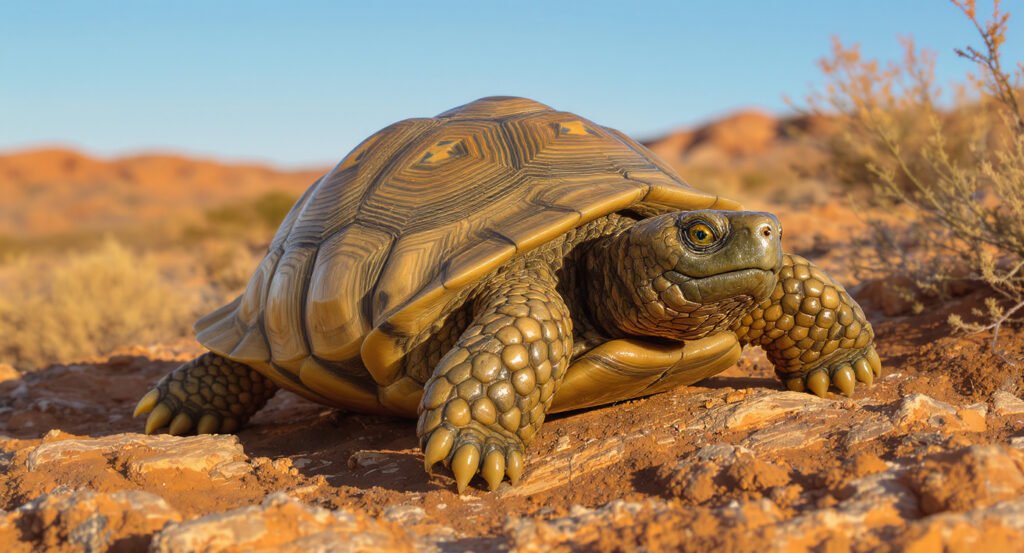
Russian tortoises (Agrionemys horsfieldii) are among the most popular pet tortoises for good reason. These hardy, personable reptiles adapt well to captivity and can live 40-50 years with proper care. Whether you’re considering adopting your first Russian tortoise or looking to improve your current care routine, this comprehensive guide covers everything you need to know.
Understanding Russian Tortoise Behavior and Characteristics
Native to the arid regions of Central Asia, Russian tortoises are small to medium-sized tortoises, typically reaching 8-10 inches in length. They’re known for their distinctive tan to brown shells with dark markings and their active, curious personalities. Unlike many reptiles, Russian tortoises are diurnal, meaning they’re most active during daylight hours, making them entertaining pets to observe.
These tortoises are natural burrowers and hibernate in the wild during extreme temperatures. Understanding these instincts is crucial for providing appropriate care in captivity.
Setting Up the Perfect Russian Tortoise Habitat
Enclosure Size and Type
Adult Russian tortoises require a minimum enclosure size of 8 square feet, though larger is always better. A tortoise table or custom-built enclosure works best, as glass tanks can cause stress and don’t provide adequate ventilation. Outdoor housing during warm months is ideal, but ensure the area is secure with walls buried at least 12 inches deep to prevent escape through digging.
Worried About Your Reptile's Health?
Upload a photo and get instant AI health analysis. Catch problems before they become expensive vet bills.
Get Free Health Check →Substrate Selection
Choose a substrate that allows for natural burrowing behavior. A mixture of topsoil and play sand (70/30 ratio) works excellently. Avoid cedar, pine, or other aromatic woods, as these can cause respiratory issues. The substrate should be 4-6 inches deep to accommodate digging instincts.
Temperature and Lighting Requirements
Russian tortoise care demands precise temperature control. Maintain a basking spot of 95-100°F and a cool side around 70-75°F. Nighttime temperatures can drop to 65-70°F. Use a quality thermometer to monitor temperatures accurately.
UVB lighting is non-negotiable for Russian tortoises. Provide a 10-12% UVB bulb positioned 12-18 inches from the basking area, replacing it every 6-12 months even if it still produces visible light. UVB exposure enables vitamin D3 synthesis, which is essential for calcium absorption and shell health.
Russian Tortoise Diet and Nutrition
A proper diet is the cornerstone of Russian tortoise health. These herbivores thrive on a varied plant-based diet that mimics their natural food sources.
Never Miss Early Warning Signs
AI photo analysis catches subtle health issues humans miss 80% of the time. Early detection = healthier reptile + lower vet bills.
Start Free Trial →Daily Diet Staples
Feed your Russian tortoise a mix of dark leafy greens daily, including dandelion greens, collard greens, turnip greens, and endive. Weeds like plantain, clover, and dandelions (pesticide-free) are excellent additions. Aim for variety, offering 5-7 different plant types per feeding.
Foods to Avoid
Never feed Russian tortoises spinach, kale, or other high-oxalate greens as primary foods, as these bind calcium. Avoid fruits except as rare treats (once monthly), as the sugar content can disrupt gut flora. Never offer animal protein, processed foods, or vegetables like broccoli or cabbage in large quantities.
Calcium and Supplements
Dust food with calcium powder (without vitamin D3 if providing adequate UVB) 3-4 times weekly. A cuttlebone left in the enclosure provides additional calcium as needed. Avoid over-supplementation, which can cause health issues.
Hydration and Bathing
Despite originating from arid regions, Russian tortoises need regular access to water. Provide a shallow water dish that allows easy entry and exit. Many tortoises will soak themselves and drink regularly.
Join thousands of successful reptile owners
Try ReptileCoach Free →Soak your tortoise in lukewarm water (up to plastron level) 2-3 times weekly for 15-20 minutes. This promotes hydration, aids digestion, and encourages elimination. Young tortoises and those showing signs of dehydration may benefit from daily soaks.
Common Health Issues and Prevention
Respiratory Infections
Russian tortoises are susceptible to respiratory infections, often caused by inadequate temperatures or humidity. Watch for symptoms like wheezing, nasal discharge, or lethargy. Maintain proper temperatures and avoid damp conditions to prevent these issues.
Shell Problems
Pyramiding (abnormal shell growth) results from improper diet, excessive protein, or inadequate UVB. Shell rot appears as soft spots or discoloration and requires veterinary attention. Regular health checks help catch problems early.
Parasites
Many Russian tortoises carry internal parasites. Schedule annual fecal exams with a reptile veterinarian to detect and treat parasitic infections before they become serious.
"This app saved my bearded dragon's life. The AI caught early MBD in photos I thought looked completely normal. Worth every penny!"
— Sarah K., ReptileCoach User
Get Your Free 7-Day Trial →Brumation Considerations
Russian tortoises may naturally brumate (hibernate) during winter months. While not required in captivity, some keepers allow supervised brumation. If your tortoise shows signs of slowing down in fall, consult an experienced reptile veterinarian before proceeding. Improper brumation can be dangerous.
Finding Expert Support for Your Russian Tortoise
Caring for a Russian tortoise is rewarding but comes with questions and challenges. Whether you’re troubleshooting a health concern, optimizing your setup, or simply want species-specific advice, having access to expert guidance makes all the difference. Get personalized AI advice for your reptile to ensure your Russian tortoise thrives for decades to come.
Final Thoughts on Russian Tortoise Care
Russian tortoises make wonderful companions for dedicated reptile keepers. By providing appropriate housing, a varied herbivorous diet, proper lighting and temperatures, and regular veterinary care, you’ll ensure your tortoise lives a long, healthy life. Remember that these animals are a multi-decade commitment, but the joy they bring makes every effort worthwhile. Start with the fundamentals covered in this guide, continue learning, and enjoy the journey of tortoise keeping.
Ready to Give Your Reptile the Best Care?
Stop guessing and start knowing. Get personalized AI-powered care guidance, photo health analysis, and 24/7 expert advice for YOUR specific reptile.
Get Personalized Care Guidance
AI-powered photo analysis and daily care tracking for YOUR reptile
Try Free for 7 Days →