
Introduction to Tegu Care
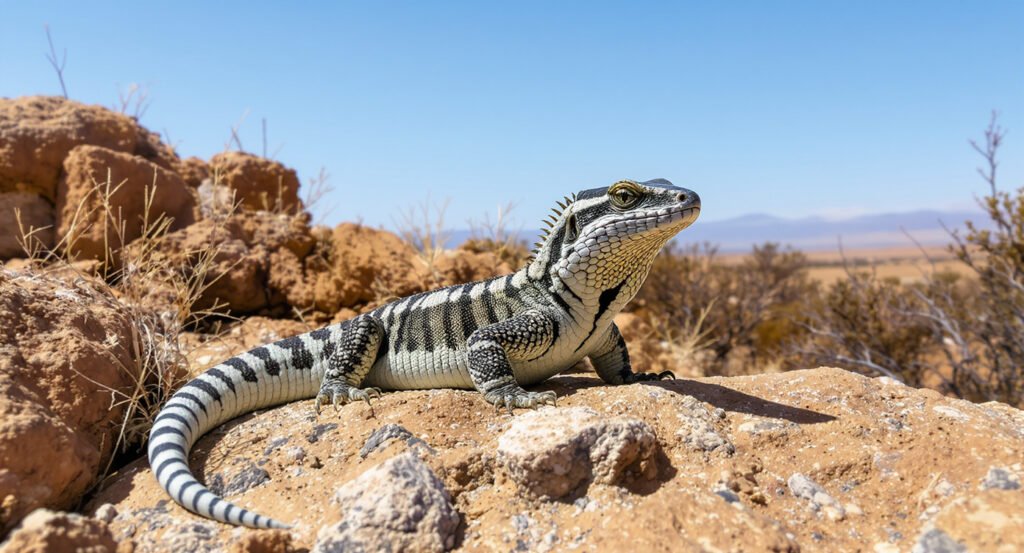
Tegus are among the most intelligent and personable lizards you can keep as pets. These large, carnivorous reptiles from South America have captured the hearts of reptile enthusiasts worldwide with their dog-like personalities and impressive size. Whether you’re considering an Argentine black and white tegu, a red tegu, or a Colombian tegu, this comprehensive care guide will help you provide the best possible environment for your scaly companion.
Tegus can grow between 2.5 to 4.5 feet long and live 15-20 years with proper care, making them a significant long-term commitment. However, their interactive nature and ability to recognize their owners make them incredibly rewarding pets for experienced reptile keepers.
Tegu Housing Requirements
Providing adequate space is crucial for tegu health and happiness. Adult tegus require substantial enclosures to thrive.
Worried About Your Reptile's Health?
Upload a photo and get instant AI health analysis. Catch problems before they become expensive vet bills.
Get Free Health Check →Enclosure Size
For adult tegus, the minimum enclosure size should be 8 feet long by 4 feet wide by 4 feet tall. Hatchlings can start in smaller setups (40-gallon tanks), but you’ll need to upgrade as they grow rapidly. Many tegu owners opt for custom-built enclosures or converted closets to meet these space requirements affordably.
Substrate Options
The right substrate supports natural behaviors like digging and burrowing. Popular choices include:
- Cypress mulch: Retains humidity well and allows burrowing
- Coconut coir: Excellent for humidity and natural appearance
- Topsoil mixture: A blend of organic topsoil and play sand (70/30 ratio)
- Substrate depth: Provide at least 6-12 inches for proper burrowing behavior
Avoid cedar, pine, and other aromatic woods as they can cause respiratory issues.
Temperature and Lighting Requirements
Tegus are ectothermic reptiles that rely on external heat sources to regulate their body temperature.
Never Miss Early Warning Signs
AI photo analysis catches subtle health issues humans miss 80% of the time. Early detection = healthier reptile + lower vet bills.
Start Free Trial →Temperature Gradients
Create a proper thermal gradient in your tegu enclosure:
- Basking spot: 100-110°F (measure surface temperature)
- Warm side: 85-95°F
- Cool side: 75-80°F
- Nighttime temperatures: Can drop to 70-75°F
UVB Lighting
UVB lighting is essential for calcium metabolism and vitamin D3 synthesis. Use a high-output UVB bulb (10-12%) positioned 12-18 inches from basking areas. Replace UVB bulbs every 6-12 months as their effectiveness diminishes over time, even if they still produce visible light.
Tegu Diet and Nutrition
Tegus are opportunistic omnivores with dietary needs that change as they mature.
Juvenile Tegu Diet
Young tegus (under 18 months) require a protein-rich diet consisting of approximately 80% animal protein and 20% vegetation. Feed juveniles daily with appropriate portions.
Join thousands of successful reptile owners
Try ReptileCoach Free →Adult Tegu Diet
Adult tegus should receive a more balanced diet of roughly 60% protein and 40% vegetables and fruits. Feed adults every 2-3 days to prevent obesity.
Protein Sources
- Whole prey items: Rodents, chicks, quail (appropriately sized)
- Insects: Dubia roaches, crickets, hornworms, superworms
- Occasional treats: Hard-boiled eggs, ground turkey, high-quality dog food
- Variety is key: Rotate protein sources for balanced nutrition
Fruits and Vegetables
Offer a variety of colorful produce including collard greens, mustard greens, butternut squash, blueberries, mango, and papaya. Avoid high-oxalate foods like spinach and rhubarb.
Supplements
Dust insects with calcium powder (without D3) at most feedings. Use a multivitamin with D3 once weekly. Whole prey items typically don’t require supplementation.
Humidity and Hydration
Maintaining proper humidity levels is crucial for healthy shedding and respiratory health. Tegus require humidity levels between 60-80%. Monitor humidity with reliable hygrometers placed at different levels in the enclosure.
"This app saved my bearded dragon's life. The AI caught early MBD in photos I thought looked completely normal. Worth every penny!"
— Sarah K., ReptileCoach User
Get Your Free 7-Day Trial →Provide a large, sturdy water dish that your tegu can soak in comfortably. Change water daily to maintain cleanliness. During shedding periods, you may need to increase humidity or provide additional soaking opportunities.
Handling and Temperament
Tegus are renowned for their intelligence and ability to bond with their keepers. However, proper handling techniques and patience are essential.
Start handling sessions when your tegu is young and keep them brief initially. Always support the entire body, especially the midsection. Never grab by the tail. Tegus may whip their tails when defensive, so approach calmly and confidently.
With consistent, gentle interaction, most tegus become docile and even seek out human contact. They can recognize their owners and may show excitement when you approach their enclosure.
Worried About Your Reptile's Health?
Upload a photo and get instant AI health analysis. Catch problems before they become expensive vet bills.
Get Free Health Check →Brumation Cycle
Many tegus undergo brumation, a hibernation-like state, during winter months. This natural cycle typically occurs between November and March. During brumation, tegus will eat less, become lethargic, and may sleep for extended periods.
Reduce feeding frequency as your tegu shows signs of brumation. Maintain access to water but lower temperatures slightly. Some tegus skip brumation, especially in consistently warm environments, which is generally acceptable.
Health Concerns and Veterinary Care
Regular health monitoring helps catch potential issues early. Watch for signs of illness including:
- Lack of appetite for extended periods (outside brumation)
- Labored breathing or wheezing
- Incomplete sheds or retained skin
- Lethargy or unusual behavior changes
- Swelling or visible injuries
Find an experienced reptile veterinarian before emergencies arise. Annual check-ups help ensure your tegu remains healthy. Fecal exams can detect internal parasites common in captive reptiles.
Never Miss Early Warning Signs
AI photo analysis catches subtle health issues humans miss 80% of the time. Early detection = healthier reptile + lower vet bills.
Start Free Trial →Track Your Tegu’s Care with Technology
Managing all aspects of tegu care—from feeding schedules to temperature logs and health records—can be challenging. Modern reptile keepers can benefit from using dedicated tracking tools to ensure consistent, high-quality care. Check out specialized reptile care apps that help you monitor your tegu’s diet, environmental conditions, weight changes, and veterinary appointments all in one convenient place.
Conclusion
Caring for a tegu is a rewarding experience that requires significant commitment, proper equipment, and ongoing education. These intelligent reptiles can become genuine companions when provided with appropriate housing, nutrition, and handling. By following this comprehensive tegu care guide, you’ll be well-prepared to give your tegu a long, healthy, and enriched life. Remember that every tegu has a unique personality, so remain observant and adjust care practices to meet your individual pet’s needs.
Ready to Give Your Reptile the Best Care?
Stop guessing and start knowing. Get personalized AI-powered care guidance, photo health analysis, and 24/7 expert advice for YOUR specific reptile.
Get Personalized Care Guidance
AI-powered photo analysis and daily care tracking for YOUR reptile
Try Free for 7 Days →