
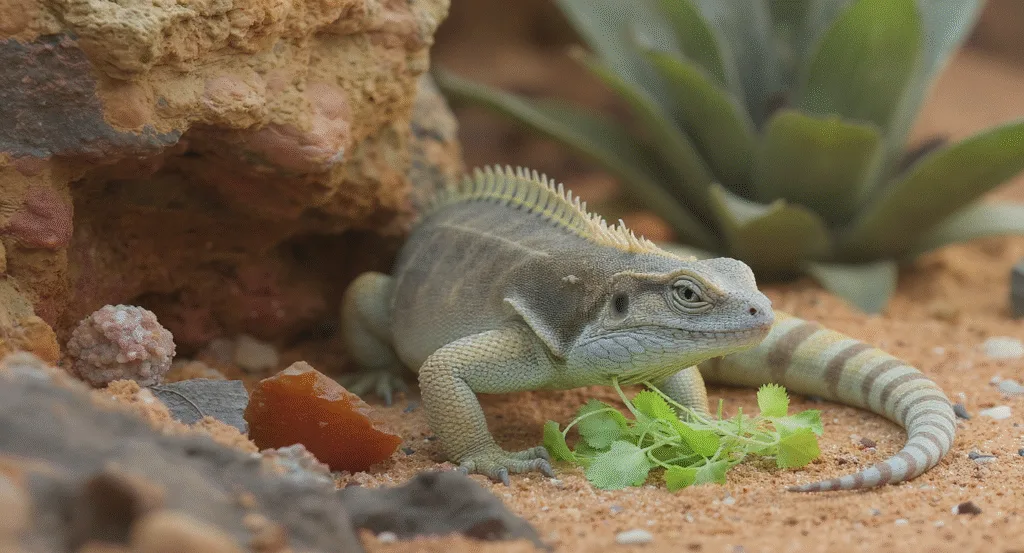
Uromastyx Diet Guide: What to Feed Your Spiny-Tailed Lizard
Uromastyx lizards, also known as spiny-tailed lizards, are fascinating herbivorous reptiles native to the arid regions of North Africa, the Middle East, and parts of Asia. These impressive desert dwellers have specific dietary requirements that differ significantly from other popular pet lizards. Understanding what to feed your uromastyx is crucial for maintaining their health, vibrant coloration, and longevity. This comprehensive guide will help you provide the optimal nutrition your spiny-tailed lizard needs to thrive.
Understanding the Wild Uromastyx Diet
In their natural habitat, uromastyx lizards are strict herbivores that have evolved to survive in harsh desert environments with limited food availability. They primarily consume a variety of desert plants, flowers, seeds, and grasses. Their diet consists mainly of fibrous, low-moisture vegetation that provides both nutrition and minimal hydration. Wild uromastyx have been observed eating seed pods, dried grasses, and succulent plants that grow in their arid homeland. Understanding this natural diet is essential for replicating appropriate nutrition in captivity and avoiding common feeding mistakes that can lead to health problems.
Best Vegetables for Your Uromastyx
The foundation of a captive uromastyx diet should be dark, leafy greens and vegetables that are high in nutrients and relatively low in water content. These vegetables provide essential vitamins, minerals, and fiber while mimicking the nutritional profile of their wild diet.
Top Vegetable Choices
- Collard Greens: An excellent staple vegetable that’s high in calcium and low in oxalates, making it ideal for daily feeding
- Dandelion Greens: Nutrient-dense and naturally available, these greens are highly palatable and offer an excellent calcium-to-phosphorus ratio
- Mustard Greens: Another superior choice packed with vitamins A and C, perfect for regular rotation in your uromastyx’s diet
- Turnip Greens: High in calcium and fiber, these greens add variety and nutritional diversity
- Endive and Escarole: Slightly bitter greens that many uromastyx enjoy and provide good nutritional value
- Squash: Butternut, acorn, and other winter squashes can be offered occasionally as a nutritious supplement
These vegetables should form approximately 70-80% of your uromastyx’s daily diet. Variety is important, so rotate between different greens rather than feeding the same vegetable every day. Always chop vegetables into appropriately sized pieces based on your lizard’s size.
Worried About Your Reptile's Health?
Upload a photo and get instant AI health analysis. Catch problems before they become expensive vet bills.
Get Free Health Check →Seeds and Grains: Essential Dietary Components
Seeds play a significant role in the natural uromastyx diet and should be included regularly in captivity. These provide important nutrients, healthy fats, and variety that keeps your lizard interested in eating.
Recommended Seeds and Grains
- Lentils: Red, green, or brown lentils can be offered dried or sprouted, providing excellent protein and fiber
- Millet: A staple seed that’s naturally part of their wild diet and readily accepted by most uromastyx
- Quinoa: This protein-rich pseudo-grain offers complete amino acids and valuable nutrients
- Split Peas: Yellow or green split peas add variety and nutritional diversity
- Bird Seed Mixes: High-quality seed mixes without sunflower seeds can be offered in moderation
Seeds should comprise about 10-20% of the diet. You can sprinkle dried seeds over fresh vegetables or offer them separately. Many keepers find that sprouting seeds increases palatability and nutritional availability.
Foods to Avoid
Knowing what not to feed your uromastyx is just as important as knowing what to include. Several foods commonly offered to other reptiles can be harmful to these specialized herbivores.
High Oxalate Vegetables
Avoid or strictly limit vegetables high in oxalates, which bind calcium and can lead to metabolic bone disease. These include spinach, beet greens, Swiss chard, and rhubarb. While small amounts occasionally won’t cause immediate harm, these should never be dietary staples.
Never Miss Early Warning Signs
AI photo analysis catches subtle health issues humans miss 80% of the time. Early detection = healthier reptile + lower vet bills.
Start Free Trial →Fruit
Despite being herbivores, uromastyx should rarely or never consume fruit. Their digestive systems are not designed to process high sugar content, and excessive fruit consumption can lead to digestive problems, obesity, and fatty liver disease. If offering fruit at all, limit it to tiny amounts once monthly as a rare treat.
Animal Protein
Never feed your uromastyx insects, meat, or other animal proteins. Unlike bearded dragons or other omnivorous lizards, uromastyx are strict herbivores. Animal protein can cause serious kidney and liver damage over time.
Feeding Schedule and Portion Size
Adult uromastyx should be fed daily, with fresh vegetables offered every morning. Remove any uneaten food after 12 hours to prevent spoilage. Juveniles and growing uromastyx may eat more frequently and should have constant access to fresh food. The portion size should be roughly equivalent to the size of your lizard’s body, though individual appetites vary. Uromastyx are naturally feast-or-famine eaters and may not eat every single day, which is normal behavior.
Hydration Needs
Uromastyx obtain most of their hydration from their food, which is why their diet should consist of fresh vegetables rather than dried foods exclusively. A shallow water dish should be available, though many uromastyx rarely drink. Lightly misting vegetables before offering them can provide additional moisture without raising humidity levels too high, which these desert lizards cannot tolerate.
Join thousands of successful reptile owners
Try ReptileCoach Free →Vitamin and Calcium Supplementation
Even with an optimal diet, supplementation is recommended to ensure your uromastyx receives adequate nutrients. Dust vegetables lightly with calcium powder without vitamin D3 two to three times weekly. A multivitamin supplement should be offered once weekly. Uromastyx that receive proper UVB lighting typically synthesize their own vitamin D3, so avoid over-supplementation. Always consult with a reptile veterinarian about your specific uromastyx’s supplementation needs.
Track your uromastyx’s diet and health with ReptileCoach — the free app for reptile keepers.
Conclusion
Providing proper nutrition for your uromastyx requires understanding their unique dietary needs as specialized desert herbivores. By focusing on appropriate leafy greens, offering seeds regularly, avoiding harmful foods, and supplementing correctly, you’ll ensure your spiny-tailed lizard enjoys a long, healthy life with vibrant coloration and excellent body condition. Remember that individual preferences vary, so observe your uromastyx’s eating habits and adjust accordingly while maintaining nutritional balance.
Ready to Give Your Reptile the Best Care?
Stop guessing and start knowing. Get personalized AI-powered care guidance, photo health analysis, and 24/7 expert advice for YOUR specific reptile.
Get Personalized Care Guidance
AI-powered photo analysis and daily care tracking for YOUR reptile
Try Free for 7 Days →