
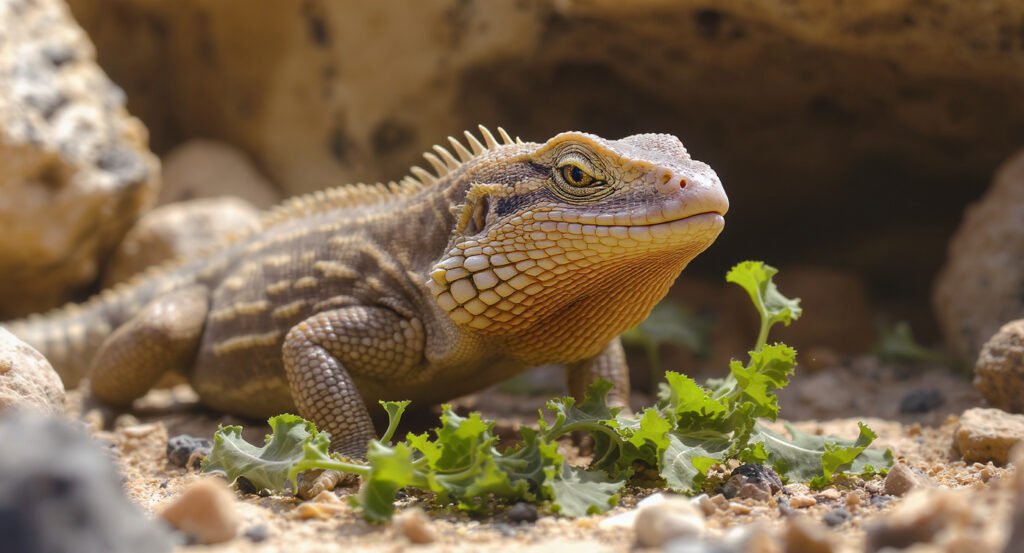
Understanding the Uromastyx Diet: Essential Nutrition for Your Spiny-Tailed Lizard
Uromastyx lizards, also known as spiny-tailed lizards or dabb lizards, are fascinating herbivorous reptiles that require a specialized diet to thrive in captivity. Unlike many other popular pet lizards, these desert-dwelling creatures are primarily plant-eaters, making their nutritional needs unique and specific. Understanding what to feed your uromastyx is crucial for maintaining their health, vibrant coloration, and longevity.
In this comprehensive guide, we’ll explore everything you need to know about feeding your uromastyx, from their natural diet in the wild to the best foods to offer in captivity, proper feeding schedules, and common dietary mistakes to avoid.
What Do Uromastyx Eat in the Wild?
In their native habitats across North Africa and the Middle East, uromastyx lizards are strict herbivores that have evolved to survive in harsh desert environments. Their natural diet consists primarily of:
- Desert flowers and blooms
- Seeds from native grasses and plants
- Leaves from drought-resistant plants
- Dried grasses and vegetation
- Occasional insects (though this is rare and typically accidental)
This low-protein, high-fiber diet has shaped their digestive system over millennia, making it essential to replicate these nutritional principles in captivity.
Worried About Your Reptile's Health?
Upload a photo and get instant AI health analysis. Catch problems before they become expensive vet bills.
Get Free Health Check →The Perfect Uromastyx Diet in Captivity
Staple Greens and Vegetables (Daily)
The foundation of your uromastyx’s diet should consist of dark leafy greens and vegetables. These should make up approximately 70-80% of their daily intake:
- Collard greens – Excellent source of calcium and vitamins
- Dandelion greens – High in nutrients and fiber
- Mustard greens – Rich in vitamins A and C
- Turnip greens – Good calcium-to-phosphorus ratio
- Endive and escarole – Low in oxalates, high in fiber
- Arugula – Provides variety and nutrients
- Butternut squash – Excellent vitamin A source
- Yellow squash – Low in oxalates, well-tolerated
Seeds and Lentils (2-3 Times Per Week)
Seeds are an important component of the uromastyx diet, providing essential proteins and fats. Offer these 2-3 times weekly:
- Millet seeds
- Split red lentils (dry)
- Grass seeds
- Bird seed mixes (without sunflower seeds)
These can be sprinkled over their salad or offered separately. Many uromastyx owners find their lizards particularly enthusiastic about lentils and seeds.
Flowers and Herbs (Weekly Treats)
Edible flowers and herbs provide enrichment and nutritional variety:
Never Miss Early Warning Signs
AI photo analysis catches subtle health issues humans miss 80% of the time. Early detection = healthier reptile + lower vet bills.
Start Free Trial →- Hibiscus flowers and leaves
- Rose petals
- Dandelion flowers
- Nasturtium
- Fresh basil
- Fresh cilantro
Foods to Avoid
Certain foods can be harmful to uromastyx and should be avoided entirely:
- Spinach and kale – High in oxalates that bind calcium
- Iceberg lettuce – Virtually no nutritional value
- Cabbage and broccoli – Can cause thyroid issues
- Fruits – Too high in sugar; can cause digestive upset
- Insects and animal protein – Can lead to kidney and liver problems
- Avocado – Toxic to reptiles
Feeding Schedule and Portion Sizes
Young uromastyx (under 1 year) should be fed daily, while adults can be fed 5-6 times per week. Offer food in the morning after they’ve had time to bask and raise their body temperature, as this aids digestion.
Portion sizes should be approximately the size of the lizard’s body (excluding tail). Remove uneaten food after 12 hours to prevent spoilage and maintain hygiene.
Hydration Needs
Uromastyx obtain most of their water from their food. While a water dish can be provided, many specimens rarely drink. Instead, focus on offering fresh, moisture-rich greens and occasional misting of vegetables before serving.
Join thousands of successful reptile owners
Try ReptileCoach Free →Supplementation Guidelines
While a varied diet provides most nutrients, supplementation ensures optimal health:
- Calcium powder (without D3) – Dust food 3-4 times weekly
- Multivitamin supplement – Once weekly
- Vitamin D3 – Only if UVB lighting is inadequate (not recommended)
Always provide proper UVB lighting (10-12% UVB bulb) to allow natural vitamin D3 synthesis, which is crucial for calcium metabolism.
Common Dietary Mistakes to Avoid
Many new uromastyx owners make these common feeding errors:
- Offering too much protein – This can lead to kidney failure and gout
- Feeding fruits regularly – High sugar content disrupts gut flora
- Insufficient variety – Rotation prevents nutritional deficiencies
- Improper supplement use – Over-supplementation can be as harmful as under-supplementation
- Feeding when temperatures are too low – Can cause digestive issues
Track Your Uromastyx’s Health and Diet
Maintaining proper nutrition for your uromastyx requires consistent monitoring and record-keeping. Tracking feeding schedules, weight changes, and behavioral patterns helps you identify potential health issues early and optimize their diet over time.
"This app saved my bearded dragon's life. The AI caught early MBD in photos I thought looked completely normal. Worth every penny!"
— Sarah K., ReptileCoach User
Get Your Free 7-Day Trial →If you’re looking for an easy way to manage your reptile care routine, check out the Reptile Coach app. This comprehensive tool helps you track feeding schedules, monitor your uromastyx’s health metrics, set reminders for supplementation, and access expert care guides—all in one convenient platform. Take the guesswork out of reptile care and ensure your spiny-tailed lizard receives optimal nutrition every day.
Signs of a Healthy Diet
When your uromastyx is receiving proper nutrition, you’ll observe:
- Vibrant, bright coloration
- Steady growth in juveniles
- Regular bowel movements
- Active behavior during the day
- Clear eyes and healthy skin
- Strong appetite
- Proper weight maintenance
Conclusion
Feeding your uromastyx properly is one of the most important aspects of their care. By focusing on a varied selection of dark leafy greens, appropriate vegetables, occasional seeds, and edible flowers, you’ll provide the nutrition these remarkable lizards need to thrive. Remember that uromastyx are true herbivores—resist the temptation to offer protein-rich foods or sugary fruits, as these can cause serious health problems.
With proper diet, adequate UVB lighting, appropriate temperatures, and regular monitoring, your uromastyx can live 15-20 years or more in captivity. Take time to understand their unique nutritional needs, and you’ll be rewarded with a healthy, active, and beautifully colored companion for years to come.
Worried About Your Reptile's Health?
Upload a photo and get instant AI health analysis. Catch problems before they become expensive vet bills.
Get Free Health Check →Ready to Give Your Reptile the Best Care?
Stop guessing and start knowing. Get personalized AI-powered care guidance, photo health analysis, and 24/7 expert advice for YOUR specific reptile.
Get Personalized Care Guidance
AI-powered photo analysis and daily care tracking for YOUR reptile
Try Free for 7 Days →