
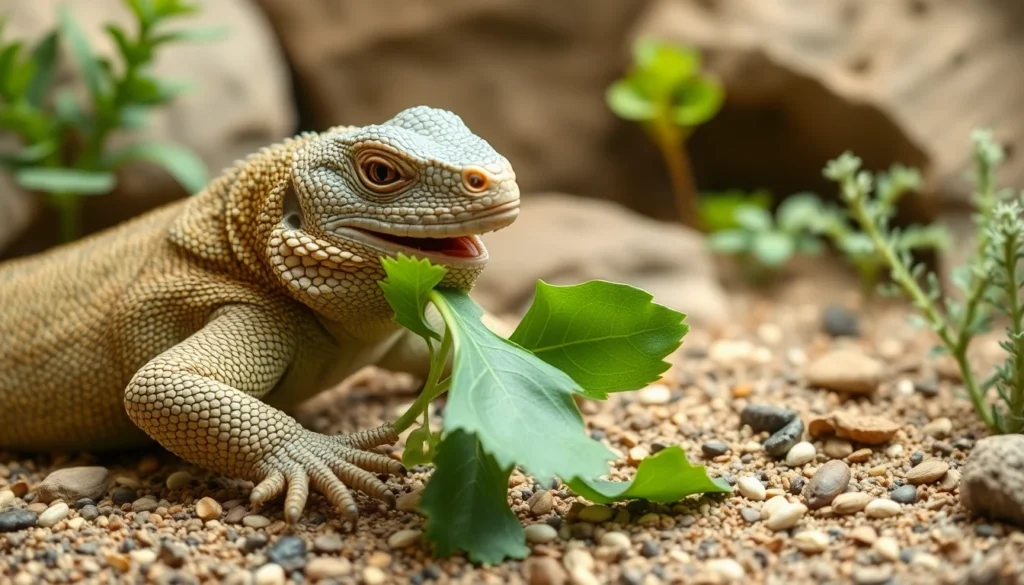
Uromastyx lizards, also known as spiny-tailed lizards, are fascinating herbivorous reptiles that require a specialized diet to thrive in captivity. Understanding their nutritional needs is essential for keeping these desert dwellers healthy and active. This comprehensive guide will walk you through everything you need to know about feeding your uromastyx properly.
Understanding Uromastyx Nutritional Needs
Unlike many popular pet lizards, uromastyx are primarily herbivorous, with their diet consisting almost entirely of plant matter. In their natural habitat across North Africa and the Middle East, these lizards forage for seeds, flowers, and desert vegetation. Replicating this diet in captivity requires careful attention to the types of greens and vegetables you offer.
Adult uromastyx should be fed daily, while juveniles may benefit from twice-daily feedings to support their rapid growth. The key is providing a varied diet rich in fiber and low in protein and fat, which mirrors what they would consume in the wild.
Best Greens and Vegetables for Uromastyx
The foundation of a healthy uromastyx diet should be dark, leafy greens. These provide essential vitamins, minerals, and the fiber necessary for proper digestion. Here are the best options:
Worried About Your Reptile's Health?
Upload a photo and get instant AI health analysis. Catch problems before they become expensive vet bills.
Get Free Health Check →- Collard greens
- Dandelion greens
- Turnip greens
- Mustard greens
- Endive
- Escarole
- Arugula
- Watercress
You can supplement these staple greens with other vegetables in smaller quantities, including squash, bell peppers, and green beans. Aim for variety by rotating different greens throughout the week to ensure your uromastyx receives a broad spectrum of nutrients.
Seeds and Lentils: Important Dietary Components
Seeds play a natural role in the uromastyx diet and can be offered several times per week. Bird seed mixes containing millet, canary seed, and other small seeds work well. Dried lentils are another excellent addition that many uromastyx enthusiastically consume.
These items should comprise about 10-15% of the overall diet, with the majority still being fresh greens. Seeds provide healthy fats and additional protein that support overall health, especially during breeding season or periods of growth.
Foods to Avoid
Certain foods can be harmful to uromastyx and should be avoided entirely:
Never Miss Early Warning Signs
AI photo analysis catches subtle health issues humans miss 80% of the time. Early detection = healthier reptile + lower vet bills.
Start Free Trial →- Iceberg lettuce (no nutritional value)
- Spinach and chard (high in oxalates)
- Avocado (toxic to reptiles)
- Rhubarb (toxic)
- Insects and animal protein (except rarely for juveniles)
- Citrus fruits (too acidic)
- High-sugar fruits
While some keepers occasionally offer small amounts of fruit, this should be rare and limited to items like berries or melon. Uromastyx digestive systems are not designed to process high sugar content, which can lead to digestive issues and obesity.
Calcium and Vitamin Supplementation
Proper supplementation is crucial for preventing metabolic bone disease and other health issues. Dust your uromastyx’s food with calcium powder (without vitamin D3) about 3-4 times per week. Once weekly, use a multivitamin supplement designed for herbivorous reptiles.
If your uromastyx has access to quality UVB lighting, which they absolutely should, the vitamin D3 supplementation can be minimal as they’ll synthesize it naturally. However, calcium remains essential throughout their lives.
Feeding Schedule and Portion Sizes
Offer food in the morning after your uromastyx has had time to bask and raise their body temperature. This ensures proper digestion. Provide a salad bowl filled with chopped greens and vegetables, roughly the size of your lizard’s body.
Join thousands of successful reptile owners
Try ReptileCoach Free →Remove uneaten food after 12 hours to prevent spoilage. Most adult uromastyx will eat every day or every other day, while juveniles typically eat daily. Monitor your lizard’s body condition and adjust portions accordingly.
Hydration Considerations
Uromastyx obtain most of their moisture from their food, which is why offering fresh, slightly misted greens is beneficial. While they rarely drink standing water, providing a shallow water dish is still recommended. Some keepers offer a light misting once or twice weekly, though this isn’t always necessary if the diet is adequate.
Track Your Uromastyx’s Health and Diet
Maintaining consistent feeding records helps you identify patterns and potential health issues early. Whether you’re a new uromastyx owner or an experienced keeper, having a reliable way to track feedings, weight, and behavior is invaluable. The ReptileCoach App makes it easy to log meals, monitor your lizard’s health metrics, and receive reminders for supplementation schedules, ensuring your spiny-tailed friend gets the best care possible.
Final Thoughts
Feeding a uromastyx properly requires commitment to providing fresh, varied greens daily and understanding their unique herbivorous needs. By focusing on dark leafy greens, appropriate supplementation, and avoiding common dietary mistakes, you’ll help your uromastyx live a long, healthy life. Remember that individual lizards may have preferences, so pay attention to what your pet enjoys while maintaining nutritional balance. With the right diet and care, these remarkable desert lizards can thrive for 15-20 years or more in captivity.
"This app saved my bearded dragon's life. The AI caught early MBD in photos I thought looked completely normal. Worth every penny!"
— Sarah K., ReptileCoach User
Get Your Free 7-Day Trial →Ready to Give Your Reptile the Best Care?
Stop guessing and start knowing. Get personalized AI-powered care guidance, photo health analysis, and 24/7 expert advice for YOUR specific reptile.
Get Personalized Care Guidance
AI-powered photo analysis and daily care tracking for YOUR reptile
Try Free for 7 Days →