
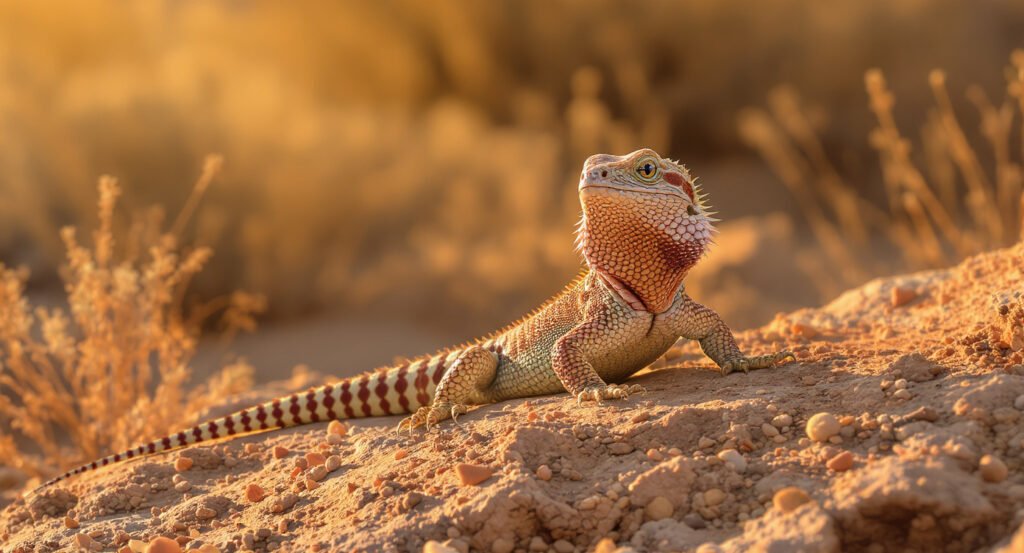
If you’ve recently brought home a uromastyx or you’re planning to, one of the most important things you need to get right is their diet. These beautiful, desert-dwelling lizards have very specific nutritional needs that differ significantly from many other popular pet reptiles. Get their diet wrong, and you risk serious health complications. Get it right, and you’ll have a thriving, colorful companion for decades to come.
In this complete uromastyx diet guide, we’ll walk you through exactly what to feed your spiny-tailed lizard, what foods to avoid, how often to feed them, and the key nutritional principles every owner should understand.
Understanding the Uromastyx Natural Diet
Before diving into what to put in your uromastyx’s food bowl, it helps to understand what they eat in the wild. Uromastyx lizards are native to arid regions of North Africa, the Middle East, and parts of South Asia. In their natural habitat, they are almost entirely herbivorous, feeding on a wide variety of desert plants, seeds, flowers, and grasses.
Unlike bearded dragons or blue-tongued skinks, adult uromastyx do not need insects or animal protein as a regular part of their diet. In fact, feeding too much protein can lead to kidney damage and other serious health issues over time. This makes them an excellent choice for reptile keepers who prefer a plant-based feeding routine.
Worried About Your Reptile's Health?
Upload a photo and get instant AI health analysis. Catch problems before they become expensive vet bills.
Get Free Health Check →The Core Staple Foods for Uromastyx
The foundation of a healthy uromastyx diet should consist of dark leafy greens and a variety of vegetables. These should make up the bulk of every meal — roughly 70 to 80 percent of their total diet.
Best Leafy Greens
- Collard greens – High in calcium and a top staple choice
- Mustard greens – Excellent nutritional profile and well-accepted
- Dandelion greens – Rich in vitamins A and K, great variety option
- Turnip greens – Good calcium source, rotate regularly
- Endive and escarole – Lower in oxalates, easy to digest
- Spring mix – Convenient and varied, great as a base
Vegetables to Include Regularly
- Butternut squash (raw or lightly cooked)
- Bell peppers (all colors)
- Snap peas and green beans
- Shredded carrots (in moderation)
- Zucchini and yellow squash
- Corn on the cob (as an occasional treat)
Seeds and Dry Foods: A Unique Part of the Uromastyx Diet
One thing that makes uromastyx care unique is their love of seeds and dry grains. In the wild, seeds are a significant energy source for these animals. In captivity, offering a seed mix a few times per week adds variety and enrichment to their diet.
Safe Seeds and Grains
- Millet – A top favorite and easily available at pet stores
- Lentils – Dry or slightly sprouted, excellent nutrition
- Split peas – Dry form is easy to scatter in the enclosure
- Quinoa – Cooked or dry, high in protein and amino acids
- Dried hibiscus flowers – A nutritious and enriching treat
Keep seeds to around 10 to 15 percent of the total diet. Too many seeds can lead to obesity due to their high fat content.
Foods to Avoid Feeding Your Uromastyx
Just as important as knowing what to feed your uromastyx is knowing what to keep out of their bowl. Some foods that seem harmless — or are even healthy for humans — can be toxic or harmful to these lizards.
Never Miss Early Warning Signs
AI photo analysis catches subtle health issues humans miss 80% of the time. Early detection = healthier reptile + lower vet bills.
Start Free Trial →Avoid These Foods Completely
- Spinach and beet greens – Very high in oxalates, which bind calcium and can cause metabolic bone disease
- Avocado – Toxic to reptiles
- Rhubarb – Contains oxalic acid and is dangerous
- Iceberg lettuce – Nearly zero nutritional value and can cause diarrhea
- Insects and feeder bugs – Adults do not need animal protein; occasional juvenile use only
- Fruit – Too high in sugar; uromastyx are not adapted to process it well
- Wild-caught insects or plants – Risk of pesticides and parasites
Hydration: Do Uromastyx Need Water?
This is one of the most commonly misunderstood aspects of uromastyx care. As desert animals, uromastyx are adapted to extract most of their moisture from the food they eat. They do not drink water the same way most reptiles do, and many experienced keepers do not provide a standing water dish.
However, offering a very shallow water dish once or twice a week — especially during shedding season — can be beneficial. The key is to ensure their enclosure does not become humid, as high humidity can cause respiratory infections in these dry-climate reptiles.
Fresh vegetables with high water content, like zucchini and bell peppers, also contribute to their hydration naturally.
How Often Should You Feed a Uromastyx?
Feeding frequency depends on the age of your lizard:
Join thousands of successful reptile owners
Try ReptileCoach Free →- Juveniles (under 12 months) – Feed daily; they are growing rapidly and need consistent nutrition
- Sub-adults (1 to 2 years) – Feed every one to two days
- Adults (2+ years) – Feed every two days or five times per week; offer seeds two to three times weekly
Always remove uneaten food within 24 hours to prevent mold and bacterial growth in the enclosure.
Supplements: Vitamins and Calcium
Even the best diet may have nutritional gaps, which is why supplementation is an important part of uromastyx care. Two supplements should be part of your routine:
- Calcium without D3 – Dust food lightly two to three times per week (they get D3 from UVB lighting)
- Multivitamin – Apply lightly once a week to avoid vitamin A toxicity from oversupplementation
If your uromastyx has strong UVB lighting (a 10.0 or T5 HO bulb is recommended), they will produce vitamin D3 naturally through their skin, making calcium without D3 the safer supplementation choice.
Practical Tips for Picky Eaters
Some uromastyx, especially newly acquired animals still adjusting to captivity, can be reluctant eaters. Here are a few tricks to encourage better eating habits:
"This app saved my bearded dragon's life. The AI caught early MBD in photos I thought looked completely normal. Worth every penny!"
— Sarah K., ReptileCoach User
Get Your Free 7-Day Trial →- Mix a small amount of millet or seeds into the salad to make greens more appealing
- Chop food finely for younger animals
- Offer food in the morning after their basking lamp has been on for an hour or two
- Vary the greens weekly to prevent boredom and ensure a wider nutrient profile
- Avoid feeding directly by hand at first — scatter food in the enclosure to encourage natural foraging behavior
Building a Balanced Uromastyx Feeding Schedule
A simple weekly feeding plan for an adult uromastyx might look like this:
- Monday, Wednesday, Friday: Fresh salad (collard greens, mustard greens, bell pepper, squash) + calcium dusting
- Tuesday, Thursday: Vegetable mix with different greens + millet or split peas scattered in enclosure
- Weekend: Rest day or light feeding with hibiscus flowers or dandelion greens + weekly multivitamin
This rotation ensures variety, proper supplementation, and mirrors the irregular feeding patterns uromastyx experience in the wild.
Start Tracking Your Uromastyx’s Diet Today
Feeding your uromastyx correctly is one of the most impactful things you can do for their long-term health. A proper diet prevents metabolic bone disease, obesity, kidney failure, and a host of other preventable conditions that shorten the lives of many captive lizards.
Ready to take your reptile care to the next level? Try ReptileCoach free — our AI-powered reptile care app helps you track feeding schedules, monitor health, and get personalized diet advice for your uromastyx and all your reptile pets. Join thousands of reptile owners who are giving their animals the best possible care.
Worried About Your Reptile's Health?
Upload a photo and get instant AI health analysis. Catch problems before they become expensive vet bills.
Get Free Health Check →Ready to Give Your Reptile the Best Care?
Stop guessing and start knowing. Get personalized AI-powered care guidance, photo health analysis, and 24/7 expert advice for YOUR specific reptile.
Get Personalized Care Guidance
AI-powered photo analysis and daily care tracking for YOUR reptile
Try Free for 7 Days →