
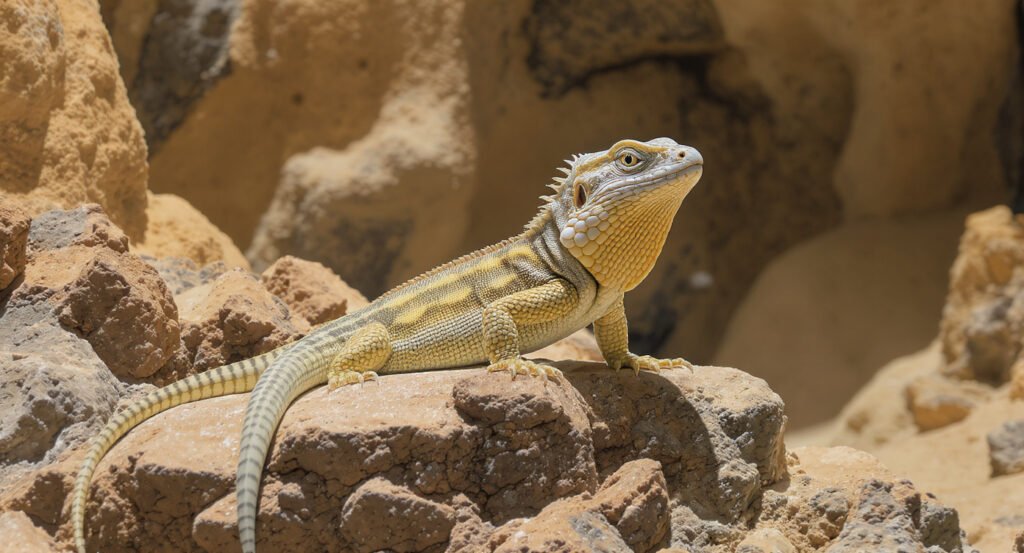
Uromastyx Diet Guide: What to Feed Your Desert Lizard
Uromastyx lizards are fascinating desert dwellers that have captured the hearts of reptile enthusiasts worldwide. Unlike many other lizards, uromastyx are primarily herbivorous, thriving on a plant-based diet that mirrors their natural arid habitat. Getting the diet right is one of the most critical aspects of uromastyx care, directly impacting their health, longevity, and overall well-being. This comprehensive guide will walk you through everything you need to know about feeding your uromastyx properly.
Understanding the Uromastyx Natural Diet
In the wild, uromastyx lizards inhabit the deserts and arid regions of North Africa and the Middle East. Their natural diet consists primarily of seeds, leaves, flowers, and various desert plants. This herbivorous lifestyle has shaped their digestive systems to process high-fiber, low-moisture plant material efficiently. Understanding this natural dietary foundation is essential for replicating appropriate nutrition in captivity.
One of the most notable characteristics of wild uromastyx is that they obtain most of their hydration from the foods they eat rather than from standing water. This is an important consideration when planning your captive uromastyx’s diet.
Core Staple Foods for Captive Uromastyx
Leafy Greens and Vegetables
Leafy greens should form the backbone of your uromastyx’s daily diet. Offer a wide variety to ensure balanced nutrition and keep your lizard interested in its food. Excellent staple greens include:
Worried About Your Reptile's Health?
Upload a photo and get instant AI health analysis. Catch problems before they become expensive vet bills.
Get Free Health Check →- Collard greens – high in calcium and fiber, an excellent daily staple
- Dandelion greens – nutritionally rich and usually eagerly accepted
- Mustard greens – great source of vitamins A and C
- Turnip greens – high in calcium with a favorable calcium-to-phosphorus ratio
- Endive and escarole – lower in oxalates, making them a safe regular offering
- Spring mix – convenient and provides dietary variety
Seeds and Legumes
Seeds are an important and often overlooked component of a proper uromastyx diet. In the wild, seeds make up a significant portion of their caloric intake. Lentils, millet, and quinoa are all excellent choices. You can offer seeds dry or slightly moistened. Good seed options include:
- Red and green lentils (dry or sprouted)
- Millet (spray millet is often a favorite)
- Quinoa (rinse thoroughly before offering)
- Dried split peas
- Birdseed mixes without added chemicals or artificial colors
Flowers and Edible Plants
Adding edible flowers to your uromastyx’s diet provides enrichment and additional nutrients. Hibiscus flowers, rose petals, and dandelion flowers are commonly accepted and nutritionally beneficial. These can be offered fresh or dried, and many uromastyx find them particularly appealing.
Foods to Feed in Moderation
While variety is important, some foods should be offered only occasionally due to their high sugar content, elevated oxalate levels, or unfavorable calcium-to-phosphorus ratios.
- Fruits – can be offered occasionally as treats; good options include berries, melon, and figs
- Spinach and Swiss chard – high in oxalates, which can bind calcium; limit to occasional offerings
- Kale – nutritious but contains goitrogens that can affect thyroid function when fed excessively
- Carrots and squash – healthy but higher in sugar; offer a few times per week
- Corn – high in phosphorus; only occasional offerings
Foods to Avoid Completely
Some foods can be harmful or even toxic to uromastyx lizards. Always avoid the following:
Never Miss Early Warning Signs
AI photo analysis catches subtle health issues humans miss 80% of the time. Early detection = healthier reptile + lower vet bills.
Start Free Trial →- Animal proteins – uromastyx digestive systems are not designed for meat; avoid insects, feeder animals, and meat products
- Avocado – toxic to many reptiles
- Rhubarb – extremely high in oxalic acid
- Wild-caught plants – may be contaminated with pesticides or herbicides
- Iceberg lettuce – virtually no nutritional value and high water content can cause digestive issues
- Onions, garlic, and chives – toxic compounds harmful to reptiles
Hydration and Water
Uromastyx are adapted to arid environments and generally do not drink water readily. Most of their hydration comes from fresh foods. However, providing a shallow water dish is still recommended, especially during shedding periods or if your lizard appears dehydrated. Misting fresh greens slightly before feeding can also help increase moisture intake.
Avoid keeping the enclosure overly humid, as uromastyx are prone to respiratory infections in damp conditions. Strike a balance between offering fresh plant material for hydration and maintaining appropriate low-humidity enclosure conditions.
Supplementation for Uromastyx
Calcium Supplementation
Calcium is crucial for uromastyx bone health and metabolic function. Dust food lightly with a calcium powder supplement two to three times per week. Choose a calcium supplement without added phosphorus, as most plant-based diets already contain adequate phosphorus.
Vitamin D3 and Multivitamins
If your uromastyx does not have access to proper UVB lighting, a vitamin D3 supplement is necessary. Even with adequate UVB exposure, a reptile-specific multivitamin offered once or twice per week helps prevent nutritional deficiencies over time.
Join thousands of successful reptile owners
Try ReptileCoach Free →Feeding Schedule and Portion Sizes
Adult uromastyx should be fed daily, with fresh greens and vegetables offered in the morning so they can eat during their active basking period. Remove uneaten food after several hours to prevent spoilage and bacterial growth. Juveniles may benefit from twice-daily feedings given their higher growth demands.
Offer portions roughly equivalent to the size of your lizard’s head or slightly larger. Observe your uromastyx’s appetite and body condition regularly, adjusting portions to maintain a healthy weight without excessive fat deposits.
Tips for Picky Eaters
Some uromastyx, particularly newly acquired individuals, can be reluctant to eat. Try these strategies to encourage feeding:
- Offer food during peak basking hours when lizards are most active and alert
- Chop food into smaller, manageable pieces to make it more appealing
- Mix in favored foods like lentils or millet to entice reluctant eaters
- Ensure proper basking temperatures, as uromastyx need adequate heat to digest food properly
- Reduce handling stress during the initial acclimation period
Get personalized reptile care advice on ReptileCoach — your AI-powered reptile companion.
"This app saved my bearded dragon's life. The AI caught early MBD in photos I thought looked completely normal. Worth every penny!"
— Sarah K., ReptileCoach User
Get Your Free 7-Day Trial →Final Thoughts
Ready to Give Your Reptile the Best Care?
Stop guessing and start knowing. Get personalized AI-powered care guidance, photo health analysis, and 24/7 expert advice for YOUR specific reptile.
Get Personalized Care Guidance
AI-powered photo analysis and daily care tracking for YOUR reptile
Try Free for 7 Days →