
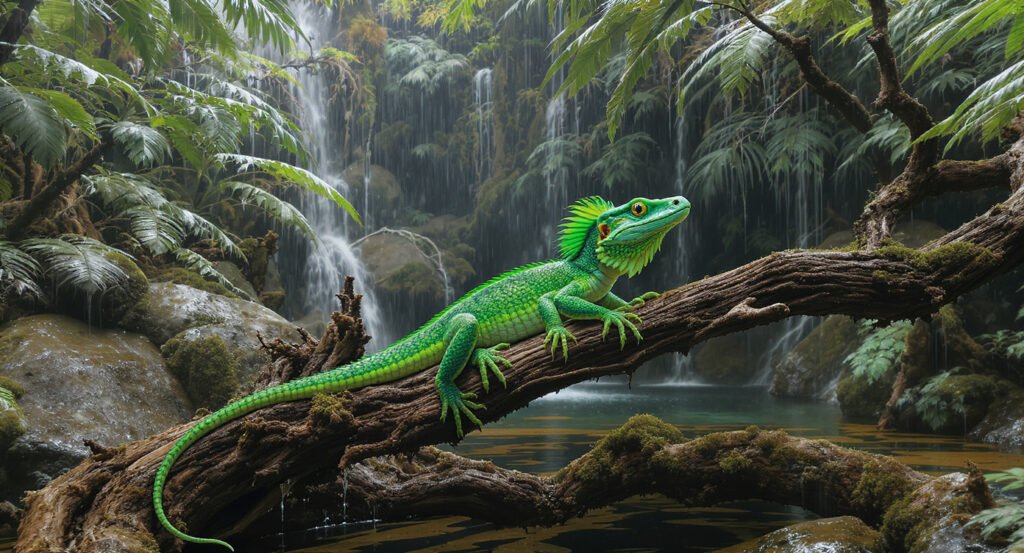
Ultimate Water Dragon Care Guide for Happy, Healthy Pets
Water dragons are among the most stunning and rewarding reptiles you can keep as pets. With their vibrant green scales, expressive eyes, and active personalities, these lizards captivate reptile enthusiasts around the world. However, providing proper care requires dedicated research and preparation. This comprehensive water dragon care guide covers everything you need to know to raise a thriving, happy pet.
Understanding Water Dragons
The two most commonly kept species are the Chinese Water Dragon (Physignathus cocincinus) and the Australian Water Dragon (Intellagama lesueurii). Both species share similar care requirements, though slight differences exist. Chinese Water Dragons are particularly popular in the pet trade, known for their brilliant emerald green coloration and relatively docile temperament when properly socialized.
In the wild, water dragons inhabit tropical rainforests and are almost always found near bodies of water. Understanding their natural environment is the foundation of excellent captive care.
Setting Up the Perfect Enclosure
Enclosure Size
Water dragons are active, arboreal lizards that require significant vertical and horizontal space. A single adult water dragon needs a minimum enclosure size of 4 feet wide, 3 feet deep, and 6 feet tall. Larger is always better. Juveniles can be housed in smaller enclosures temporarily, but plan ahead for adult sizing from the start.
Worried About Your Reptile's Health?
Upload a photo and get instant AI health analysis. Catch problems before they become expensive vet bills.
Get Free Health Check →Substrate and Furnishings
Choose a substrate that retains humidity without becoming moldy. Excellent options include:
- Coconut fiber mixed with topsoil
- Organic potting soil (pesticide-free)
- Bioactive substrate blends designed for tropical reptiles
Water dragons love to climb, so incorporate plenty of sturdy branches, driftwood, and live or artificial plants. Cork bark pieces make excellent hides and climbing structures. Place branches at various heights to encourage natural climbing behavior and give your dragon options for thermoregulation.
Temperature and Lighting Requirements
Thermal Gradient
Maintaining a proper thermal gradient is critical for your water dragon’s health and digestion. Aim for these temperature ranges:
- Basking spot: 90–95°F (32–35°C)
- Warm side ambient: 80–85°F (27–29°C)
- Cool side ambient: 75–80°F (24–27°C)
- Nighttime temperature: No lower than 70°F (21°C)
Use a combination of basking bulbs and ceramic heat emitters to achieve these temperatures. Always monitor with reliable digital thermometers placed at multiple points in the enclosure.
Never Miss Early Warning Signs
AI photo analysis catches subtle health issues humans miss 80% of the time. Early detection = healthier reptile + lower vet bills.
Start Free Trial →UVB Lighting
UVB lighting is non-negotiable for water dragons. Without adequate UVB exposure, they cannot synthesize Vitamin D3, leading to metabolic bone disease — a painful and potentially fatal condition. Use a high-output UVB bulb rated for tropical species (T5 HO 6% or 10% UVB) and replace it every 6–12 months, even if it still produces visible light.
Maintain a 12-hour light and 12-hour dark cycle to mimic natural day-night rhythms and support healthy hormonal function.
Humidity and Water Access
Water dragons require high humidity levels between 70–80%. Inadequate humidity leads to shedding problems and respiratory issues. Achieve proper humidity by:
- Misting the enclosure twice daily with a pressure sprayer or automatic misting system
- Using a moisture-retaining substrate
- Placing live plants inside the enclosure
- Providing a large, shallow water dish or small pool
Water dragons love to soak and swim, and access to clean water is essential for hydration and skin health. Change the water daily and disinfect the container weekly to prevent bacterial growth.
Join thousands of successful reptile owners
Try ReptileCoach Free →Feeding Your Water Dragon
Diet Composition
Water dragons are omnivores, though insects make up the majority of their diet, especially as juveniles. A balanced diet includes:
- Insects: Dubia roaches, crickets, hornworms, silkworms, black soldier fly larvae
- Vegetables and greens: Collard greens, mustard greens, dandelion greens, squash
- Occasional treats: Pinky mice (rarely), waxworms (sparingly)
Juveniles should eat daily, while adults can be fed every other day. Gut-load all feeder insects with nutritious foods 24–48 hours before offering them to your dragon.
Supplementation
Dusting insects with calcium and vitamin supplements is essential. Use a calcium-with-D3 supplement two to three times per week and a multivitamin supplement once per week. Proper supplementation prevents deficiencies that can cause serious health problems.
Handling and Socialization
Water dragons can become quite tame with consistent, gentle handling. Begin socializing your dragon from a young age, keeping early sessions short — around 5 to 10 minutes — and gradually increasing duration as your pet becomes more comfortable. Always support the entire body when holding your dragon, and never grab them by the tail.
"This app saved my bearded dragon's life. The AI caught early MBD in photos I thought looked completely normal. Worth every penny!"
— Sarah K., ReptileCoach User
Get Your Free 7-Day Trial →Watch for signs of stress, including glass surfing, darkened coloration, or repeated escape attempts. These signals mean your dragon needs more time to adjust or that something in the enclosure environment needs attention.
Common Health Issues to Watch For
Even with excellent care, water dragons can develop health problems. Stay informed about these common concerns:
- Metabolic Bone Disease (MBD): Caused by calcium and UVB deficiency; symptoms include soft jaw, tremors, and mobility issues
- Respiratory infections: Often triggered by low temperatures or excessive humidity without adequate ventilation
- Parasites: Both internal and external parasites are common in wild-caught animals; always have a fecal test performed by a reptile veterinarian
- Rostral abrasions: Water dragons often rub their snouts on glass walls; cover lower sections with opaque material to reduce this behavior
- Dysecdysis (incomplete shedding): Usually caused by low humidity; soaking your dragon can help resolve retained shed
Schedule annual veterinary checkups with a reptile-experienced exotic vet, and don’t wait to seek professional advice if you notice unusual behavior or physical changes.
Final Thoughts on Water Dragon Care
Caring for a water dragon is a long-term commitment — these remarkable reptiles can live 10 to 15 years or more in captivity with proper care. Investing time in understanding their needs, maintaining a well-designed enclosure, and providing a balanced diet will reward you with a vibrant, interactive companion for many years to come.
Worried About Your Reptile's Health?
Upload a photo and get instant AI health analysis. Catch problems before they become expensive vet bills.
Get Free Health Check →Whether you’re a first-time reptile owner or an experienced keeper adding a water dragon to your collection, continuous learning is the key to success. Resources and expert guidance make all the difference in providing optimal care.
Get personalized reptile care advice on ReptileCo
Ready to Give Your Reptile the Best Care?
Stop guessing and start knowing. Get personalized AI-powered care guidance, photo health analysis, and 24/7 expert advice for YOUR specific reptile.
Get Personalized Care Guidance
AI-powered photo analysis and daily care tracking for YOUR reptile
Try Free for 7 Days →