
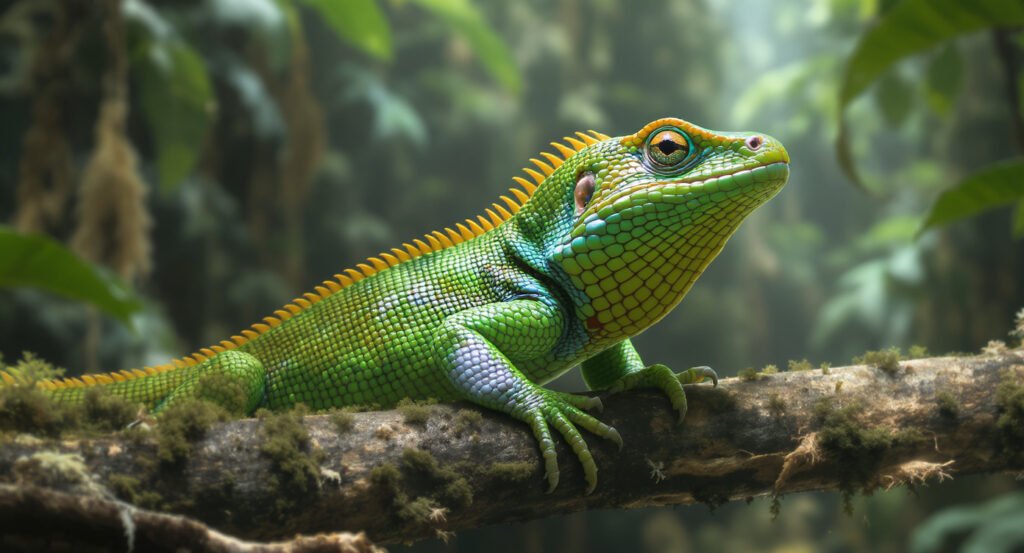
Water dragons are among the most stunning and rewarding reptiles you can keep as a pet. With their vibrant emerald-green scales, expressive eyes, and active personalities, these lizards have captured the hearts of reptile enthusiasts worldwide. Whether you’re a first-time owner or an experienced keeper looking to refine your setup, this comprehensive water dragon care guide will walk you through everything you need to provide a thriving, healthy life for your scaly companion.
Understanding Water Dragons: Species Overview
The two most commonly kept species are the Chinese Water Dragon (Physignathus cocincinus) and the Australian Water Dragon (Intellagama lesueurii). Chinese Water Dragons are the more popular of the two in the pet trade, known for their brilliant green coloration and relatively docile temperament when properly socialized. They can grow between 2 to 3 feet in length and live 10 to 15 years with proper care — making them a long-term commitment that deserves serious preparation.
Setting Up the Perfect Water Dragon Habitat
Creating the right environment is the single most important factor in your water dragon’s health and happiness. These lizards are arboreal and semi-aquatic by nature, which means their enclosure must accommodate both climbing and swimming behaviors.
Enclosure Size
Water dragons grow quickly and need space. For a single adult, the minimum recommended enclosure size is 6 feet tall x 4 feet wide x 3 feet deep. Bigger is always better. Custom-built wooden enclosures with screen ventilation panels are a popular choice, as they hold humidity better than standard glass tanks and allow for creative climbing structures.
Worried About Your Reptile's Health?
Upload a photo and get instant AI health analysis. Catch problems before they become expensive vet bills.
Get Free Health Check →Lighting and Heating
Proper lighting is non-negotiable for water dragons. They require:
- UVB lighting: A high-quality UVB bulb (10.0 or 12% T5 HO) is essential for calcium metabolism and preventing metabolic bone disease. Replace bulbs every 6 to 12 months, even if they still appear to emit light.
- Basking spot: Maintain a basking area temperature of 90–95°F (32–35°C).
- Ambient temperature: The cool side of the enclosure should stay between 75–80°F (24–27°C).
- Nighttime temperature: Should not drop below 65°F (18°C).
- Photoperiod: Provide 12–14 hours of light daily to mimic natural daylight cycles.
Humidity
Water dragons thrive in high humidity environments — aim for 70–80% relative humidity. Mist the enclosure twice daily using a pressure sprayer or install an automatic misting system. Live plants, a large water feature, and a moisture-retaining substrate all help maintain appropriate humidity levels naturally.
Substrate and Décor
Use a substrate that retains moisture well, such as organic topsoil mixed with coconut fiber or ReptiSoil. Avoid sand or gravel, which can cause impaction if ingested. Furnish the enclosure with sturdy branches for climbing, live or artificial plants for cover, and a large water basin — at least big enough for your dragon to fully submerge. Water dragons love to soak, and this behavior is critical for hydration and shedding.
Water Dragon Diet: Feeding Your Lizard for Optimal Health
Water dragons are omnivores, though their diet leans heavily toward protein-rich live prey, especially when young. A varied, nutritious diet is key to longevity and vibrant coloration.
Never Miss Early Warning Signs
AI photo analysis catches subtle health issues humans miss 80% of the time. Early detection = healthier reptile + lower vet bills.
Start Free Trial →Protein Sources
The bulk of a water dragon’s diet (approximately 70–80%) should consist of live insects and other protein sources, including:
- Crickets and dubia roaches (staple feeders)
- Mealworms and superworms (occasional treats)
- Hornworms and silkworms (great for hydration)
- Pinky mice (for adult dragons, sparingly)
- Small feeder fish like guppies
Fruits and Vegetables
The remaining 20–30% of the diet should include leafy greens and fruits such as collard greens, mustard greens, dandelion leaves, blueberries, mango, and papaya. Avoid spinach, beet greens, and rhubarb, which can interfere with calcium absorption.
Supplementation
Dust feeder insects with a calcium without D3 supplement at every feeding, and use a multivitamin supplement with D3 twice per week. Proper supplementation prevents metabolic bone disease, one of the most common and devastating conditions in captive water dragons.
Feeding Frequency
Juveniles (under 12 months) should be fed daily. Adults can be fed every other day. Always remove uneaten prey items after 15–20 minutes to prevent stress and injury to your dragon.
Join thousands of successful reptile owners
Try ReptileCoach Free →Handling and Socialization
Water dragons can become remarkably tame with consistent, gentle handling. Begin handling sessions short — just 5 to 10 minutes — and gradually increase the duration as your dragon becomes more comfortable. Never grab a water dragon from above, as this mimics a predator attack and causes stress. Instead, scoop from below and support the body fully. A well-socialized water dragon will often voluntarily climb onto your hand and explore its surroundings with curiosity.
Common Health Issues in Water Dragons
Even with the best care, health problems can arise. Knowing the warning signs helps you act quickly.
Metabolic Bone Disease (MBD)
Caused by inadequate UVB exposure or calcium deficiency, MBD leads to soft bones, tremors, and deformities. Prevention through proper lighting and supplementation is essential. If you notice a rubbery jaw, lethargy, or difficulty moving, consult a reptile vet immediately.
Rostral Abrasions
Water dragons frequently injure their snouts by rubbing against enclosure walls — a behavior known as glass surfing. This is often caused by stress, inadequate hiding spots, or seeing their own reflection. Using opaque enclosure panels and ensuring plenty of cover can minimize this issue.
"This app saved my bearded dragon's life. The AI caught early MBD in photos I thought looked completely normal. Worth every penny!"
— Sarah K., ReptileCoach User
Get Your Free 7-Day Trial →Respiratory Infections
Low temperatures or excessive moisture without proper ventilation can lead to respiratory infections. Symptoms include wheezing, mucus around the mouth or nostrils, and labored breathing. A reptile-savvy veterinarian should evaluate these symptoms promptly.
Parasites
Wild-caught water dragons are often host to internal parasites. Even captive-bred animals should receive a fecal exam from a reptile vet annually. Signs of parasitic infection include weight loss, lethargy, and abnormal stools.
Finding a Reptile Veterinarian
Before bringing a water dragon home, identify a reptile-experienced veterinarian in your area. Not all vets are knowledgeable about exotic species, so look for one with specific exotic or herp medicine experience. Establish a baseline wellness exam early and schedule annual check-ups to stay ahead of potential health issues.
Is a Water Dragon Right for You?
Water dragons are spectacular animals, but they are not beginner reptiles. Their enclosure requirements are demanding, their diets are complex, and they need daily attention. However, for dedicated reptile enthusiasts willing to invest the time, space, and resources, they offer an unmatched experience — an alert, interactive, and visually stunning companion that can share your life for over a decade.
Worried About Your Reptile's Health?
Upload a photo and get instant AI health analysis. Catch problems before they become expensive vet bills.
Get Free Health Check →Get Expert Guidance Tailored to Your Water Dragon
Every water dragon is unique, and sometimes generic advice just isn’t enough. Whether you’re troubleshooting a health issue, optimizing your enclosure, or just starting out, get personalized water dragon care advice from ReptileCoach — your AI-powered reptile care companion available 24/7.
Ready to Give Your Reptile the Best Care?
Stop guessing and start knowing. Get personalized AI-powered care guidance, photo health analysis, and 24/7 expert advice for YOUR specific reptile.
Get Personalized Care Guidance
AI-powered photo analysis and daily care tracking for YOUR reptile
Try Free for 7 Days →