
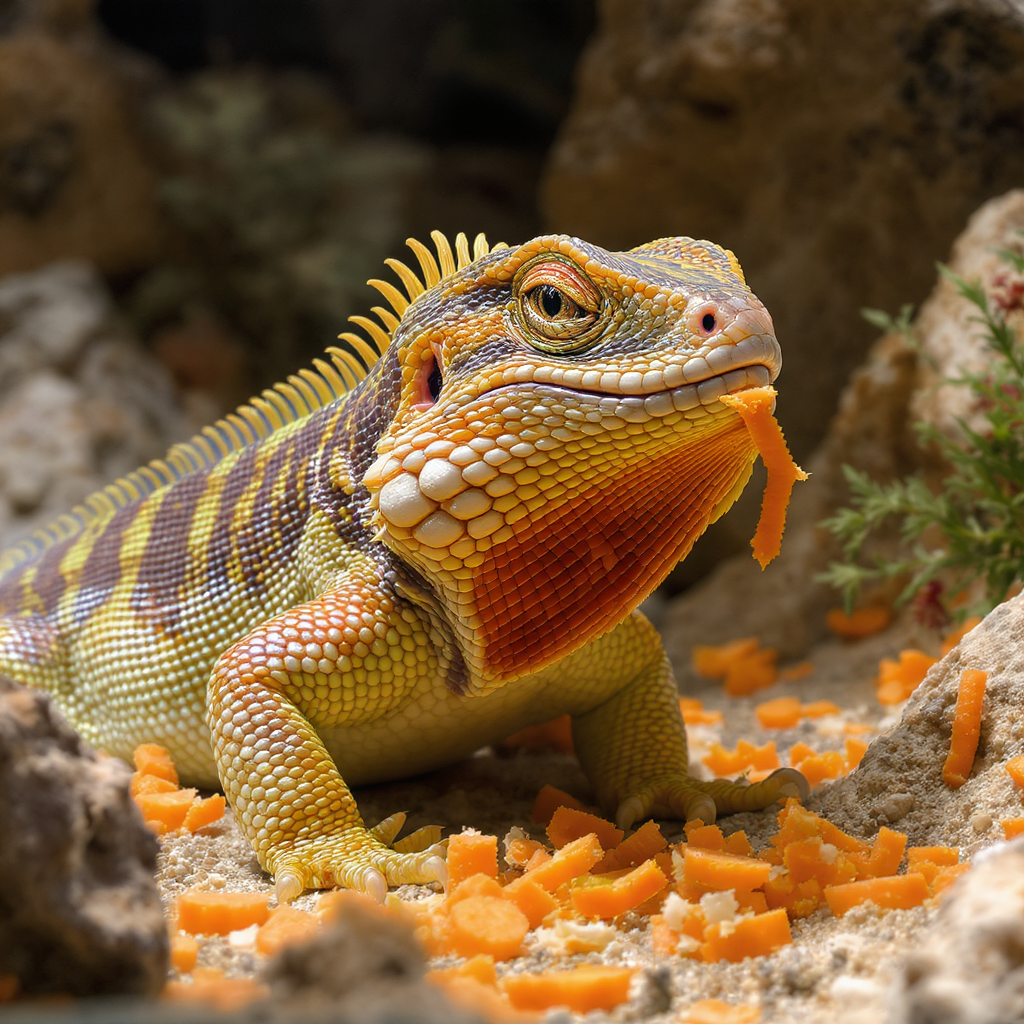
Understanding the Uromastyx Diet: A Complete Feeding Guide
Getting the uromastyx diet right is one of the most important responsibilities you have as an owner of these fascinating desert lizards. Uromastyx, also known as spiny-tailed lizards or uromastyces, are herbivores with very specific nutritional needs. Feed them incorrectly and you risk serious health complications. Feed them properly and you will enjoy a vibrant, active lizard that can live 15 to 20 years or more. This comprehensive guide covers everything you need to know about what uromastyx eat, how often to feed them, and how to keep them thriving.
What Uromastyx Eat in the Wild
In their native habitats across North Africa, the Middle East, and parts of South Asia, uromastyx survive in some of the harshest environments on Earth. Understanding their natural diet is the foundation of proper captive care. Wild uromastyx are primarily herbivorous, foraging for a wide variety of plant matter including desert grasses, wildflowers, seeds, leaves, and various drought-resistant plants. They have evolved to extract moisture from their food rather than relying on standing water sources, which makes their dietary hydration requirements unique compared to many other reptiles.
Wild uromastyx also consume seeds from various desert plants, which form an important caloric component of their diet particularly during dry seasons when leafy vegetation is scarce. This natural behavior means that seeds should also play a role in your captive feeding regimen, though vegetables and greens should remain the dominant food source.
Best Vegetables and Greens for Uromastyx
The backbone of any healthy uromastyx diet should be a rotating variety of leafy greens and vegetables. Rotating foods prevents dietary deficiencies and keeps your lizard interested in eating. Here are the best options to include regularly:
Worried About Your Reptile's Health?
Upload a photo and get instant AI health analysis. Catch problems before they become expensive vet bills.
Get Free Health Check →- Collard greens – High in calcium and a nutritional powerhouse for uromastyx
- Dandelion greens – Excellent source of vitamins A, C, and K with a good calcium-to-phosphorus ratio
- Mustard greens – Nutrient-dense and readily accepted by most uromastyx
- Turnip greens – Rich in calcium and a great staple rotation food
- Endive and escarole – Low in oxalates and highly nutritious
- Butternut squash – Provides beta-carotene and variety in texture
- Bell peppers – High in vitamin C and usually loved by uromastyx
- Snap peas and green beans – Offer good fiber and nutrients as occasional additions
You should avoid feeding spinach, kale, and beet greens as staples because they contain high levels of oxalic acid, which can bind calcium and lead to metabolic bone disease over time. These can be offered very occasionally as a treat but should never dominate the diet.
Seeds: An Important Part of the Uromastyx Diet
Seeds are a natural and important component of the uromastyx diet that many new owners overlook. Offering a seed mix as roughly 20 to 30 percent of the total diet mimics their wild foraging behavior and provides healthy fats and protein. The best seeds for uromastyx include:
- Millet (both white and red)
- Lentils (dried or slightly sprouted)
- Dried split peas
- Dried beans (lentils and split peas preferred)
- Quinoa (rinsed and dried)
Avoid sunflower seeds and other high-fat seeds as a primary offering, as they can lead to obesity. Sprouting seeds slightly before offering them increases their nutritional value and digestibility significantly.
Foods to Avoid in a Uromastyx Diet
Just as important as knowing what to feed your uromastyx is knowing what to avoid. Certain foods can be harmful or even fatal to these lizards. Never feed your uromastyx the following:
Never Miss Early Warning Signs
AI photo analysis catches subtle health issues humans miss 80% of the time. Early detection = healthier reptile + lower vet bills.
Start Free Trial →- Animal protein – Unlike many other reptiles, uromastyx should not eat insects, meat, or eggs regularly. Their digestive systems are not designed to process high amounts of animal protein and it can cause serious kidney damage over time.
- Iceberg lettuce – Has almost no nutritional value and can cause diarrhea
- Avocado – Toxic to reptiles
- Rhubarb – Contains toxic oxalic acid compounds
- Wild-caught insects or plants – Risk of pesticide exposure and parasites
- Fruit in large quantities – High sugar content can disrupt gut health; only offer rarely as a treat
Feeding Frequency by Age
How often you feed your uromastyx depends significantly on their age and life stage. Getting this right is critical for proper growth and long-term health.
Baby and Juvenile Uromastyx (Under 18 Months)
Young uromastyx grow rapidly and need daily feeding. Offer fresh greens and a small portion of seed mix every day. Remove uneaten food within a few hours to maintain hygiene and prevent bacteria growth in the enclosure. At this stage, growth and calcium intake are especially important.
Adult Uromastyx (18 Months and Older)
Adult uromastyx can be fed five to six days per week, with one or two fasting days each week to allow their digestive system to rest. Continue offering a varied mix of greens with seeds making up no more than 25 percent of total food volume.
Hydration Tips for Uromastyx
One of the most common misconceptions about uromastyx is that they do not need water. While it is true that they obtain most of their hydration from fresh vegetables, you should still provide a very shallow water dish a few times per week. Many uromastyx will ignore it entirely, but others will drink occasionally. Misting leafy greens lightly before offering them is another excellent way to boost moisture intake without risking the high humidity levels that can cause respiratory infections in these desert lizards. Never allow the overall enclosure humidity to rise above 30 to 40 percent.
Join thousands of successful reptile owners
Try ReptileCoach Free →Supplements for a Balanced Uromastyx Diet
Even the best diet benefits from supplementation. Dust your uromastyx’s food with a quality calcium supplement without vitamin D3 three to four times per week, since they should be getting their D3 from proper UVB lighting. A multivitamin supplement with vitamin D3 can be added once or twice per month to round out any nutritional gaps. Be careful not to over-supplement, as excessive vitamin A or D3 can cause toxicity.
Get Personalized Uromastyx Care Advice
Every uromastyx is unique, and while this guide covers the essentials of the uromastyx diet, personalized guidance can make a significant difference in your lizard’s health and happiness. Whether you are a first-time owner or an experienced keeper looking to optimize your care routine, professional reptile advice is invaluable. Visit Reptile Coach today to get expert, personalized reptile care recommendations tailored specifically to your uromastyx and your unique setup. Your lizard deserves the best, and the right guidance makes all the difference.
Ready to Give Your Reptile the Best Care?
Stop guessing and start knowing. Get personalized AI-powered care guidance, photo health analysis, and 24/7 expert advice for YOUR specific reptile.
Get Personalized Care Guidance
AI-powered photo analysis and daily care tracking for YOUR reptile
Try Free for 7 Days →