
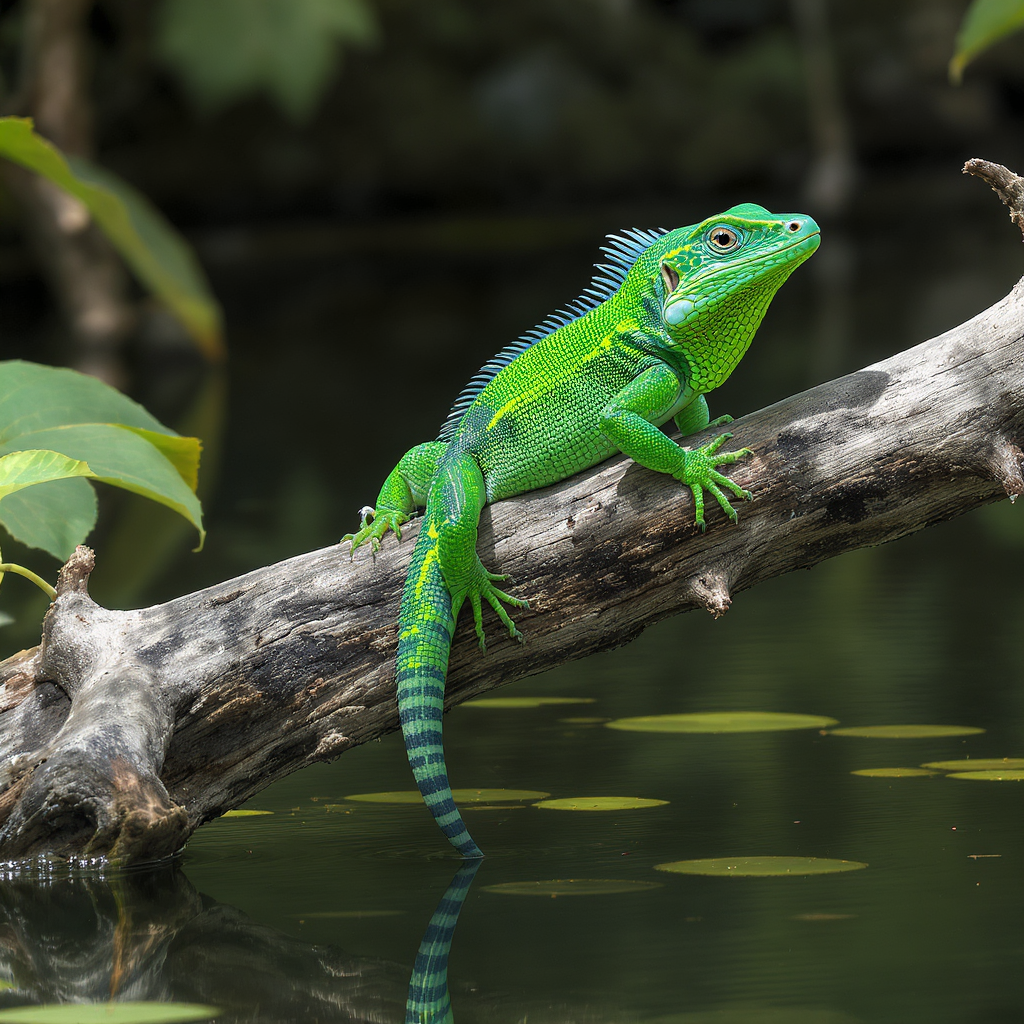
Chinese Water Dragon Care Guide for Beginners: Everything You Need to Know
Chinese water dragons are among the most stunning reptiles you can keep as pets. With their vibrant green scales, expressive eyes, and active personalities, these lizards have won the hearts of reptile enthusiasts worldwide. However, caring for a Chinese water dragon requires commitment, proper research, and the right setup. This comprehensive beginner’s guide covers everything you need to give your water dragon a long, healthy, and happy life.
Enclosure Size and Setup for Chinese Water Dragons
One of the most critical aspects of Chinese water dragon care is providing an appropriately sized enclosure. These lizards are active climbers and swimmers, so they need plenty of vertical and horizontal space to thrive.
Recommended Enclosure Dimensions
- Juveniles (under 12 months): A 40-gallon tank is suitable as a starting point.
- Adults: A minimum enclosure size of 6 feet tall by 3 feet wide by 3 feet deep is strongly recommended. Bigger is always better.
Enclosure Setup Essentials
Chinese water dragons are native to the tropical forests of Southeast Asia and southern China, so their enclosure should mimic that environment as closely as possible.
- Substrate: Use coconut fiber, organic topsoil, or a bioactive substrate blend to retain moisture and support humidity levels.
- Climbing branches: Add multiple thick branches and cork bark pieces for climbing and basking opportunities.
- Water feature: Include a large, shallow water dish or even a small pond area. Water dragons love to soak and swim, and access to water is essential for their well-being.
- Live or artificial plants: Dense foliage helps your dragon feel secure and contributes to maintaining humidity. Pothos, ficus, and hibiscus are popular live plant choices.
Temperature and Humidity Requirements
Getting the temperature and humidity right is non-negotiable when it comes to Chinese water dragon care. Incorrect levels are among the leading causes of stress and illness in captive water dragons.
Worried About Your Reptile's Health?
Upload a photo and get instant AI health analysis. Catch problems before they become expensive vet bills.
Get Free Health Check →Temperature Gradient
- Basking spot: 90 to 95 degrees Fahrenheit
- Warm side ambient temperature: 80 to 85 degrees Fahrenheit
- Cool side ambient temperature: 75 to 80 degrees Fahrenheit
- Nighttime temperature: No lower than 70 degrees Fahrenheit
Use a combination of a basking bulb and ceramic heat emitters to achieve and maintain these temperatures. Always monitor with a reliable digital thermometer or temperature gun rather than analog gauges.
Humidity Levels
Chinese water dragons require high humidity levels between 70 and 80 percent throughout the enclosure. Low humidity leads to dehydration, shedding problems, and respiratory infections. Mist the enclosure two to three times daily, use a fogger or automatic misting system, and choose moisture-retaining substrate to keep humidity in the optimal range.
UVB Lighting: A Non-Negotiable Requirement
Proper UVB lighting is absolutely essential for Chinese water dragons. Without adequate UVB exposure, water dragons cannot synthesize vitamin D3, which leads to metabolic bone disease, a painful and potentially fatal condition.
Choosing the Right UVB Bulb
- Use a high-output linear UVB bulb, such as an Arcadia T5 HO 6% or a Zoo Med Reptisun T5 HO 5.0.
- The UVB bulb should span at least two-thirds of the enclosure’s length.
- Position the bulb so your dragon can bask within 8 to 12 inches of the light source without any mesh blocking UVB rays.
- Replace UVB bulbs every 6 to 12 months, as UV output degrades even when the bulb still appears to emit visible light.
Maintain a consistent photoperiod of 12 to 14 hours of light during warmer months and 10 to 12 hours during cooler months to simulate natural seasonal cycles.
Never Miss Early Warning Signs
AI photo analysis catches subtle health issues humans miss 80% of the time. Early detection = healthier reptile + lower vet bills.
Start Free Trial →Diet and Feeding Schedule for Chinese Water Dragons
Chinese water dragons are omnivores, meaning they eat both insects and plant matter. A varied and balanced diet is key to preventing nutritional deficiencies.
Recommended Foods
- Insects: Crickets, dubia roaches, black soldier fly larvae, mealworms, and waxworms (as occasional treats).
- Vegetables and greens: Collard greens, mustard greens, dandelion greens, butternut squash, and bell peppers.
- Fruits: Offer sparingly as treats — blueberries, raspberries, and mango are popular choices.
- Occasional protein: Small feeder fish, pinky mice, or hard-boiled eggs can be offered occasionally for adult dragons.
Feeding Schedule
- Juveniles: Feed daily, offering insects at every meal along with greens.
- Adults: Feed every other day, with a mix of insects and leafy greens.
Dust feeder insects with calcium powder at every feeding and with a multivitamin supplement two to three times per week. Gut-load insects with nutritious foods before offering them to your dragon.
Handling and Taming Your Chinese Water Dragon
Chinese water dragons can become quite tame and even enjoy human interaction when handled consistently and gently from a young age. However, patience is essential, especially with a newly acquired or wild-caught dragon.
- Start with short handling sessions of 5 to 10 minutes and gradually increase duration as your dragon becomes more comfortable.
- Always approach slowly and support the dragon’s body fully to prevent stress and injury.
- Never grab your dragon from above, as this mimics a predator attack and triggers a fear response.
- Wash your hands before and after handling to prevent the transfer of bacteria or scents.
- Allow a newly acquired water dragon two to four weeks to acclimate before handling regularly.
With time and consistency, many Chinese water dragons become confident, curious companions who actively approach their owners.
Join thousands of successful reptile owners
Try ReptileCoach Free →Common Health Issues in Chinese Water Dragons
Even with excellent care, water dragons can develop health problems. Recognizing the signs early makes a significant difference in treatment outcomes.
- Metabolic bone disease (MBD): Caused by calcium and vitamin D3 deficiency. Symptoms include soft jaw, tremors, and difficulty moving. Prevented with proper UVB lighting and supplementation.
- Rostrum abrasions (snout rubbing): Water dragons frequently rub their snouts against glass enclosures. Use opaque barriers on lower enclosure walls to reduce this behavior.
- Respiratory infections: Usually caused by low temperatures or excessive humidity. Watch for wheezing, mucus, or labored breathing.
- Parasites: Both internal and external parasites can affect water dragons. Regular fecal exams by a reptile veterinarian are recommended.
- Dysecdysis (retained shed): Incomplete shedding caused by low humidity. Soaking and maintaining proper humidity typically resolves this issue.
Get Personalized Chinese Water Dragon Care Advice
Caring for a Chinese water dragon is a deeply rewarding experience, but every dragon is unique and may have individual needs that go beyond general guidelines. If you want tailored advice specific to your water dragon’s enclosure, diet, behavior, or health concerns, visit Reptile Coach today. Their personalized reptile care platform connects you with expert guidance designed to help your water dragon thrive from day one through every stage of life.
Ready to Give Your Reptile the Best Care?
Stop guessing and start knowing. Get personalized AI-powered care guidance, photo health analysis, and 24/7 expert advice for YOUR specific reptile.
Get Personalized Care Guidance
AI-powered photo analysis and daily care tracking for YOUR reptile
Try Free for 7 Days →