
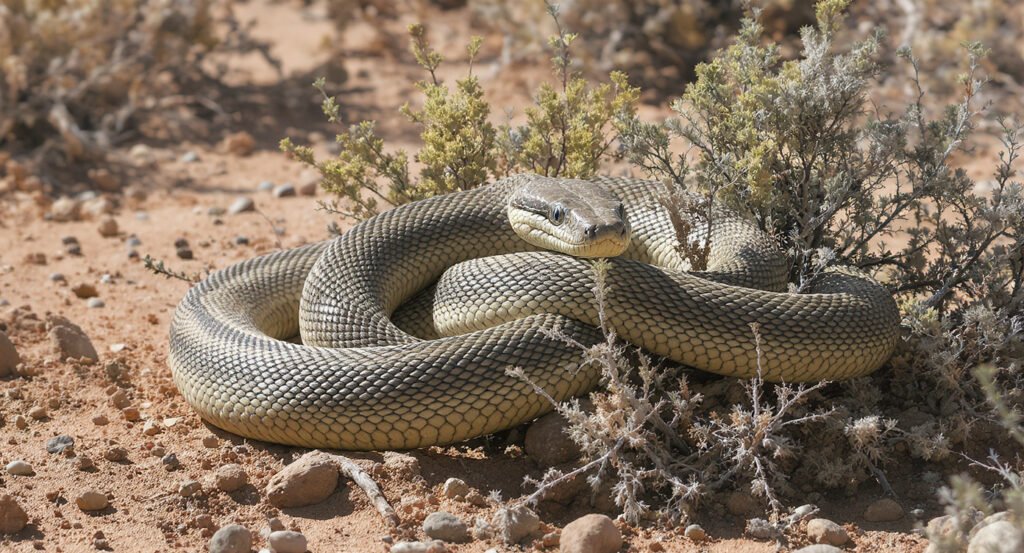
Sand boas are among the most rewarding pet snakes for both beginners and experienced keepers. These small, docile constrictors are known for their calm temperament and manageable size, making them perfect for those looking to enter the world of snake keeping. Whether you’re considering a Kenyan sand boa or another species, understanding their specific care requirements will help ensure your pet thrives for years to come.
Understanding Sand Boa Basics
Sand boas belong to the family Boidae and are native to arid regions across Africa and Asia. The most commonly kept species in captivity is the Kenyan sand boa (Eryx colubrinus), which typically reaches 15-30 inches in length. These snakes are fossorial, meaning they spend much of their time burrowed beneath the substrate, with only their head exposed as they wait for prey.
Unlike many other snake species, sand boas have a stocky, cylindrical body with a blunt tail that resembles their head—a defensive adaptation that confuses predators. Their lifespan in captivity can reach 20-30 years with proper care, making them a long-term commitment.
Setting Up the Perfect Sand Boa Enclosure
Enclosure Size and Type
A 10-20 gallon terrarium is sufficient for most adult sand boas, though larger is always better. Glass aquariums with secure screen tops work well, as do plastic tubs with proper ventilation. The key is ensuring the enclosure is escape-proof, as these snakes are surprisingly strong for their size.
Worried About Your Reptile's Health?
Upload a photo and get instant AI health analysis. Catch problems before they become expensive vet bills.
Get Free Health Check →Substrate Selection
Since sand boas are burrowing snakes, substrate choice is critical. Aspen shavings are the gold standard—they’re safe, affordable, and allow natural burrowing behavior. You’ll want a depth of at least 3-4 inches so your snake can fully submerge itself. Avoid sand despite the name, as it can cause impaction if ingested during feeding. Other suitable options include coconut husk and paper-based bedding.
Temperature and Humidity
Sand boas require a thermal gradient in their enclosure. The warm side should be maintained at 90-95°F using an under-tank heater or heat mat, while the cool side should stay around 75-80°F. Always use a thermostat to prevent overheating, and monitor temperatures with reliable thermometers on both ends.
Humidity should be kept relatively low at 30-50%, mimicking their natural arid habitat. A small water dish provides drinking water and helps maintain baseline humidity. During shedding, you can slightly increase humidity by misting one area of the enclosure or providing a humid hide.
Feeding Your Sand Boa
Sand boas are opportunistic feeders in the wild, and in captivity, they thrive on a diet of appropriately sized rodents. Hatchlings typically eat pinky mice every 5-7 days, while adults can be fed adult mice or small rats every 10-14 days. The prey item should be no wider than the thickest part of your snake’s body.
Never Miss Early Warning Signs
AI photo analysis catches subtle health issues humans miss 80% of the time. Early detection = healthier reptile + lower vet bills.
Start Free Trial →Most keepers prefer frozen-thawed prey for safety and convenience. Thaw the rodent in warm water, then offer it with tongs to avoid accidental bites. Sand boas are generally enthusiastic eaters, though they may refuse food during breeding season or before shedding. If your snake refuses food for more than a month, consult a reptile veterinarian.
Handling and Temperament
One of the biggest advantages of sand boas is their docile nature. They rarely bite and tolerate handling well, though they’re not as active as some other species. Handle your sand boa 2-3 times per week for 10-15 minutes to maintain socialization, but avoid handling for 48 hours after feeding to prevent regurgitation.
When picking up your sand boa, gently scoop from underneath rather than grabbing from above, which can trigger a defensive response. Support their body fully and move slowly—these snakes aren’t built for speed and can become stressed by sudden movements.
Common Sand Boa Care Mistakes
Even experienced keepers can fall into certain traps when caring for sand boas. Here are the most frequent mistakes to avoid:
Join thousands of successful reptile owners
Try ReptileCoach Free →- Using sand as substrate: Despite their name, actual sand can cause serious health issues including impaction and respiratory problems.
- Inadequate heating: Without proper temperatures, sand boas cannot digest food properly, leading to regurgitation and health decline.
- Overhandling: While docile, sand boas are naturally reclusive and can become stressed with excessive interaction.
- Cohabitation: Never house multiple sand boas together except for brief breeding attempts. They’re solitary animals and can become stressed or aggressive.
- Skipping quarantine: New snakes should be quarantined for 60-90 days to prevent spreading potential parasites or diseases to other reptiles.
Pro Tips for Sand Boa Success
Taking your sand boa care to the next level involves understanding the subtle details that make a difference:
- Provide multiple hides on both the warm and cool sides, even though your snake will spend most time buried.
- Use a digital thermostat rather than analog for precise temperature control.
- Keep a feeding log to track meals, sheds, and any behavioral changes—this helps identify health issues early.
- Offer a variety of prey sizes as your snake grows rather than jumping to much larger items too quickly.
- Consider adding a small amount of sphagnum moss to one corner during shed cycles to create a humid microclimate.
Ready for personalized reptile care advice? Try ReptileCoach free today and get expert guidance tailored to your pet.
Health Monitoring and Veterinary Care
Regular health checks are essential for catching problems early. Watch for signs of illness including refusal to eat for extended periods, labored breathing, mouth gaping, unusual lethargy, or difficulty shedding. A healthy sand boa should have clear eyes (except just before shedding), smooth scales, and a rounded body condition.
Find a reptile-experienced veterinarian before you need one. Annual checkups can catch parasites and other issues before they become serious. Keep your veterinarian’s contact information readily available for emergencies.
"This app saved my bearded dragon's life. The AI caught early MBD in photos I thought looked completely normal. Worth every penny!"
— Sarah K., ReptileCoach User
Get Your Free 7-Day Trial →Conclusion
Sand boas represent an excellent choice for snake enthusiasts of all experience levels. Their modest size, calm temperament, and straightforward care requirements make them ideal for those seeking a rewarding reptile companion without overwhelming complexity. By providing appropriate housing, maintaining proper temperatures, offering regular meals, and respecting their natural behaviors, you’ll enjoy many years with these fascinating snakes.
Remember that every sand boa has its own personality—some are more outgoing while others prefer to stay hidden. Patience and consistency in care will help you build a positive relationship with your pet while ensuring they live a long, healthy life in your care.
Ready to Give Your Reptile the Best Care?
Stop guessing and start knowing. Get personalized AI-powered care guidance, photo health analysis, and 24/7 expert advice for YOUR specific reptile.
Get Personalized Care Guidance
AI-powered photo analysis and daily care tracking for YOUR reptile
Try Free for 7 Days →