
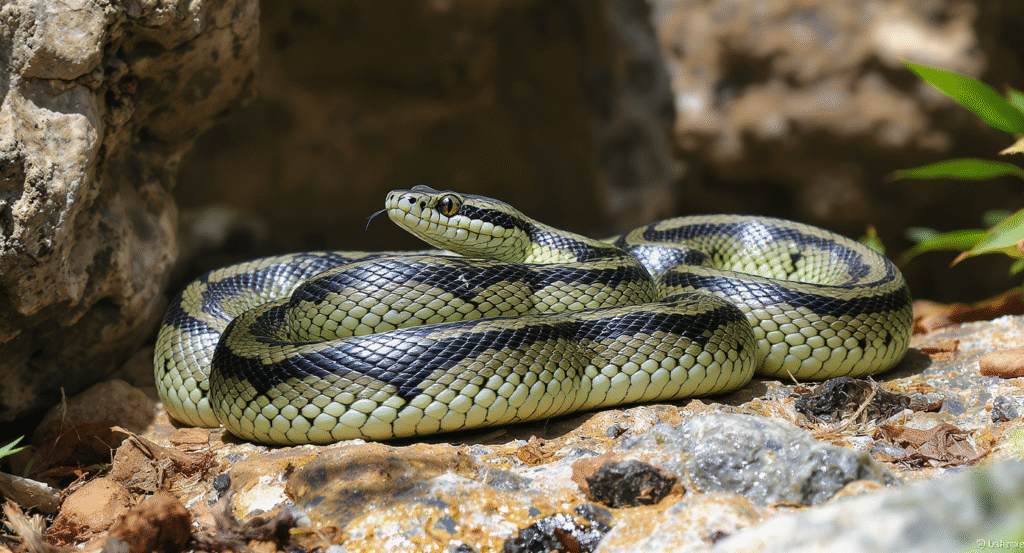
If you’re looking for a hardy, beautiful, and beginner-friendly reptile, the king snake is one of the best choices you can make. Known for their docile temperament, stunning color patterns, and relatively straightforward care requirements, king snakes have earned a top spot among reptile enthusiasts worldwide. Whether you’re setting up your first enclosure or simply want to make sure you’re providing the best possible care, this complete king snake care guide has everything you need to get started.
What Is a King Snake?
King snakes belong to the genus Lampropeltis and are native to North America. They earned their regal name because they prey on other snakes, including venomous species — they have a natural immunity to pit viper venom. Popular pet species include the California king snake (Lampropeltis californiae), the Mexican black king snake, and the scarlet king snake. Most adults reach 3–5 feet, making them a very manageable size for beginner keepers.
King Snake Setup: Building the Perfect Enclosure
Getting your king snake setup right from the start is one of the most important steps you can take as a new owner. A proper enclosure not only keeps your snake healthy but also reduces stress, which is a key factor in long-term wellbeing.
Enclosure Size
For juvenile king snakes, a 20-gallon tank is a great starting point. As your snake grows, upgrade to a 40-gallon breeder tank or larger. A good rule of thumb: the enclosure should be at least two-thirds the length of your snake. Front-opening terrariums are preferred by many keepers because they are less stressful during feeding and handling.
Worried About Your Reptile's Health?
Upload a photo and get instant AI health analysis. Catch problems before they become expensive vet bills.
Get Free Health Check →Temperature and Humidity
King snakes are ectotherms — they rely on external heat sources to regulate body temperature. Your enclosure should have a thermal gradient. Aim for:
- Warm side: 85–90°F (29–32°C)
- Cool side: 70–75°F (21–24°C)
- Nighttime ambient: No lower than 65°F (18°C)
- Humidity: 40–60%, slightly higher during shedding
Use an under-tank heating mat with a reliable thermostat. Avoid heat rocks — they cause burns. A digital thermometer with a probe is essential for accurate monitoring.
Lighting
King snakes don’t require UVB lighting like many lizards, but a consistent 12-hour light / 12-hour dark cycle supports their natural circadian rhythm. Ambient room lighting or a low-wattage bulb works fine.
Substrate and Décor
Aspen shavings are a popular substrate choice because king snakes love to burrow. Cypress mulch and coconut fiber are also excellent, particularly for slightly higher humidity. Avoid cedar and pine — the aromatic oils are toxic to snakes.
Never Miss Early Warning Signs
AI photo analysis catches subtle health issues humans miss 80% of the time. Early detection = healthier reptile + lower vet bills.
Start Free Trial →Provide at least two hides — one on the warm side, one on the cool side — so your snake always has a retreat. Add branches, cork bark, and artificial plants for environmental enrichment. A sturdy water dish large enough for soaking should always be available.
King Snake Feeding: What and How Often
King snake feeding is one of the most enjoyable parts of keeping these reptiles. They are enthusiastic eaters with strong feeding responses — ideal for beginners who worry about picky snakes.
What Do King Snakes Eat?
In captivity, feed pre-killed or frozen-thawed rodents. Live prey can injure your snake, so always use pre-killed mice or rats. Prey size should be roughly the same diameter as the widest part of your snake’s body to ensure proper digestion and minimize regurgitation risk.
Feeding Frequency
Juvenile king snakes (under 12 months) should be fed every 5–7 days. Adults can be fed every 7–14 days. Overfeeding causes obesity and shortens lifespan. Wait at least 48 hours after feeding before handling to prevent regurgitation.
Join thousands of successful reptile owners
Try ReptileCoach Free →Handling Your King Snake
One of the biggest advantages of king snakes is their calm, curious temperament. Most will tolerate regular handling once comfortable in their new home. Allow a newly acquired snake 1–2 weeks to settle before handling sessions begin.
Start with 10–15 minute sessions, gradually increasing duration. Always support the snake’s full body length, and never grab from above — this triggers a defensive response. Never handle during shedding or within 48 hours of a meal.
Essential King Snake Care Tips
- Use a secure enclosure with a locking lid — king snakes are notorious escape artists
- Always pair heating equipment with a thermostat to prevent dangerous temperature spikes
- Spot-clean weekly; do a full substrate change monthly
- Provide fresh, clean water at all times — change every 2–3 days
- Never handle when your snake has cloudy, blue-tinted eyes — it’s preparing to shed
- House king snakes separately — they will eat other snakes
- Schedule an annual wellness check with a reptile-experienced vet
- Monitor weight regularly to catch signs of illness early
Common Health Issues in King Snakes
King snakes are robust, but watch for these concerns: Respiratory infections occur when humidity is too high or temperatures too low — symptoms include wheezing, mucus around the mouth, and lethargy. Mites and internal parasites are possible, especially in wild-caught individuals. Always source from a reputable captive breeder. Incomplete shedding (dysecdysis) usually indicates low humidity and can be resolved with a warm, moist hide or a gentle soak.
Why King Snakes Make Great Beginner Pets
The king snake checks nearly every box for an ideal beginner reptile: hardy, adaptable, reliable eater, handleable, and a lifespan of 15–25 years with proper care. Wide availability through reputable breeders and relatively low maintenance costs make them an outstanding entry point into snake keeping. With the right setup and consistent care routine, a king snake will reward you with years of fascinating behavior and interaction.
"This app saved my bearded dragon's life. The AI caught early MBD in photos I thought looked completely normal. Worth every penny!"
— Sarah K., ReptileCoach User
Get Your Free 7-Day Trial →Want personalized guidance for your king snake? Get personalized reptile care advice from ReptileCoach — tailored to your snake’s species, age, and needs.
Ready to Give Your Reptile the Best Care?
Stop guessing and start knowing. Get personalized AI-powered care guidance, photo health analysis, and 24/7 expert advice for YOUR specific reptile.
Get Personalized Care Guidance
AI-powered photo analysis and daily care tracking for YOUR reptile
Try Free for 7 Days →