
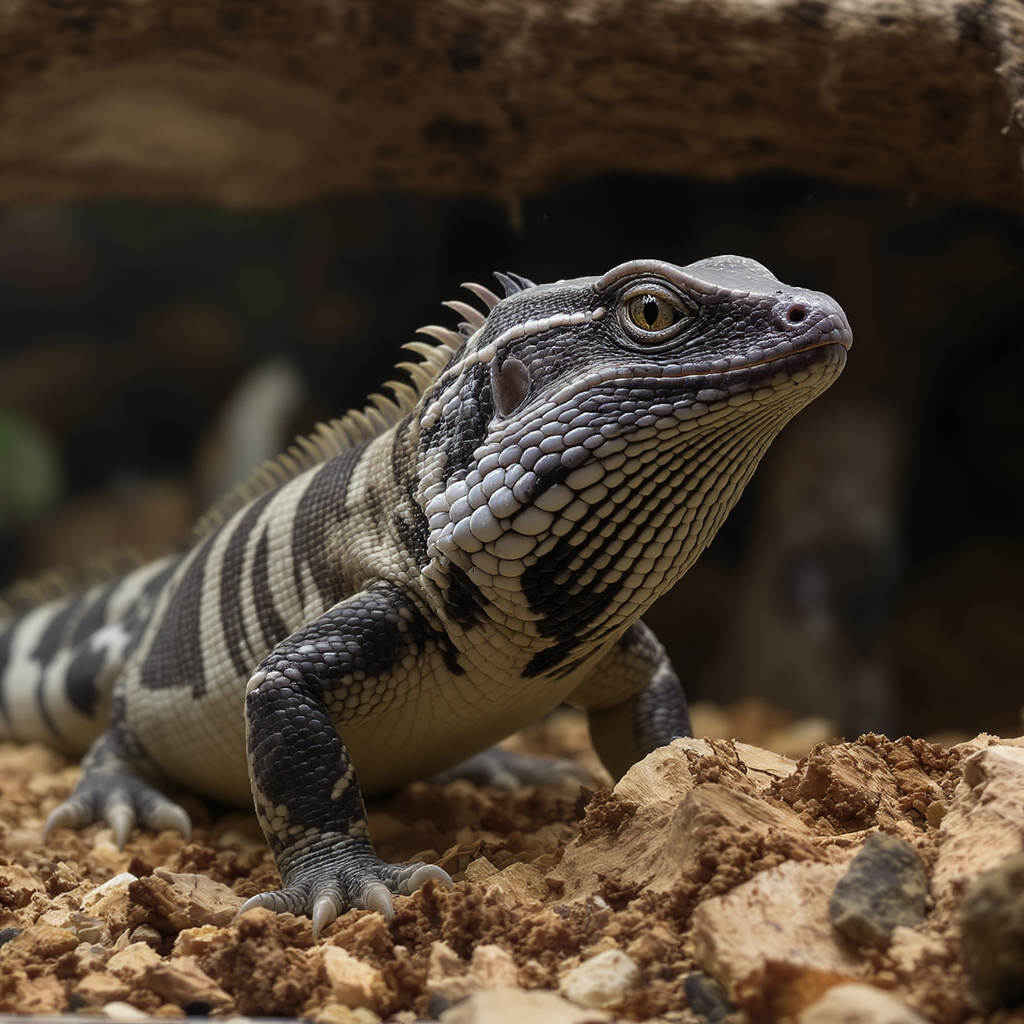
Tegus are among the most intelligent and personable reptiles you can keep as pets. These large, omnivorous lizards from South America have captured the hearts of reptile enthusiasts worldwide with their dog-like personalities and impressive cognitive abilities. If you’re considering adding a tegu to your family, this comprehensive care guide will walk you through everything you need to know to provide proper care for these remarkable creatures.
Species Overview: Argentine Black and White vs Colombian Tegus
The two most common tegu species in the pet trade are the Argentine black and white tegu (Salvator merianae) and the Colombian tegu (Tupinambis teguixin). Understanding the differences between these species is crucial for proper care.
Argentine Black and White Tegus are the most popular choice for beginners. They typically reach 3.5 to 4.5 feet in length and can weigh up to 15 pounds. These tegus are known for their striking black and white banding pattern and generally calmer temperament. They undergo brumation (a hibernation-like state) during winter months, which is a natural part of their lifecycle.
Colombian Tegus are slightly smaller, usually reaching 3 to 3.5 feet in length. They display more varied coloration with gold, green, and black patterns. Colombian tegus are more active year-round and don’t typically brumate as deeply as their Argentine cousins. They tend to be more skittish and require more patience during the taming process.
Worried About Your Reptile's Health?
Upload a photo and get instant AI health analysis. Catch problems before they become expensive vet bills.
Get Free Health Check →Enclosure Size Requirements
Tegus are large, active lizards that require substantial space to thrive. Providing adequate enclosure size is non-negotiable for their physical and mental well-being.
For juvenile tegus (up to 2 feet long), a minimum enclosure size of 4 feet long by 2 feet wide by 2 feet tall is acceptable. However, they grow rapidly, so many keepers start with larger enclosures to avoid frequent upgrades.
Adult tegus require a minimum of 8 feet long by 4 feet wide by 4 feet tall. Many experienced keepers recommend even larger enclosures or dedicated reptile rooms. The more space you can provide, the better. Custom-built enclosures are often the best solution, as commercially available reptile enclosures rarely meet the size requirements for adult tegus.
Your enclosure should include multiple hiding spots, a large water dish for soaking, climbing branches, and a deep substrate layer (at least 12-18 inches) for burrowing. Tegus are intelligent and benefit from environmental enrichment like rearranging décor, puzzle feeders, and supervised exploration time outside their enclosure.
Never Miss Early Warning Signs
AI photo analysis catches subtle health issues humans miss 80% of the time. Early detection = healthier reptile + lower vet bills.
Start Free Trial →Temperature and Humidity Requirements
Proper temperature gradients and humidity levels are essential for tegu health, affecting everything from digestion to immune function.
Temperature: Create a thermal gradient with a basking spot of 100-110°F and a cool side of 75-80°F. Nighttime temperatures can drop to 70-75°F. Use a combination of heat sources like ceramic heat emitters, radiant heat panels, and basking bulbs to achieve these temperatures. Always monitor temperatures with reliable digital thermometers or temperature guns.
Humidity: Maintain humidity levels between 60-80%. Argentine tegus can tolerate slightly lower humidity (60-70%), while Colombian tegus prefer the higher end (70-80%). Achieve proper humidity through regular misting, a large water bowl, and moisture-retaining substrate like cypress mulch or coconut coir. A hygrometer is essential for monitoring humidity levels accurately.
During brumation periods (typically November through February for Argentine tegus), gradually reduce temperatures and daylight hours to mimic natural seasonal changes.
Join thousands of successful reptile owners
Try ReptileCoach Free →Diet and Feeding Schedule
Tegus are omnivores with hearty appetites and specific nutritional needs that change as they mature.
Juvenile tegus (0-2 years) require a protein-heavy diet consisting of approximately 70% animal protein and 30% fruits and vegetables. Feed them daily, offering appropriately sized prey items like insects (dubia roaches, crickets, hornworms), ground turkey, chicken, eggs, and occasional pinkie mice. Dust insects with calcium powder at every feeding and multivitamin powder 2-3 times weekly.
Adult tegus (2+ years) should transition to a more balanced diet of 50% protein and 50% fruits and vegetables. Feed adults 3-4 times per week. Protein sources include whole prey items (mice, rats, chicks), insects, eggs, fish, and lean meats. Vegetables should include dark leafy greens, squash, and bell peppers. Fruits like berries, melons, and papaya can be offered in moderation.
Avoid feeding tegus dog or cat food, processed meats, or foods high in oxalates like spinach. Always provide fresh water daily in a bowl large enough for soaking.
"This app saved my bearded dragon's life. The AI caught early MBD in photos I thought looked completely normal. Worth every penny!"
— Sarah K., ReptileCoach User
Get Your Free 7-Day Trial →Taming and Handling Tips
Tegus are renowned for their intelligence and capacity to form bonds with their keepers, but proper taming requires patience and consistency.
Initial acclimation: Give your new tegu at least one week to settle into their enclosure before attempting handling. During this time, only interact during feeding and basic maintenance.
Building trust: Start by hand-feeding treats and spending time near the enclosure so your tegu becomes accustomed to your presence. Speak softly and move slowly to avoid startling them.
First handling sessions: Begin with short 5-10 minute sessions, supporting the tegu’s entire body. Never grab from above, as this mimics predator behavior. Instead, scoop from below or the side. Gradually increase handling duration as your tegu becomes more comfortable.
Worried About Your Reptile's Health?
Upload a photo and get instant AI health analysis. Catch problems before they become expensive vet bills.
Get Free Health Check →Reading body language: Learn to recognize stress signals like tail whipping, huffing, or attempting to flee. If your tegu displays these behaviors, return them to their enclosure and try again later. Positive signs include calm demeanor, tongue flicking (exploring), and relaxed body posture.
With consistent, gentle interaction, most tegus become docile and even seek out human interaction. Some tegus enjoy supervised outdoor time in secure enclosures during warm weather.
Common Health Issues
Understanding common health problems helps you recognize issues early and seek veterinary care promptly.
Metabolic Bone Disease (MBD): Caused by calcium deficiency or improper UVB lighting. Symptoms include lethargy, tremors, soft jaw, and difficulty walking. Prevention includes proper supplementation and UVB exposure.
Never Miss Early Warning Signs
AI photo analysis catches subtle health issues humans miss 80% of the time. Early detection = healthier reptile + lower vet bills.
Start Free Trial →Respiratory Infections: Often result from improper temperatures or humidity. Watch for wheezing, mucus around the nose or mouth, and labored breathing. Requires veterinary treatment with antibiotics.
Parasites: Both internal and external parasites are common in reptiles. Annual fecal exams by a reptile veterinarian are recommended. Symptoms include weight loss, lethargy, and abnormal feces.
Obesity: Overfeeding is a common problem with tegus. Monitor body condition and adjust feeding frequency if your tegu becomes overweight. An obese tegu will have fat deposits around the neck and tail base.
Shedding issues: Incomplete sheds can occur with improper humidity. Ensure adequate humidity and provide a humid hide. Stuck shed around toes can restrict blood flow and requires attention.
Join thousands of successful reptile owners
Try ReptileCoach Free →Always work with a veterinarian experienced in reptile medicine. Annual check-ups are recommended even for apparently healthy tegus.
Take Your Tegu Care to the Next Level
Caring for a tegu is a long-term commitment that requires dedication, proper knowledge, and consistent care routines. These intelligent lizards can live 15-20 years with proper care, providing decades of companionship.
Ready to optimize your tegu care routine? Check out our reptile care tracking app to monitor feeding schedules, track growth, log health observations, and set reminders for important care tasks. Proper record-keeping helps you identify patterns and ensure your tegu receives consistent, high-quality care.
Remember that tegu ownership isn’t for everyone. These large lizards require significant space, financial investment, and time commitment. However, for dedicated keepers willing to meet their needs, tegus offer a uniquely rewarding reptile-keeping experience with their intelligence, personality, and interactive nature that rivals many traditional pets.
"This app saved my bearded dragon's life. The AI caught early MBD in photos I thought looked completely normal. Worth every penny!"
— Sarah K., ReptileCoach User
Get Your Free 7-Day Trial →Ready to Give Your Reptile the Best Care?
Stop guessing and start knowing. Get personalized AI-powered care guidance, photo health analysis, and 24/7 expert advice for YOUR specific reptile.
Get Personalized Care Guidance
AI-powered photo analysis and daily care tracking for YOUR reptile
Try Free for 7 Days →