
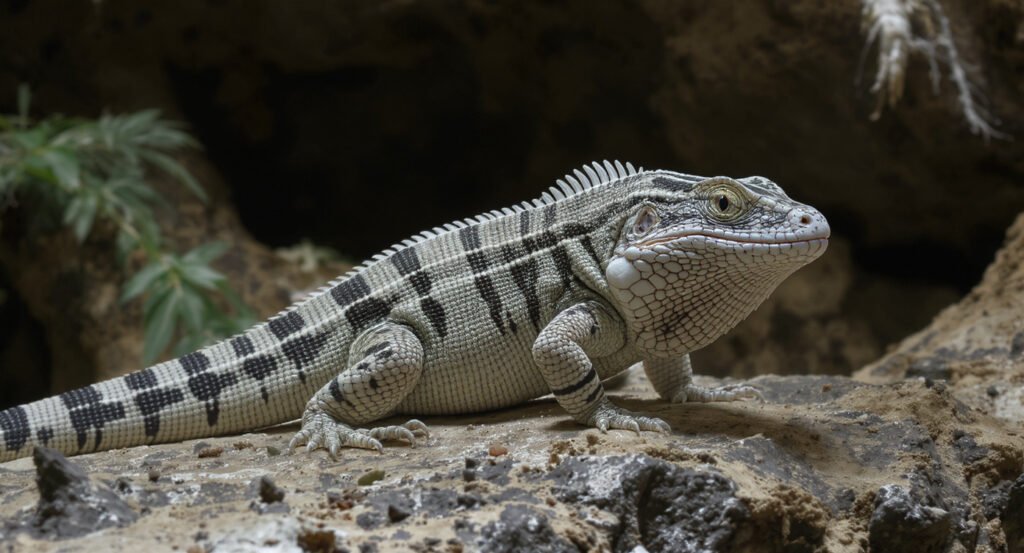
Tegus are among the most rewarding reptiles you can keep as a pet. Known for their dog-like intelligence, curious personalities, and impressive size, these South American lizards have earned a devoted following in the reptile hobby. Whether you’re considering your first tegu or looking to refine your husbandry skills, this comprehensive tegu care guide covers everything you need to raise a healthy, happy lizard.
What Is a Tegu?
Tegus belong to the family Salvatoridae and are native to South America. The most popular species kept as pets include the Argentine Black and White Tegu (Salvator merianae), the Argentine Red Tegu, the Colombian Tegu, and the Gold Tegu. Argentine tegus are the most commonly kept species due to their manageable temperament and wide availability. Adults typically reach 4 to 5 feet in length, making them a substantial commitment in terms of space and care.
Setting Up the Perfect Tegu Enclosure
Housing is one of the most critical aspects of tegu care. These are large, active lizards that need plenty of room to roam, dig, and explore.
- Hatchlings (0–6 months): A 40–75 gallon tank is suitable to start.
- Juveniles (6–18 months): Upgrade to a 4×2×2 foot enclosure minimum.
- Adults: A 6×3×3 foot or larger custom enclosure is highly recommended. Many keepers build custom wooden enclosures to accommodate adult tegus comfortably.
Tegus are powerful diggers, so providing a substrate depth of at least 6–12 inches is essential. A mixture of topsoil, play sand, and cypress mulch creates an ideal burrowing medium that retains moisture well and mimics their natural environment.
Worried About Your Reptile's Health?
Upload a photo and get instant AI health analysis. Catch problems before they become expensive vet bills.
Get Free Health Check →Temperature and Lighting Requirements
As ectotherms, tegus rely on external heat sources to regulate their body temperature. A proper thermal gradient is non-negotiable for their health and digestion.
- Basking spot: 110–130°F
- Warm side ambient: 85–90°F
- Cool side ambient: 75–80°F
- Nighttime low: No lower than 70°F
Use high-wattage basking bulbs or halogen flood lights to achieve basking temperatures. UVB lighting is strongly recommended — a T5 HO UVB bulb (10.0 or 12%) placed 12–18 inches above the basking area will support proper calcium metabolism and overall health. Run your lights on a 12-hour on/12-hour off cycle to maintain a natural photoperiod.
Humidity and Hydration
Tegus thrive in moderate to high humidity environments. Aim for a relative humidity of 60–80% throughout the enclosure. Deep, moisture-retaining substrate helps maintain humidity levels naturally. You can also mist one side of the enclosure daily and provide a large, shallow water dish for soaking. Tegus drink frequently and enjoy bathing, so keeping fresh, clean water available at all times is essential.
Feeding Your Tegu
Tegus are opportunistic omnivores in the wild, and their captive diet should reflect that variety. A balanced, protein-rich diet supports their rapid growth and long-term health.
Never Miss Early Warning Signs
AI photo analysis catches subtle health issues humans miss 80% of the time. Early detection = healthier reptile + lower vet bills.
Start Free Trial →- Protein sources: Whole prey items like mice, rats, quail, and chicks are excellent staples. Raw ground turkey, whole eggs, and organ meats are also great options.
- Fruits and vegetables: Offer leafy greens, berries, papaya, mango, and squash as part of a well-rounded diet.
- Insects: Dubia roaches, superworms, and hornworms are nutritious feeders, especially for juveniles.
- Avoid: Processed meats, citrus fruits, avocado, and high-fat dog or cat food as a staple.
Dust food items with a calcium supplement 3–4 times per week and a multivitamin supplement once weekly. Hatchlings and juveniles should be fed daily, while adults do well on a feeding schedule of every other day or 3–4 times per week. Monitor your tegu’s weight and body condition to adjust feeding frequency as needed.
Tegu Handling and Temperament
One of the standout qualities of tegus — especially Argentine tegus — is their capacity for tameness and bonding with their owners. With consistent, gentle handling from a young age, tegus can become remarkably docile and even seek out human interaction.
Start handling sessions short (5–10 minutes) and increase duration gradually as your tegu becomes more comfortable. Always support their full body weight and avoid sudden movements. Hissing, tail whipping, and puffing are signs of stress — give your tegu space and try again later. Most tegus tame down significantly within a few months of regular handling.
Brumation: The Winter Slowdown
Argentine tegus undergo a natural period of brumation (reptile hibernation) during the cooler months, typically from October through March. During this time, your tegu may refuse food, become sluggish, and spend extended periods sleeping. This is completely normal behavior. Reduce feeding frequency as appetite decreases, ensure your tegu is well-hydrated going into brumation, and maintain a cool, dark, safe space for them to rest. Most tegus emerge from brumation in spring with renewed energy and appetite.
Join thousands of successful reptile owners
Try ReptileCoach Free →Common Health Concerns
When properly cared for, tegus are hardy reptiles that can live 15–20 years in captivity. However, there are a few health issues to watch for:
- Metabolic Bone Disease (MBD): Caused by calcium deficiency or inadequate UVB exposure. Prevent with proper supplementation and lighting.
- Respiratory infections: Often linked to low temperatures or high humidity combined with poor ventilation. Maintain proper thermal gradients and airflow.
- Parasites: Wild-caught tegus may carry internal parasites. Have a fecal exam performed by a reptile-savvy vet shortly after acquisition.
- Obesity: Overfeeding is common. Monitor body condition and adjust diet accordingly.
Find a qualified reptile veterinarian in your area before you need one, and schedule annual wellness checkups to stay ahead of potential health issues.
Start Tracking Your Tegu’s Care Today
Providing consistent, high-quality care for a tegu is much easier when you stay organized. Track feeding schedules, temperatures, weight, shedding cycles, and veterinary records all in one place with the ReptileCoach App — the ultimate tool for reptile keepers who want to give their animals the best possible life. Download it today and take your tegu care to the next level.
Ready to Give Your Reptile the Best Care?
Stop guessing and start knowing. Get personalized AI-powered care guidance, photo health analysis, and 24/7 expert advice for YOUR specific reptile.
Get Personalized Care Guidance
AI-powered photo analysis and daily care tracking for YOUR reptile
Try Free for 7 Days →