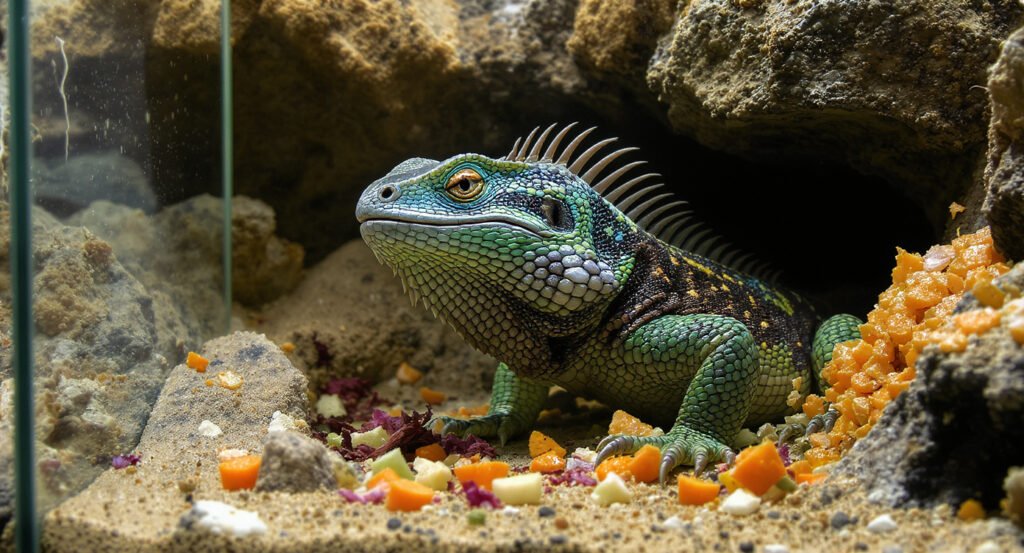
Uromastyx lizards, also known as spiny-tailed lizards, are herbivorous reptiles that require a specialized diet to thrive in captivity. Understanding proper uromastyx nutrition is essential for maintaining your pet’s health, vibrant coloration, and longevity. This comprehensive guide covers everything you need to know about feeding your uromastyx.
Understanding Uromastyx Dietary Needs
Unlike many popular pet lizards, uromastyx are primarily herbivores with a digestive system adapted to process fibrous plant material. In their natural desert habitat, these lizards consume a variety of drought-resistant plants, seeds, and flowers. Replicating this diet in captivity requires careful attention to nutritional balance and food variety.
The uromastyx diet should consist of approximately 95% plant matter and only 5% or less animal protein. Juvenile uromastyx may occasionally consume insects, but adults should receive an almost exclusively vegetarian diet to prevent health issues like gout and kidney problems.
Best Foods for Your Uromastyx
Staple Greens and Vegetables
The foundation of a healthy uromastyx diet includes nutrient-dense leafy greens and vegetables. These should be offered daily and make up the bulk of each meal:
Worried About Your Reptile's Health?
Upload a photo and get instant AI health analysis. Catch problems before they become expensive vet bills.
Get Free Health Check →- Collard greens – High in calcium and vitamins
- Dandelion greens – Excellent calcium-to-phosphorus ratio
- Endive and escarole – Low in oxalates, high in fiber
- Turnip greens – Rich in vitamins A and C
- Mustard greens – Nutrient-dense with good calcium content
- Arugula – Adds variety and palatability
- Butternut squash – Good source of vitamin A
- Bell peppers – Provides vitamin C and color variety
Occasional Vegetables and Treats
These foods can be offered 2-3 times per week to add variety to your uromastyx diet:
- Carrots (shredded)
- Green beans
- Snap peas
- Okra
- Cactus pads (opuntia)
- Hibiscus flowers and leaves
- Rose petals (pesticide-free)
Seeds and Lentils
Uromastyx naturally consume seeds in the wild. Offer small amounts of bird seed mixes, lentils, or split peas 1-2 times per week. These provide protein and enrichment as your lizard will enjoy foraging for them.
Foods to Avoid
Certain foods can be harmful to uromastyx and should be avoided entirely:
- Spinach and beet greens – High in oxalates that bind calcium
- Iceberg lettuce – Nutritionally deficient
- Avocado – Toxic to reptiles
- Rhubarb – Contains toxic compounds
- Excessive fruit – High sugar content can cause digestive issues
- Insects for adults – Can lead to gout and kidney disease
- Animal protein – Not suitable for adult uromastyx digestive systems
Feeding Schedule and Portion Sizes
Adult uromastyx should be fed daily, preferably in the morning after they’ve had time to bask and raise their body temperature. Offer a salad bowl approximately the size of your lizard’s body. Remove uneaten food after 12 hours to prevent spoilage.
Never Miss Early Warning Signs
AI photo analysis catches subtle health issues humans miss 80% of the time. Early detection = healthier reptile + lower vet bills.
Start Free Trial →Juvenile uromastyx (under 1 year) may be fed twice daily with slightly smaller portions. As they grow, gradually transition to once-daily feeding.
Supplementation for Optimal Health
Even with a varied diet, uromastyx benefit from calcium and vitamin supplementation:
- Calcium powder – Dust food 3-4 times per week for adults, daily for juveniles
- Multivitamin supplement – Once weekly to ensure complete nutrition
- UVB lighting – Essential for vitamin D3 synthesis and calcium absorption
Choose calcium supplements without added vitamin D3 if you provide proper UVB lighting, as your uromastyx will synthesize D3 naturally.
Hydration Considerations
Uromastyx obtain most of their moisture from fresh vegetables and have low water requirements compared to other reptiles. However, providing a shallow water dish is still recommended, especially during shedding periods. Some uromastyx rarely drink standing water, so moisture-rich vegetables become even more important.
Join thousands of successful reptile owners
Try ReptileCoach Free →Lightly misting vegetables before serving can increase moisture intake without raising humidity levels too high, which these desert lizards don’t tolerate well.
Common Dietary Mistakes
Many new uromastyx owners make these feeding errors:
- Offering too much fruit, leading to obesity and digestive problems
- Feeding insects to adults, causing long-term kidney damage
- Providing insufficient variety, resulting in nutritional deficiencies
- Not removing uneaten food, which can spoil and cause bacterial growth
- Inadequate calcium supplementation, leading to metabolic bone disease
Signs of a Healthy Diet
When your uromastyx diet is properly balanced, you’ll notice:
- Vibrant, bright coloration
- Consistent appetite and regular eating
- Normal, well-formed droppings
- Active behavior and good muscle tone
- Steady growth in juveniles
- Successful shedding cycles
Track Your Uromastyx’s Health with Technology
Managing your uromastyx diet, feeding schedule, and overall health can be challenging. That’s where modern reptile care technology comes in. The ReptileCoach App helps you track feeding schedules, monitor weight changes, log supplements, and record health observations all in one place. With reminders for feeding times and supplementation, you’ll never miss an important aspect of your uromastyx care routine. Download the ReptileCoach App today and give your spiny-tailed lizard the consistent, optimal care they deserve.
"This app saved my bearded dragon's life. The AI caught early MBD in photos I thought looked completely normal. Worth every penny!"
— Sarah K., ReptileCoach User
Get Your Free 7-Day Trial →Ready to Give Your Reptile the Best Care?
Stop guessing and start knowing. Get personalized AI-powered care guidance, photo health analysis, and 24/7 expert advice for YOUR specific reptile.
Get Personalized Care Guidance
AI-powered photo analysis and daily care tracking for YOUR reptile
Try Free for 7 Days →