
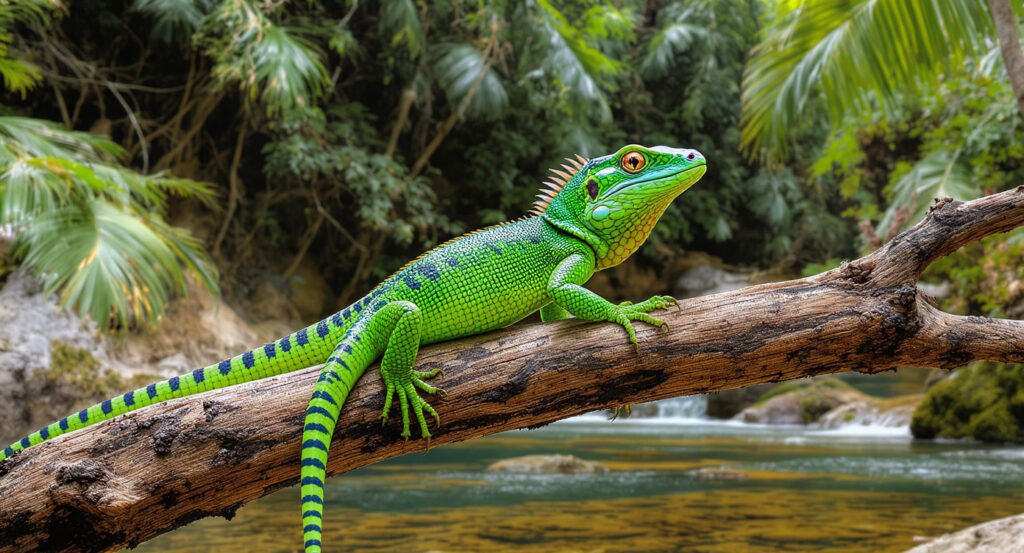
Water Dragon Care: The Complete Guide for Beginners and Experienced Keepers
Water dragons are among the most rewarding lizards you can keep as pets. With their vivid green coloration, active personalities, and impressive size, Chinese water dragons (Physignathus cocincinus) and Australian water dragons (Intellagama lesueurii) have earned a loyal following in the reptile hobby. But giving a water dragon a long, healthy life requires getting the details right — from enclosure size to humidity levels to diet variety.
This water dragon care guide covers everything you need to know to set up a proper habitat, feed a balanced diet, and recognize early signs of health problems.
Choosing the Right Enclosure
Water dragons are large, active lizards that need plenty of vertical space to climb and horizontal space to roam. A single adult requires a minimum enclosure of 6 feet tall by 4 feet wide by 3 feet deep. Bigger is always better with this species.
Enclosure Type
Screen enclosures help with ventilation but make humidity harder to maintain. Glass or PVC enclosures with partial screen tops strike a better balance. Many keepers build custom wooden vivaria with sealed, waterproof interiors to handle the high moisture levels water dragons need.
Worried About Your Reptile's Health?
Upload a photo and get instant AI health analysis. Catch problems before they become expensive vet bills.
Get Free Health Check →Substrate
Choose a substrate that holds moisture without becoming waterlogged or harboring bacteria. Good options include:
- Coconut fiber mixed with topsoil
- Organic potting mix (no perlite or fertilizers)
- Bioactive setups with live plants and a cleanup crew
Avoid sand, gravel, and paper towels for long-term setups. Water dragons spend time on the ground and benefit from a naturalistic substrate that supports their digging behavior.
Temperature and Lighting Requirements
Getting the thermal gradient right is one of the most critical parts of water dragon care. These lizards are ectotherms — they rely entirely on their environment to regulate body temperature.
Temperature Zones
- Basking spot: 90–95°F (32–35°C)
- Warm side ambient: 80–85°F (27–29°C)
- Cool side ambient: 75–80°F (24–27°C)
- Nighttime low: No lower than 70°F (21°C)
UVB Lighting
Water dragons require strong UVB exposure to synthesize vitamin D3 and metabolize calcium properly. Use a high-output linear UVB bulb — a T5 HO 10.0 or equivalent — positioned within the manufacturer’s recommended distance from the basking area. Replace UVB bulbs every 6–12 months even if they still produce visible light, as UV output degrades before the bulb burns out.
Never Miss Early Warning Signs
AI photo analysis catches subtle health issues humans miss 80% of the time. Early detection = healthier reptile + lower vet bills.
Start Free Trial →Maintain a 12-hour light cycle year-round, or adjust slightly with the seasons if you want to encourage natural behavior patterns.
Humidity and Water Access
Water dragons come from humid, subtropical and tropical environments near rivers and streams. Maintaining humidity between 70–80% is essential for healthy shedding and respiratory function.
Mist the enclosure twice daily using a pressure sprayer or automated misting system. A large water feature — deep enough for the dragon to fully submerge — is strongly recommended. Water dragons often defecate in water, so use a powerful filter or plan for frequent water changes to keep the enclosure sanitary.
Feeding Your Water Dragon
Water dragons are omnivores with a strong preference for animal protein, especially as juveniles. A varied diet keeps them nutritionally balanced and mentally stimulated.
Join thousands of successful reptile owners
Try ReptileCoach Free →Protein Sources
- Crickets and dubia roaches (staple feeders)
- Hornworms, silkworms, and black soldier fly larvae
- Occasional pinky mice for adults
- Earthworms and waxworms as treats
Plant Matter
Adults should have 10–20% of their diet come from leafy greens and vegetables. Collard greens, mustard greens, dandelion greens, and squash are all good choices. Avoid spinach and kale as staples due to their oxalate and goitrogen content.
Supplementation
Dust feeder insects with calcium powder at most feedings and use a multivitamin supplement once or twice per week. Calcium deficiency leading to metabolic bone disease is one of the most common and preventable health problems in captive water dragons.
Handling and Temperament
Water dragons can become quite tame with consistent, gentle handling from a young age. Start with short sessions of 5–10 minutes and gradually increase as your dragon becomes comfortable. Avoid grabbing from above, which mimics a predator attack and triggers a stress response.
Signs of a stressed water dragon include darkening coloration, gaping, tail whipping, and attempting to flee. Give a stressed animal time to settle before resuming handling sessions.
"This app saved my bearded dragon's life. The AI caught early MBD in photos I thought looked completely normal. Worth every penny!"
— Sarah K., ReptileCoach User
Get Your Free 7-Day Trial →Common Health Issues to Watch For
Even well-cared-for water dragons can develop health problems. Knowing the warning signs helps you act quickly.
Rostral Abrasions
Water dragons frequently rub their snouts against enclosure walls, especially when first introduced to a new setup. This can cause serious facial injuries. Covering three sides of the enclosure with a background and adding visual barriers reduces this behavior.
Metabolic Bone Disease
Caused by insufficient calcium or UVB exposure, MBD presents as soft or deformed bones, tremors, and difficulty moving. It is largely preventable with proper lighting and supplementation.
Parasites and Respiratory Infections
Wheezing, mucus around the mouth or nostrils, and lethargy can indicate a respiratory infection. Internal parasites may cause weight loss and abnormal stools. Both conditions require a visit to a reptile-experienced veterinarian.
Worried About Your Reptile's Health?
Upload a photo and get instant AI health analysis. Catch problems before they become expensive vet bills.
Get Free Health Check →Take Your Water Dragon Care Further
Water dragons are a long-term commitment — they can live 10–15 years in captivity with proper care. Whether you are setting up your first enclosure or troubleshooting a health concern, having reliable guidance makes all the difference.
The ReptileCoach app gives you access to expert care guides, feeding schedules, and a community of experienced keepers who can help you at every stage of ownership. Download the ReptileCoach app and give your water dragon the care it deserves.
Ready to Give Your Reptile the Best Care?
Stop guessing and start knowing. Get personalized AI-powered care guidance, photo health analysis, and 24/7 expert advice for YOUR specific reptile.
Get Personalized Care Guidance
AI-powered photo analysis and daily care tracking for YOUR reptile
Try Free for 7 Days →