Understanding the Uromastyx Diet: A Comprehensive Feeding Guide
Uromastyx lizards, also known as spiny-tailed lizards, are fascinating herbivorous reptiles that require a specialized diet to thrive in captivity. Understanding what uromastyx eat and how to properly feed them is crucial for their health and longevity. This complete uromastyx feeding guide will help you provide optimal nutrition for your spiny-tailed companion.
What Do Uromastyx Eat in the Wild?
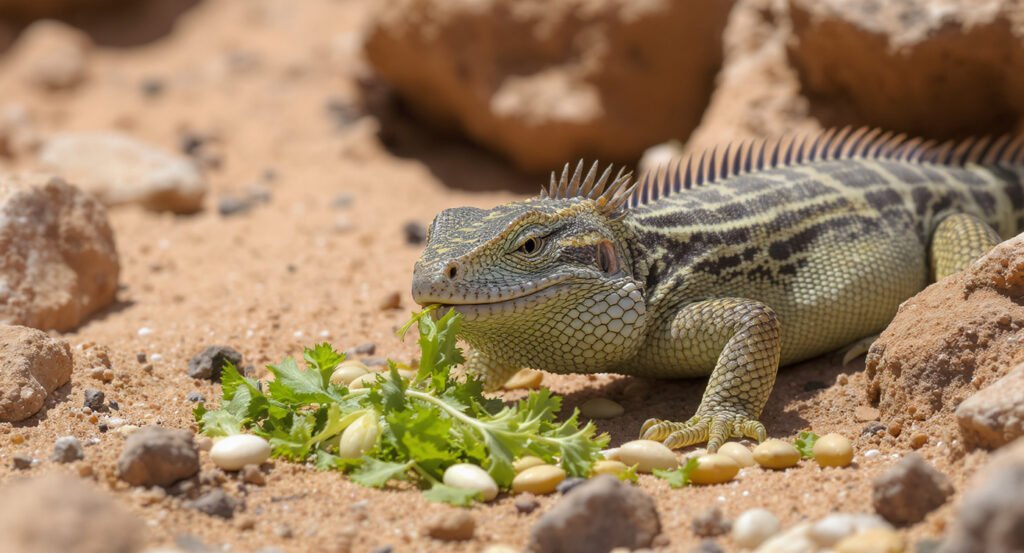
In their natural habitat across North Africa and the Middle East, uromastyx are primarily herbivorous, feeding on a variety of desert vegetation. Their wild diet consists of:
- Desert grasses and dried vegetation
- Flowers and seed pods from native plants
- Leaves from drought-resistant shrubs
- Seeds that have fallen to the ground
- Occasional insects (though this is rare and not a dietary staple)
The uromastyx diet in the wild is high in fiber and relatively low in protein, which is essential to replicate in captivity. These lizards have evolved to extract maximum nutrition from sparse desert plants, making them efficient digesters of tough, fibrous material.
Best Vegetables for Your Uromastyx Diet
When creating a proper uromastyx feeding guide for captivity, focus on dark leafy greens and vegetables that mimic their natural food sources. The best vegetables include:
Worried About Your Reptile's Health?
Upload a photo and get instant AI health analysis. Catch problems before they become expensive vet bills.
Get Free Health Check →Primary Staple Greens
- Collard greens – High in calcium and fiber
- Dandelion greens – Excellent calcium-to-phosphorus ratio
- Turnip greens – Nutrient-dense and readily available
- Mustard greens – Rich in vitamins and minerals
- Endive and escarole – Low in oxalates, high in fiber
Supplementary Vegetables
- Butternut squash (grated)
- Yellow squash
- Bell peppers (red and yellow)
- Okra
- Green beans
- Lentils (cooked and cooled)
Variety is key in the uromastyx diet. Rotate between different greens and vegetables to ensure your lizard receives a broad spectrum of nutrients. Aim for at least 3-4 different types of greens in each feeding.
Seeds and Grains: Important Dietary Components
Seeds form an important part of what uromastyx eat, providing essential fats and proteins. Offer a seed mix 2-3 times per week, including:
- Millet seeds
- Lentils (dry or sprouted)
- Grass seeds
- Safflower seeds
- Split peas
- Quinoa
Keep seed portions small – about 10-15% of the total diet. Too many seeds can lead to obesity and health issues in captive uromastyx.
Foods to Avoid in Your Uromastyx Feeding Guide
Certain foods can be harmful or provide poor nutrition for uromastyx. Avoid these items:
Never Miss Early Warning Signs
AI photo analysis catches subtle health issues humans miss 80% of the time. Early detection = healthier reptile + lower vet bills.
Start Free Trial →Never Feed
- Spinach and chard – High in oxalates that bind calcium
- Iceberg lettuce – No nutritional value
- Cabbage and broccoli – Goitrogenic compounds interfere with thyroid function
- Avocado – Toxic to reptiles
- Rhubarb – Contains toxic compounds
Limit or Avoid
- Fruits (too high in sugar; offer rarely as treats)
- Animal protein (insects, meat) – Can cause kidney and liver damage
- High-protein vegetables like peas in large quantities
- Processed human foods
Remember, the uromastyx diet should be 95% plant-based, with the remaining 5% consisting of seeds and occasional treats.
Uromastyx Feeding Schedule and Portions
Establishing a consistent feeding schedule is crucial for your uromastyx’s health:
Juvenile Uromastyx (Under 1 Year)
Feed daily with fresh greens and vegetables. Juveniles are growing rapidly and need consistent nutrition. Offer portions about the size of their head, and remove uneaten food after 4-6 hours.
Adult Uromastyx (Over 1 Year)
Feed 4-5 times per week. Adults have slower metabolisms and can become obese with daily feeding. Provide a generous salad that they can graze on throughout the day.
Join thousands of successful reptile owners
Try ReptileCoach Free →Feeding Time Tips
- Feed in the morning after basking lights have been on for 2-3 hours
- Ensure proper basking temperatures (110-130°F) for digestion
- Chop vegetables into appropriate sizes – smaller for juveniles, larger for adults
- Mix greens thoroughly so your uromastyx can’t pick out favorites
- Use a shallow dish to prevent substrate ingestion
Hydration: A Critical Component of the Uromastyx Diet
While uromastyx get most of their moisture from food, proper hydration is still important:
- Mist vegetables lightly before feeding to add moisture
- Provide a shallow water dish, though many uromastyx won’t drink from it
- Offer a warm soak (85-90°F) once weekly for 15-20 minutes
- Increase vegetable moisture content during shedding periods
- Monitor for signs of dehydration: sunken eyes, wrinkled skin, lethargy
Never force-feed water or spray your uromastyx directly, as this can cause stress and respiratory issues.
Supplements for a Complete Uromastyx Feeding Guide
Even with a varied diet, supplements help ensure optimal nutrition:
- Calcium powder (without D3) – Dust food 3-4 times weekly for juveniles, 2-3 times for adults
- Multivitamin powder – Once weekly for all ages
- Ensure proper UVB lighting (10-12% UVB bulb) for vitamin D3 synthesis
Common Uromastyx Diet Mistakes to Avoid
Many new keepers make these feeding errors:
"This app saved my bearded dragon's life. The AI caught early MBD in photos I thought looked completely normal. Worth every penny!"
— Sarah K., ReptileCoach User
Get Your Free 7-Day Trial →- Feeding too much protein or animal matter
- Offering fruit too frequently
- Not providing enough variety in greens
- Feeding without proper basking temperatures
- Using supplements with D3 when UVB lighting is adequate
- Overfeeding adults, leading to obesity
Get Expert Guidance for Your Uromastyx Care
Creating the perfect uromastyx diet requires attention to detail and ongoing learning. Every lizard is unique, and their nutritional needs may vary based on age, species, and health status. If you want personalized advice tailored to your specific uromastyx, get personalized reptile care advice on ReptileCoach. Our expert platform helps you optimize every aspect of your uromastyx’s care, from diet to habitat setup.
By following this comprehensive uromastyx feeding guide and understanding what uromastyx eat both in the wild and in captivity, you’ll be well-equipped to provide your spiny-tailed lizard with a nutritious, balanced diet that supports their health and longevity for years to come.
Ready to Give Your Reptile the Best Care?
Stop guessing and start knowing. Get personalized AI-powered care guidance, photo health analysis, and 24/7 expert advice for YOUR specific reptile.
Get Personalized Care Guidance
AI-powered photo analysis and daily care tracking for YOUR reptile
Try Free for 7 Days →