
Complete Guide to Water Dragon Care for Beginners
Chinese water dragons are stunning, intelligent reptiles that make rewarding pets for dedicated keepers. With their vibrant green coloring, impressive size, and semi-aquatic nature, these lizards require specialized care to thrive in captivity. This comprehensive water dragon care guide will walk you through everything you need to know about Chinese water dragon care, from proper enclosure setup to diet and health maintenance.
Species Overview: Understanding Your Water Dragon
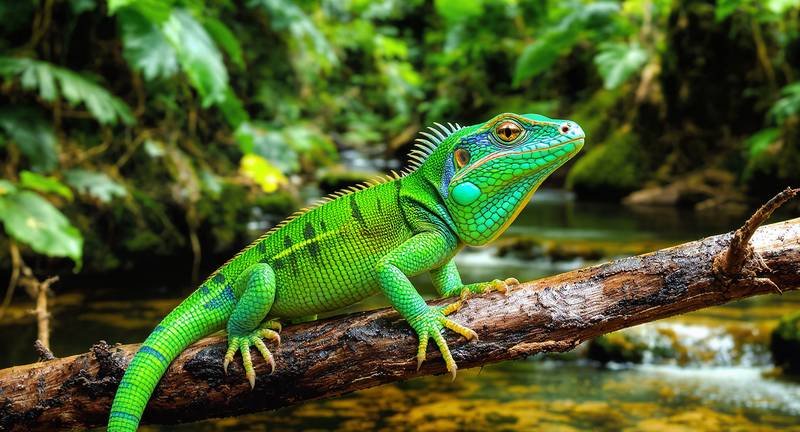
The Chinese water dragon (Physignathus cocincinus) is a large, arboreal lizard native to the forests of Southeast Asia. These impressive reptiles can grow up to 3 feet in length, with males typically larger than females. They’re characterized by their beautiful green coloration, prominent dorsal crest, and long, powerful tail that makes up nearly two-thirds of their body length.
Water dragons are diurnal, meaning they’re active during the day, and are semi-aquatic by nature. In the wild, they spend time both in trees near water sources and swimming in streams and rivers. This dual lifestyle is crucial to replicate in captivity for proper water dragon care.
With proper care, Chinese water dragons can live 10-15 years in captivity, making them a long-term commitment. They’re generally docile but can be skittish, especially when young, requiring patient handling and socialization.
Worried About Your Reptile's Health?
Upload a photo and get instant AI health analysis. Catch problems before they become expensive vet bills.
Get Free Health Check →Water Dragon Setup: Enclosure Size and Requirements
Proper water dragon setup is critical for your pet’s health and wellbeing. These active, arboreal lizards need substantial space to thrive.
Enclosure Size
For adult water dragons, the minimum enclosure size should be:
- Length: 6 feet
- Width: 2-3 feet
- Height: 5-6 feet (vertical space is essential)
Juveniles can start in smaller enclosures (40-gallon tanks), but you’ll need to upgrade as they grow. Many keepers opt for custom-built enclosures or converted closets to meet the substantial space requirements for Chinese water dragon care.
Enclosure Features
Your water dragon setup should include:
Never Miss Early Warning Signs
AI photo analysis catches subtle health issues humans miss 80% of the time. Early detection = healthier reptile + lower vet bills.
Start Free Trial →- Sturdy branches: Multiple climbing branches at various heights and angles
- Live or artificial plants: Provide cover and maintain humidity
- Large water area: A pool or tub large enough for your dragon to fully submerge (at least one-third of floor space)
- Basking platform: Positioned under heat source, elevated and stable
- Substrate: Cypress mulch, coconut fiber, or reptile soil that retains moisture
- Hide boxes: At least two hides at different temperature zones
Temperature and Humidity Requirements
Maintaining proper temperature gradients and humidity levels is essential for water dragon care.
Temperature
Create a thermal gradient within the enclosure:
- Basking spot: 90-95°F (32-35°C)
- Warm side: 84-88°F (29-31°C)
- Cool side: 75-80°F (24-27°C)
- Nighttime: 70-75°F (21-24°C)
Use a combination of basking bulbs, ceramic heat emitters, and under-tank heaters to achieve these temperatures. Always monitor with reliable digital thermometers placed at different locations.
Humidity
Chinese water dragons require high humidity levels of 70-80%. Maintain humidity through:
Join thousands of successful reptile owners
Try ReptileCoach Free →- Daily misting (2-3 times per day)
- Large water feature
- Moisture-retaining substrate
- Live plants
- Automatic misting systems for consistent levels
Use a digital hygrometer to monitor humidity levels accurately. Proper humidity is crucial for healthy shedding and respiratory health in your water dragon care routine.
Diet and Feeding: Nutrition for Water Dragons
Chinese water dragons are omnivores, requiring a varied diet for optimal health.
Staple Foods
The diet should consist primarily of:
- Insects: Crickets, dubia roaches, black soldier fly larvae, silkworms (gut-loaded before feeding)
- Vegetables: Collard greens, mustard greens, butternut squash, green beans
- Fruits: Occasional treats like strawberries, blueberries, mango (10% of diet)
Feeding Schedule
- Juveniles: Feed insects daily, offer vegetables daily
- Adults: Feed insects 3-4 times weekly, vegetables available daily
Supplementation
Dust insects with:
"This app saved my bearded dragon's life. The AI caught early MBD in photos I thought looked completely normal. Worth every penny!"
— Sarah K., ReptileCoach User
Get Your Free 7-Day Trial →- Calcium powder (without D3) at most feedings
- Calcium with D3 once weekly
- Multivitamin supplement once weekly
Proper supplementation prevents metabolic bone disease, a common health issue in captive water dragons.
Water and Hydration
As their name suggests, water is crucial for Chinese water dragon care. These semi-aquatic reptiles need constant access to clean water for both drinking and soaking.
Provide a large water container or pool that allows your dragon to fully submerge. The water should be:
- Changed daily or filtered continuously
- Dechlorinated (use reptile water conditioner)
- Kept at room temperature (75-80°F)
- Deep enough for swimming but with easy entry/exit points
Many water dragons will defecate in their water, making daily cleaning essential. Some keepers use small pond filters to maintain water quality between changes.
Worried About Your Reptile's Health?
Upload a photo and get instant AI health analysis. Catch problems before they become expensive vet bills.
Get Free Health Check →Handling Tips for Water Dragons
Chinese water dragons can become quite tame with regular, gentle handling, but they’re naturally skittish animals that require patience.
Best practices for handling:
- Start with short sessions (5-10 minutes) when your dragon is young
- Approach slowly and confidently; avoid sudden movements
- Support the entire body, especially the chest and hindquarters
- Never grab by the tail, which can detach as a defense mechanism
- Handle during the day when they’re most alert
- Wash hands before and after handling
If your water dragon shows signs of stress (gaping mouth, attempting to flee, tail whipping), return them to their enclosure and try again later. Building trust takes time, especially with nervous individuals.
Common Health Issues in Water Dragons
Understanding potential health problems helps you provide better Chinese water dragon care and catch issues early.
Never Miss Early Warning Signs
AI photo analysis catches subtle health issues humans miss 80% of the time. Early detection = healthier reptile + lower vet bills.
Start Free Trial →Metabolic Bone Disease (MBD)
Caused by calcium deficiency or improper UVB lighting. Symptoms include soft jaw, swollen limbs, lethargy, and tremors. Prevent with proper supplementation and UVB exposure.
Respiratory Infections
Result from low temperatures or humidity. Watch for wheezing, mucus around nostrils, open-mouth breathing, and lethargy. Maintain proper environmental conditions to prevent.
Parasites
Internal and external parasites are common in wild-caught specimens. Annual fecal exams by a reptile veterinarian are recommended.
Rostral Abrasions
Nose injuries from rubbing against enclosure walls, common in stressed dragons. Ensure adequate space and reduce stress factors.
Join thousands of successful reptile owners
Try ReptileCoach Free →Dysecdysis (Shedding Problems)
Incomplete sheds due to low humidity. Maintain 70-80% humidity and provide a humid hide during shedding periods.
Always consult a qualified reptile veterinarian if you notice any health concerns. Early intervention is key to successful treatment.
Start Your Water Dragon Care Journey Right
Caring for a Chinese water dragon is a rewarding experience that requires dedication, proper equipment, and ongoing education. By providing the correct water dragon setup with adequate space, maintaining appropriate temperature and humidity levels, offering a varied diet, and handling your pet with patience, you’ll help ensure a long, healthy life for your scaly companion.
Remember that every water dragon has a unique personality, and what works for one may need adjustment for another. Get personalized reptile care advice on ReptileCoach to ensure you’re meeting your specific water dragon’s needs and providing the best possible care throughout their life.
"This app saved my bearded dragon's life. The AI caught early MBD in photos I thought looked completely normal. Worth every penny!"
— Sarah K., ReptileCoach User
Get Your Free 7-Day Trial →Ready to Give Your Reptile the Best Care?
Stop guessing and start knowing. Get personalized AI-powered care guidance, photo health analysis, and 24/7 expert advice for YOUR specific reptile.
Get Personalized Care Guidance
AI-powered photo analysis and daily care tracking for YOUR reptile
Try Free for 7 Days →