
Introduction to Tegu Lizard Care
Tegus are intelligent, personable reptiles that make rewarding pets for experienced keepers. The Argentine black and white tegu is the most popular species in captivity, known for their dog-like personalities and impressive size. This comprehensive tegu care guide will walk you through everything beginners need to know about proper tegu setup, diet, handling, and health maintenance.
Understanding Your Tegu Lizard
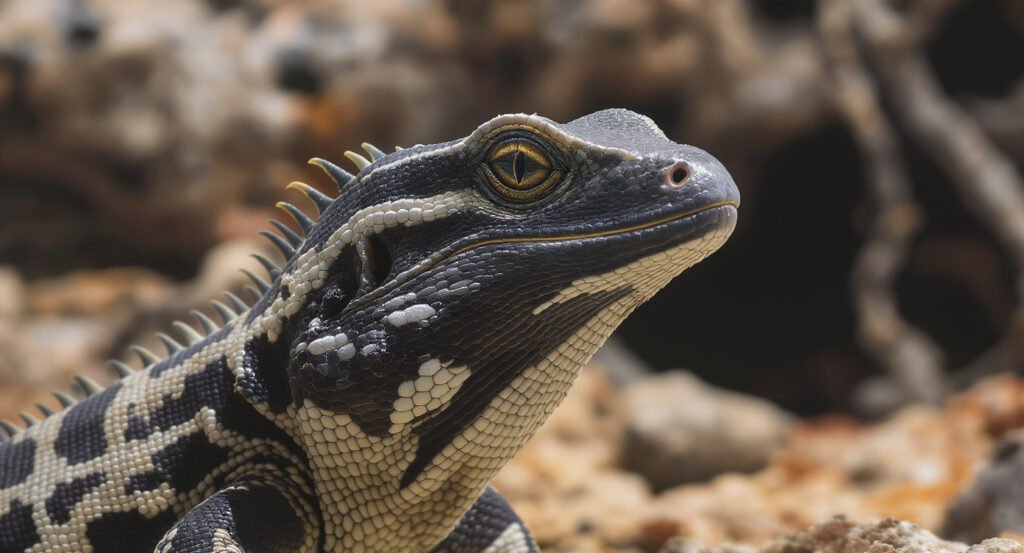
Argentine black and white tegus (Salvator merianae) are large, terrestrial lizards native to South America. Adults typically reach 3-4 feet in length and can live 15-20 years with proper care. These reptiles are highly intelligent and can recognize their owners, making them one of the most interactive lizard species available.
Before committing to tegu care, understand that these are long-term pets requiring significant space, specialized equipment, and daily attention. Their size and dietary needs make them more suitable for keepers with some reptile experience.
Essential Tegu Setup Requirements
Enclosure Size and Type
Your tegu setup is critical to their health and wellbeing. Hatchlings can start in a 40-gallon enclosure, but adults require a minimum of 8x4x4 feet. Many keepers dedicate an entire room or build custom enclosures to accommodate their tegu’s size and activity level.
Worried About Your Reptile's Health?
Upload a photo and get instant AI health analysis. Catch problems before they become expensive vet bills.
Get Free Health Check →- Hatchlings: 40-75 gallon tank
- Juveniles: 6x3x3 feet minimum
- Adults: 8x4x4 feet or larger
- Custom rooms or reptile closets work well for permanent housing
Temperature and Lighting
Proper thermal regulation is essential for tegu lizard care. Create a temperature gradient with a basking spot and cooler area:
- Basking spot: 110-120°F
- Warm side: 85-95°F
- Cool side: 75-80°F
- Nighttime: 70-75°F
Provide UVB lighting with a 10-12% UVB bulb running 12-14 hours daily. Replace UVB bulbs every 6-12 months as their output degrades over time. Use quality thermometers and temperature guns to monitor conditions accurately.
Substrate and Furnishings
Choose a substrate that allows natural digging behavior. Popular options include:
- Cypress mulch mixed with topsoil
- Coconut coir and play sand mixture
- Forest floor substrate blends
Provide substrate depth of 6-12 inches for burrowing. Include multiple hides, sturdy branches for climbing, and a large water dish for soaking. Tegus are powerful diggers, so ensure all furnishings are secure.
Never Miss Early Warning Signs
AI photo analysis catches subtle health issues humans miss 80% of the time. Early detection = healthier reptile + lower vet bills.
Start Free Trial →Tegu Diet: What to Feed Your Lizard
A balanced tegu diet is crucial for healthy growth and longevity. Tegus are omnivores requiring both protein and plant matter.
Protein Sources
Feed juveniles protein 5-6 days per week, reducing to 3-4 days for adults:
- Whole prey: mice, rats, chicks, quail
- Insects: dubia roaches, crickets, hornworms, superworms
- Cooked eggs (occasional treat)
- High-quality ground turkey or chicken (unseasoned)
Fruits and Vegetables
Offer produce daily, increasing the ratio as tegus mature:
- Leafy greens: collard greens, mustard greens, dandelion greens
- Vegetables: butternut squash, bell peppers, green beans
- Fruits: berries, mango, papaya, figs (10-20% of diet)
Dust food with calcium powder 3-4 times weekly and multivitamin powder 1-2 times weekly. Proper supplementation prevents metabolic bone disease.
Join thousands of successful reptile owners
Try ReptileCoach Free →Handling and Socialization
Tegus can become remarkably tame with consistent, positive handling. Start slowly with hatchlings, handling for 5-10 minutes daily. As trust builds, you can increase duration and interaction.
Best practices for handling:
- Support their entire body, never grab by the tail
- Approach calmly from the side, not above
- Handle regularly to maintain tameness
- Watch for stress signals: whipping, huffing, or attempts to flee
- Never handle during brumation periods
Health Monitoring and Veterinary Care
Regular health checks are essential components of tegu lizard care. Monitor for signs of illness:
- Changes in appetite or activity level
- Labored breathing or wheezing
- Swollen limbs or jaw
- Retained shed or cloudy eyes
- Abnormal feces or lack of defecation
Establish care with an exotic veterinarian experienced with reptiles. Annual check-ups help catch issues early. Common health concerns include respiratory infections, parasites, and metabolic bone disease from improper calcium supplementation.
"This app saved my bearded dragon's life. The AI caught early MBD in photos I thought looked completely normal. Worth every penny!"
— Sarah K., ReptileCoach User
Get Your Free 7-Day Trial →Brumation: Understanding the Dormancy Period
Most tegus naturally brumate (reptile hibernation) during winter months. During brumation, tegus become inactive, stop eating, and sleep for extended periods lasting 4-6 months. This is normal behavior triggered by shorter day lengths and cooler temperatures.
Preparing for brumation:
- Gradually reduce feeding and lighting in fall
- Provide a humid hide for burrowing
- Maintain access to water
- Monitor occasionally but minimize disturbance
Legal Considerations
Before acquiring a tegu, verify they are legal in your area. Some states and municipalities restrict or ban tegu ownership due to their size and potential as invasive species. Always purchase from reputable breeders who provide health guarantees and proper documentation.
Conclusion
Tegu care requires commitment, but these remarkable lizards reward dedicated keepers with years of companionship. Focus on providing appropriate space, maintaining proper temperatures, offering varied nutrition, and building trust through consistent handling. With this tegu care guide as your foundation, you’re equipped to provide excellent care for your Argentine black and white tegu.
Worried About Your Reptile's Health?
Upload a photo and get instant AI health analysis. Catch problems before they become expensive vet bills.
Get Free Health Check →Ready to optimize your reptile care routine? Track your tegu’s health with the ReptileCoach app and never miss a feeding, weight check, or health milestone.
Ready to Give Your Reptile the Best Care?
Stop guessing and start knowing. Get personalized AI-powered care guidance, photo health analysis, and 24/7 expert advice for YOUR specific reptile.
Get Personalized Care Guidance
AI-powered photo analysis and daily care tracking for YOUR reptile
Try Free for 7 Days →