
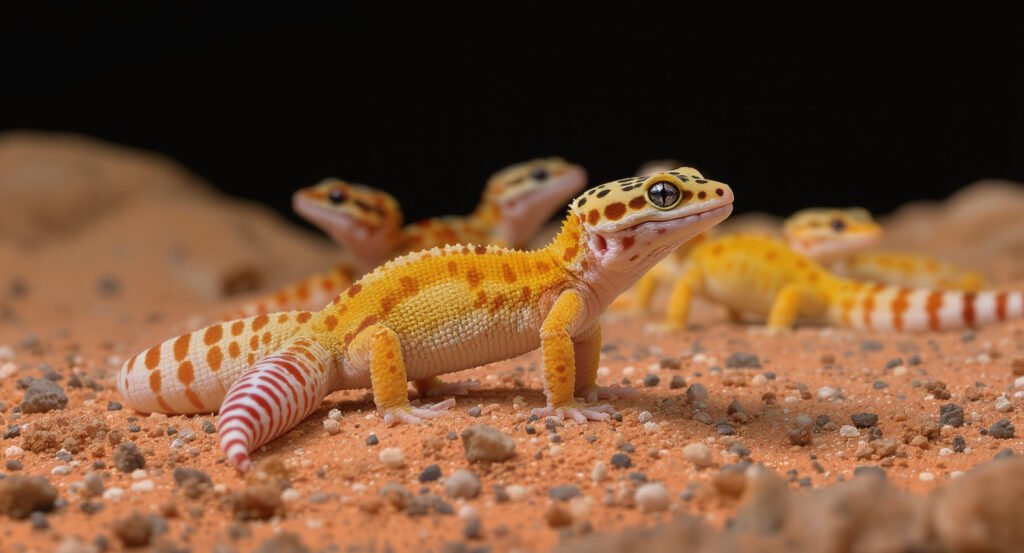
Gecko morphs represent one of the most fascinating aspects of reptile keeping, offering hobbyists an incredible array of colors, patterns, and genetic combinations. Whether you’re a beginner considering your first leopard gecko or an experienced breeder exploring rare morphs, understanding gecko genetics and morph variations is essential for making informed decisions.
What Are Gecko Morphs?
A gecko morph refers to a genetic variation that affects the animal’s physical appearance, particularly color, pattern, and eye characteristics. Through selective breeding, breeders have developed hundreds of distinct morphs, each with unique visual traits. The term “morph” comes from “polymorphism,” indicating multiple forms within a single species.
Leopard geckos are the most commonly morphed gecko species in the pet trade, though crested geckos and African fat-tailed geckos also feature diverse morph varieties. These morphs result from recessive, dominant, or co-dominant genetic traits that breeders carefully track and combine.
Popular Leopard Gecko Morphs
Normal and Wild Type Morphs
The normal or wild type leopard gecko displays yellow and black spotted patterns similar to their wild counterparts. While considered the “standard” morph, these geckos are beautiful and often more affordable for beginners. They maintain excellent health and vigor, making them ideal starter reptiles.
Worried About Your Reptile's Health?
Upload a photo and get instant AI health analysis. Catch problems before they become expensive vet bills.
Get Free Health Check →High Yellow and Tangerine Morphs
High yellow morphs feature intensified yellow coloration with reduced black spotting. Tangerine morphs take this further, displaying vibrant orange hues that range from light peach to deep carrot orange. Super hypo tangerine carrot tails (SHTCT) combine multiple traits, eliminating body spots while concentrating orange pigment in the tail.
Albino Morphs
Leopard gecko albinism comes in three distinct strains: Tremper, Bell, and Rainwater. Each strain is genetically incompatible with the others, meaning they won’t produce visual albinos when crossed. Albino geckos lack black pigment, displaying pink or red eyes and colors ranging from pale lavender to bright orange and yellow.
Blizzard and Leucistic Morphs
Blizzard morphs lack pattern entirely, appearing in solid white, yellow, or gray. These geckos have normal eyes, distinguishing them from true leucistics. Banana blizzards display yellowish tones, while midnight blizzards feature darker gray coloration.
Enigma Morphs
The enigma morph introduces unique pattern disruption and white coloring but comes with potential neurological issues. Enigma syndrome can cause balance problems, circling behavior, and feeding difficulties. Responsible breeders carefully consider these health implications before working with enigma genetics.
Never Miss Early Warning Signs
AI photo analysis catches subtle health issues humans miss 80% of the time. Early detection = healthier reptile + lower vet bills.
Start Free Trial →Black Night and Melanistic Morphs
On the opposite end of the spectrum, black night leopard geckos display extremely dark, almost solid black coloration. These rare morphs command premium prices and represent years of selective breeding for increased melanin production.
Understanding Gecko Morph Genetics
Recessive Traits
Recessive morphs require two copies of the gene (one from each parent) to be visually expressed. Examples include albino strains, blizzard, and eclipse. Geckos carrying one copy are called “het” (heterozygous) and appear normal but can produce visual offspring when bred with compatible partners.
Dominant and Co-Dominant Traits
Dominant morphs like enigma express visually with just one copy of the gene. Co-dominant traits produce different appearances depending on whether the gecko has one copy (heterozygous) or two copies (super form). The mack snow morph demonstrates co-dominance, with super snows appearing nearly white.
Polygenic Traits
Some traits like tangerine coloration result from multiple genes working together. These polygenic traits allow breeders to gradually intensify specific characteristics over multiple generations through selective breeding.
Join thousands of successful reptile owners
Try ReptileCoach Free →Caring for Different Gecko Morphs
Most gecko morphs have identical care requirements to their wild-type counterparts. However, certain morphs need special consideration:
- Albino morphs: More sensitive to bright lighting; provide adequate shade and avoid intense basking bulbs
- Enigma morphs: May require feeding assistance and adapted enclosure setups to accommodate neurological symptoms
- Eclipse morphs: Have reduced vision and benefit from simplified enclosure layouts
- White and yellow morphs: Show dirt more easily, requiring more frequent spot cleaning
Standard leopard gecko care applies across all morphs: temperatures between 88-92°F on the warm side, 70-75°F on the cool side, appropriate substrate, hiding spots, and a calcium-rich diet of appropriately sized insects.
Choosing the Right Gecko Morph
When selecting a gecko morph, consider these factors beyond appearance:
- Budget: Common morphs cost $30-100, while rare combinations can exceed $1,000
- Availability: Some morphs are readily available, while others require searching specialized breeders
- Health considerations: Research potential issues associated with specific morphs
- Future breeding plans: Understand genetic compatibility if breeding interests you
- Individual temperament: Morph doesn’t determine personality; each gecko is unique
For comprehensive care tracking and feeding schedules tailored to your specific gecko morph, check out the ReptileCoach app to simplify your reptile husbandry routine.
"This app saved my bearded dragon's life. The AI caught early MBD in photos I thought looked completely normal. Worth every penny!"
— Sarah K., ReptileCoach User
Get Your Free 7-Day Trial →Morph Market Trends and Ethics
The gecko morph market continues evolving with new combinations appearing regularly. While stunning visual traits attract enthusiasts, ethical breeding prioritizes animal health over appearance. Reputable breeders avoid producing morphs with known health defects and maintain genetic diversity within their breeding programs.
When purchasing morphed geckos, buy from established breeders who provide health guarantees, accurate genetic information, and ongoing support. Avoid supporting breeding practices that prioritize extreme traits at the expense of animal welfare.
Final Thoughts on Gecko Morphs
Gecko morphs offer incredible diversity for reptile enthusiasts, from affordable beginner-friendly options to rare collector specimens. Understanding the genetics behind these morphs enhances appreciation for the complexity of reptile breeding and helps you make informed decisions whether keeping geckos as pets or exploring breeding.
Remember that regardless of morph, all geckos deserve proper care, appropriate housing, and attention to their individual needs. The most important factor isn’t color or pattern but providing a healthy, enriching environment where your gecko can thrive for their 15-20 year lifespan.
Worried About Your Reptile's Health?
Upload a photo and get instant AI health analysis. Catch problems before they become expensive vet bills.
Get Free Health Check →Ready to Give Your Reptile the Best Care?
Stop guessing and start knowing. Get personalized AI-powered care guidance, photo health analysis, and 24/7 expert advice for YOUR specific reptile.
Get Personalized Care Guidance
AI-powered photo analysis and daily care tracking for YOUR reptile
Try Free for 7 Days →