
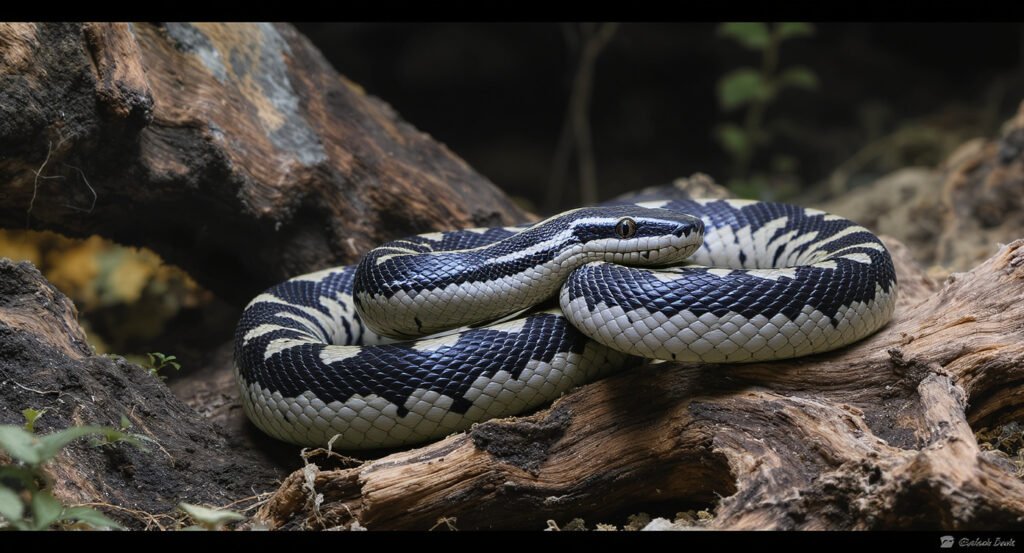
King snakes are among the most popular pet snakes for both beginners and experienced keepers. These docile, hardy reptiles are native to North America and come in stunning color variations including California, Florida, and Mexican black king snakes. With proper care, king snakes can live 15-20 years in captivity, making them a long-term companion for reptile enthusiasts.
King Snake Housing Requirements
Setting up the right enclosure is crucial for your king snake’s health and wellbeing. A properly designed habitat mimics their natural environment and provides security.
Enclosure Size and Type
Adult king snakes require a minimum enclosure size of 40 gallons (36″ x 18″ x 18″), though larger is always better. Hatchlings can start in smaller 20-gallon tanks to help them feel secure. Glass aquariums with secure screen tops work well, as do PVC reptile enclosures that retain heat and humidity more effectively.
King snakes are notorious escape artists, so ensure your enclosure has a locking lid or secure latches. They can push through surprisingly small gaps, so inspect your setup carefully.
Worried About Your Reptile's Health?
Upload a photo and get instant AI health analysis. Catch problems before they become expensive vet bills.
Get Free Health Check →Temperature and Lighting
King snakes are ectothermic and rely on external heat sources to regulate their body temperature. Create a thermal gradient with a basking spot of 85-90°F on one end and a cool side of 75-80°F on the other. Nighttime temperatures can drop to 70-75°F.
Use an under-tank heating pad or ceramic heat emitter controlled by a thermostat to maintain consistent temperatures. Never rely on heat rocks, which can cause severe burns. Digital thermometers at both ends of the enclosure help you monitor conditions accurately.
King snakes don’t require UVB lighting, but a regular day-night cycle supports natural behavior. Provide 10-12 hours of light daily using ambient room lighting or a low-wattage bulb.
Substrate Options
Choose a substrate that maintains humidity and is safe if accidentally ingested. Excellent options include:
Never Miss Early Warning Signs
AI photo analysis catches subtle health issues humans miss 80% of the time. Early detection = healthier reptile + lower vet bills.
Start Free Trial →- Aspen shavings (most popular for king snakes)
- Cypress mulch
- Paper towels or newspaper (easy to clean, ideal for quarantine)
- Coconut husk
Avoid cedar and pine shavings, which contain toxic oils that can harm your snake’s respiratory system.
King Snake Diet and Feeding Schedule
King snakes are carnivorous constrictors that eat appropriately-sized prey in captivity. Their name comes from their habit of eating other snakes in the wild, including venomous species, though this isn’t necessary in captivity.
What to Feed Your King Snake
Feed your king snake frozen-thawed mice or rats sized to match the widest part of their body. Hatchlings start with pinky mice, while adults typically eat adult mice or small rats. Frozen-thawed prey is safer than live prey, which can injure your snake if it fights back.
Thaw frozen prey completely in warm water (never microwave) before offering it with tongs. This prevents burns and ensures the prey item is at an appropriate temperature to trigger feeding response.
Join thousands of successful reptile owners
Try ReptileCoach Free →Feeding Frequency
Feeding schedules vary by age:
- Hatchlings: Every 5-7 days
- Juveniles: Every 7-10 days
- Adults: Every 10-14 days
Monitor your snake’s body condition and adjust feeding frequency accordingly. A healthy king snake should have a rounded body shape without visible ribs or spine, but shouldn’t appear obese.
Humidity and Water Requirements
King snakes thrive in moderate humidity levels of 40-60%. While they don’t need the high humidity of tropical species, adequate moisture is essential for proper shedding.
Provide a large, heavy water bowl that your snake can’t tip over. King snakes often soak before shedding, so ensure the bowl is large enough for your snake to coil in comfortably. Change the water daily and clean the bowl regularly to prevent bacterial growth.
"This app saved my bearded dragon's life. The AI caught early MBD in photos I thought looked completely normal. Worth every penny!"
— Sarah K., ReptileCoach User
Get Your Free 7-Day Trial →During shedding periods, you can increase humidity slightly by misting the enclosure or adding a humid hide—a enclosed space filled with damp sphagnum moss.
Handling and Temperament
King snakes are generally docile and tolerate regular handling well, making them excellent for beginners. However, individual temperament varies, and some may be more defensive, especially when young.
Wait 48 hours after feeding before handling to prevent regurgitation. Start with short 10-15 minute sessions and gradually increase as your snake becomes comfortable. Always support your snake’s body and avoid sudden movements.
Hatchlings may be more defensive and may musk (release a foul odor) or strike when nervous. Consistent, gentle handling helps them become more docile over time. Never handle your snake when it’s in shed, as their vision is impaired and they feel vulnerable.
Worried About Your Reptile's Health?
Upload a photo and get instant AI health analysis. Catch problems before they become expensive vet bills.
Get Free Health Check →Health Monitoring and Common Issues
Regular health checks help you catch problems early. Signs of a healthy king snake include clear eyes, smooth skin, regular feeding, and active behavior.
Shedding Problems
King snakes shed their skin every 4-6 weeks when young and less frequently as adults. Incomplete sheds (retained eye caps or tail tips) indicate low humidity. Providing a humid hide and ensuring proper hydration prevents most shedding issues.
Respiratory Infections
Symptoms include wheezing, mucus around the nostrils, and open-mouth breathing. Respiratory infections typically result from temperatures that are too low or poor enclosure hygiene. If you notice these symptoms, consult a reptile veterinarian promptly.
Parasites
Wild-caught king snakes may carry internal or external parasites. Captive-bred snakes rarely have parasite issues, but annual fecal exams by a reptile vet are good practice.
Never Miss Early Warning Signs
AI photo analysis catches subtle health issues humans miss 80% of the time. Early detection = healthier reptile + lower vet bills.
Start Free Trial →Track Your King Snake Care with ReptileCoach
Managing feeding schedules, shedding cycles, and health records can be challenging, especially if you care for multiple reptiles. ReptileCoach’s care tracking app helps you monitor your king snake’s feeding schedule, weight, shedding patterns, and veterinary appointments all in one place, ensuring your snake receives consistent, optimal care.
Choosing Your King Snake
When selecting a king snake, always choose captive-bred specimens from reputable breeders. Captive-bred snakes are healthier, parasite-free, and better adjusted to captivity than wild-caught individuals.
Popular king snake morphs include California king snakes (banded or striped patterns), Florida king snakes, and the striking Mexican black king snake. Each subspecies has similar care requirements, so choose based on appearance and availability.
Inspect potential purchases carefully. A healthy king snake should be alert, have a rounded body, clear eyes (unless in shed), and no visible mites or mouth rot. Ask about feeding history and ensure the snake is eating frozen-thawed prey regularly.
Join thousands of successful reptile owners
Try ReptileCoach Free →Final Thoughts on King Snake Care
King snakes make exceptional pets for reptile keepers of all experience levels. Their manageable size, docile temperament, and straightforward care requirements make them an ideal first snake. By providing appropriate housing, consistent temperatures, regular feeding, and attentive care, your king snake will thrive for decades.
Remember that every snake is an individual with unique personality traits and preferences. Observe your king snake’s behavior, adjust care as needed, and enjoy the rewarding experience of keeping these beautiful North American serpents.
Ready to Give Your Reptile the Best Care?
Stop guessing and start knowing. Get personalized AI-powered care guidance, photo health analysis, and 24/7 expert advice for YOUR specific reptile.
Get Personalized Care Guidance
AI-powered photo analysis and daily care tracking for YOUR reptile
Try Free for 7 Days →