
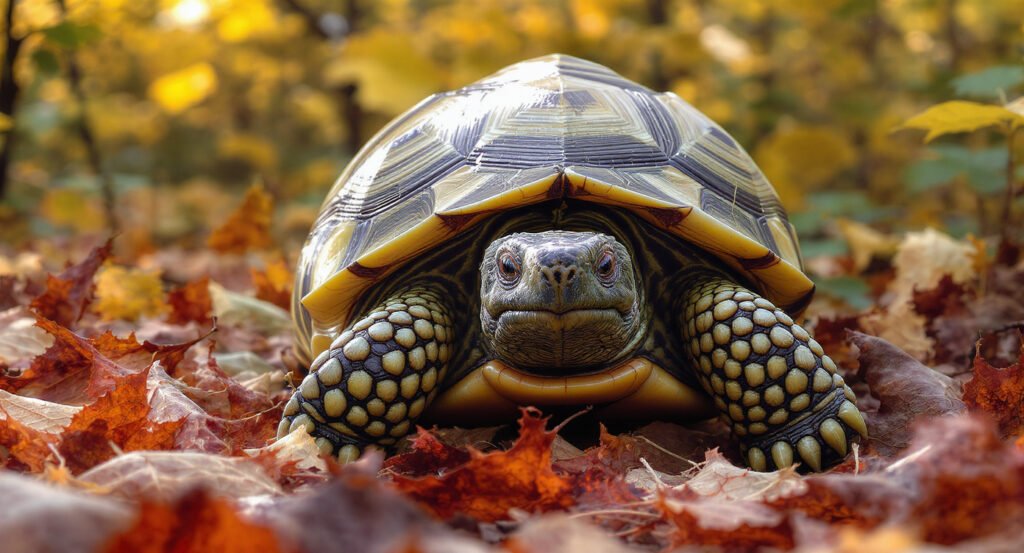
Understanding Tortoise Hibernation (Brumation)
If you’re a new tortoise owner, the concept of hibernation—or more accurately, brumation—can feel intimidating. Unlike mammals, tortoises don’t truly hibernate. Instead, they enter a state of dormancy called brumation, where their metabolic processes slow dramatically during colder months. Understanding how to safely manage this natural cycle is crucial for your tortoise’s long-term health and wellbeing.
Not all tortoise species require brumation, but for those that do—like Russian tortoises, Hermann’s tortoises, and Greek tortoises—proper preparation can mean the difference between a healthy spring awakening and serious health complications.
Which Tortoises Need to Brumate?
Before preparing for brumation, determine whether your tortoise species actually requires this dormancy period. Mediterranean and temperate species typically brumate naturally, while tropical species like red-footed tortoises and leopard tortoises should remain active year-round.
- Species that brumate: Russian tortoises, Hermann’s tortoises, Greek tortoises, marginated tortoises, and desert tortoises
- Species that don’t brumate: Sulcata tortoises, red-footed tortoises, leopard tortoises, and most tropical species
Additionally, very young tortoises (under 2-3 years) and sick or underweight tortoises should not brumate. Their bodies need consistent nutrition for growth and recovery.
Worried About Your Reptile's Health?
Upload a photo and get instant AI health analysis. Catch problems before they become expensive vet bills.
Get Free Health Check →Pre-Brumation Preparation: The Critical Steps
Proper preparation begins 4-6 weeks before brumation. This period ensures your tortoise enters dormancy in optimal health.
1. Health Assessment
Schedule a veterinary checkup before brumation season. Your vet should check for respiratory infections, parasites, and overall body condition. A tortoise with underlying health issues may not survive brumation safely.
2. The Wind-Down Period
Gradually reduce temperature and photoperiod over 2-3 weeks. This mimics natural seasonal changes and signals your tortoise’s body to prepare for dormancy. Decrease basking temperatures by 5°F every few days until reaching brumation temperatures.
3. Fasting Period
Stop feeding your tortoise 2-3 weeks before brumation begins. This allows complete digestion and gut clearance. Undigested food in the digestive tract can rot during brumation, causing fatal infections. Continue providing fresh water during this fasting period—hydration remains essential.
Never Miss Early Warning Signs
AI photo analysis catches subtle health issues humans miss 80% of the time. Early detection = healthier reptile + lower vet bills.
Start Free Trial →4. The Soaking Routine
Give your tortoise warm water soaks (85-90°F) every other day during the fasting period. This encourages elimination and ensures proper hydration before dormancy. A well-hydrated tortoise has better brumation outcomes.
Creating the Perfect Brumation Environment
Your tortoise needs a safe, stable environment for brumation that maintains consistent conditions throughout the dormancy period.
Temperature Requirements
Maintain brumation temperatures between 40-50°F (4-10°C). This range is cold enough to induce dormancy but warm enough to prevent freezing or excessive metabolic strain. Use a reliable thermometer and check temperatures daily.
Brumation Setup Options
Refrigerator Method: Many experienced keepers use a dedicated refrigerator set to 40-45°F. Place your tortoise in a ventilated box with damp substrate. This method offers precise temperature control but requires daily monitoring.
Join thousands of successful reptile owners
Try ReptileCoach Free →Garage or Basement Method: If you have a consistently cool space that maintains 40-50°F, this can work well. Ensure the area is protected from predators, flooding, and temperature fluctuations.
Outdoor Hibernation: Only for advanced keepers in appropriate climates. This method carries higher risks but mimics natural conditions most closely.
Substrate and Humidity
Use slightly damp (not wet) substrate like coconut coir or sphagnum moss. Humidity should stay around 70-80% to prevent dehydration. Check substrate moisture weekly and lightly mist if needed.
Monitoring During Brumation
Even during dormancy, your tortoise needs regular monitoring. Check on your pet every 1-2 weeks to ensure safe conditions.
"This app saved my bearded dragon's life. The AI caught early MBD in photos I thought looked completely normal. Worth every penny!"
— Sarah K., ReptileCoach User
Get Your Free 7-Day Trial →- Verify temperature stability with an accurate thermometer
- Check for signs of movement or waking
- Monitor weight loss (5-10% is normal; more requires intervention)
- Ensure substrate remains slightly damp
- Look for signs of illness like mucus discharge or unusual odors
If your tortoise wakes during brumation, offer water and gradually warm them. Early waking may indicate improper temperatures or health issues requiring veterinary attention.
Common Brumation Mistakes to Avoid
New tortoise owners often make preventable errors during brumation. Avoid these common pitfalls:
- Skipping the vet check: Never brumate a sick tortoise
- Inadequate fasting: Undigested food causes deadly infections
- Temperature fluctuations: Inconsistent temps stress the tortoise and waste energy reserves
- Brumating too young: Wait until your tortoise is mature and healthy
- Insufficient hydration: Dehydration is a leading cause of brumation mortality
- Too-long brumation: First-time brumation should last 6-8 weeks maximum
Waking Your Tortoise: The Spring Transition
Bringing your tortoise out of brumation requires the same gradual approach as the preparation phase.
Gradually increase temperatures over 3-5 days until reaching normal basking temperatures (85-95°F depending on species). Offer a warm bath immediately upon waking to rehydrate and encourage elimination.
Worried About Your Reptile's Health?
Upload a photo and get instant AI health analysis. Catch problems before they become expensive vet bills.
Get Free Health Check →Don’t be alarmed if your tortoise doesn’t eat immediately. Appetite typically returns within a few days to a week. Start with easily digestible foods like dandelion greens and gradually return to their normal diet.
Track your pet’s care schedule with our free app at ReptileCoach.com to monitor feeding, weight, and health markers throughout the brumation cycle and beyond.
When to Skip Brumation
Brumation isn’t mandatory for captive tortoises, even if their species brumates in the wild. If you’re uncomfortable with the process or your tortoise is young, underweight, or recovering from illness, maintaining year-round warmth is perfectly acceptable.
Many keepers successfully maintain their Mediterranean tortoises at consistent temperatures throughout the year. However, some species may have reduced fertility or longevity without brumation cycles, though research on this remains limited.
Never Miss Early Warning Signs
AI photo analysis catches subtle health issues humans miss 80% of the time. Early detection = healthier reptile + lower vet bills.
Start Free Trial →Final Thoughts on Safe Tortoise Brumation
Brumation is a natural and beneficial process for many tortoise species, but it requires careful preparation, monitoring, and commitment. Your first brumation cycle will feel nerve-wracking, but with proper planning and attention to detail, you’ll help your tortoise safely navigate this dormancy period.
Remember: when in doubt, consult with a reptile veterinarian experienced in tortoise care. Every tortoise is an individual, and expert guidance ensures you’re making the best decisions for your specific pet’s needs.
Ready to Give Your Reptile the Best Care?
Stop guessing and start knowing. Get personalized AI-powered care guidance, photo health analysis, and 24/7 expert advice for YOUR specific reptile.
Get Personalized Care Guidance
AI-powered photo analysis and daily care tracking for YOUR reptile
Try Free for 7 Days →