
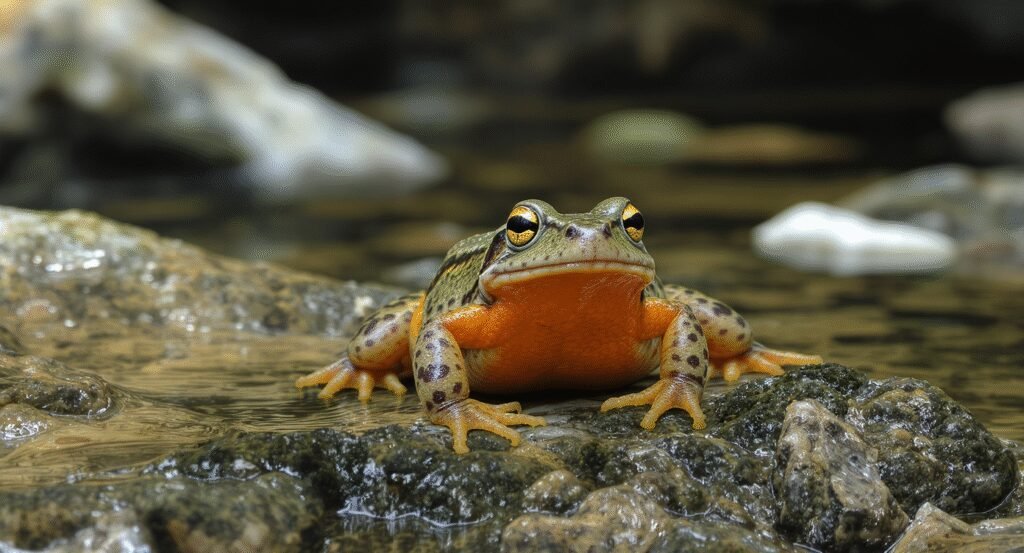
Fire belly toads are among the most popular amphibian pets for beginners, thanks to their vibrant colors, active personalities, and relatively straightforward care requirements. Whether you’re considering your first fire belly toad or looking to improve your current setup, this comprehensive guide covers everything you need to know about keeping these fascinating creatures healthy and thriving.
What Are Fire Belly Toads?
Fire belly toads (Bombina orientalis) are small, semi-aquatic amphibians native to northeastern China, Korea, and parts of Russia. Despite their common name, they’re actually frogs, not true toads. These charming amphibians get their name from their bright red or orange bellies, which serve as a warning to predators about the mild toxins in their skin.
Adult fire belly toads typically reach 1.5 to 2 inches in length and can live 10-15 years with proper care, making them a long-term commitment for any pet owner.
Setting Up the Perfect Fire Belly Toad Habitat
Tank Size and Type
A 10-gallon aquarium is the minimum size for 2-3 fire belly toads, though a 20-gallon long tank is ideal for a small group. These social amphibians do well in groups, so consider keeping at least two together. The tank should be oriented horizontally rather than vertically, as fire belly toads need floor space more than height.
Worried About Your Reptile's Health?
Upload a photo and get instant AI health analysis. Catch problems before they become expensive vet bills.
Get Free Health Check →Creating a Semi-Aquatic Environment
Fire belly toads require both land and water areas in their enclosure. The setup should include:
- Water section: At least 3-4 inches deep, taking up about 50-70% of the tank floor
- Land section: A sloped area or platform where toads can fully emerge from water
- Easy transitions: Smooth rocks or driftwood to help toads move between sections
Use dechlorinated water or aged tap water. A simple sponge filter keeps the water clean without creating strong currents that stress the toads.
Substrate Options
For the land portion, use smooth river rocks, large pebbles, or slate tiles. Avoid small gravel that toads might accidentally ingest during feeding. Live or artificial plants add hiding spots and help your toads feel secure.
Temperature and Lighting Requirements
Fire belly toads thrive in moderate temperatures between 65-75°F (18-24°C). Room temperature typically works well, though you may need a low-wattage heat lamp if your home gets too cold. Avoid temperatures above 78°F, as fire belly toads are sensitive to heat.
Never Miss Early Warning Signs
AI photo analysis catches subtle health issues humans miss 80% of the time. Early detection = healthier reptile + lower vet bills.
Start Free Trial →These toads don’t require UVB lighting since they’re primarily nocturnal and get vitamin D from their diet. However, a standard LED light on a 12-hour cycle helps maintain a natural day-night rhythm and benefits any live plants.
Feeding Your Fire Belly Toad
Diet Basics
Fire belly toads are insectivores with hearty appetites. Offer a varied diet including:
- Crickets (primary staple)
- Small mealworms
- Waxworms (occasional treat)
- Bloodworms
- Small earthworms
Feed adult toads 3-4 times per week, offering as many insects as they’ll eat in 15 minutes. Juveniles should be fed daily.
Supplementation
Dust feeder insects with calcium powder at every feeding and use a multivitamin supplement once or twice weekly. This prevents metabolic bone disease and other nutritional deficiencies.
Join thousands of successful reptile owners
Try ReptileCoach Free →Water Quality and Maintenance
Clean water is critical for fire belly toad health. Perform partial water changes (25-50%) at least twice weekly, and do a complete tank cleaning monthly. Test water parameters regularly to ensure ammonia and nitrite levels stay at zero.
Always use dechlorinator when adding new water, as chlorine and chloramines are toxic to amphibians.
Handling and Behavior
Fire belly toads are best observed rather than handled. Their skin secretions can irritate human skin and eyes, so minimize direct contact. When you must handle them, wet your hands first and keep handling sessions brief.
These toads are most active during dawn and dusk. You’ll often see them floating at the water surface or sitting on land areas, making them entertaining display animals.
"This app saved my bearded dragon's life. The AI caught early MBD in photos I thought looked completely normal. Worth every penny!"
— Sarah K., ReptileCoach User
Get Your Free 7-Day Trial →Common Health Issues
Watch for these signs of health problems:
- Lethargy or loss of appetite
- Bloating or abnormal swelling
- Cloudy eyes or skin discoloration
- Difficulty swimming or staying submerged
Most health issues stem from poor water quality, incorrect temperatures, or nutritional deficiencies. Maintaining proper husbandry prevents most problems.
Track Your Fire Belly Toad Care with ReptileCoach
Managing feeding schedules, water changes, and health observations can be challenging, especially if you care for multiple pets. The ReptileCoach app helps you stay organized with customizable care schedules, feeding logs, and health tracking features designed specifically for reptile and amphibian keepers.
Whether you’re a beginner or experienced keeper, having all your care information in one place makes maintaining optimal conditions for your fire belly toads simple and stress-free. Try ReptileCoach today and take your amphibian care to the next level.
Worried About Your Reptile's Health?
Upload a photo and get instant AI health analysis. Catch problems before they become expensive vet bills.
Get Free Health Check →Final Thoughts
Fire belly toads make excellent pets for beginners willing to maintain their semi-aquatic habitat. With proper setup, consistent care, and attention to water quality, these colorful amphibians will thrive for over a decade. Their active nature and striking appearance make them a joy to observe, and their relatively simple care requirements make them accessible to new amphibian enthusiasts.
Remember that success with fire belly toads comes down to maintaining stable conditions, providing proper nutrition, and keeping their environment clean. Follow these guidelines, and you’ll enjoy watching your fire belly toads’ fascinating behaviors for many years to come.
Ready to Give Your Reptile the Best Care?
Stop guessing and start knowing. Get personalized AI-powered care guidance, photo health analysis, and 24/7 expert advice for YOUR specific reptile.
Get Personalized Care Guidance
AI-powered photo analysis and daily care tracking for YOUR reptile
Try Free for 7 Days →