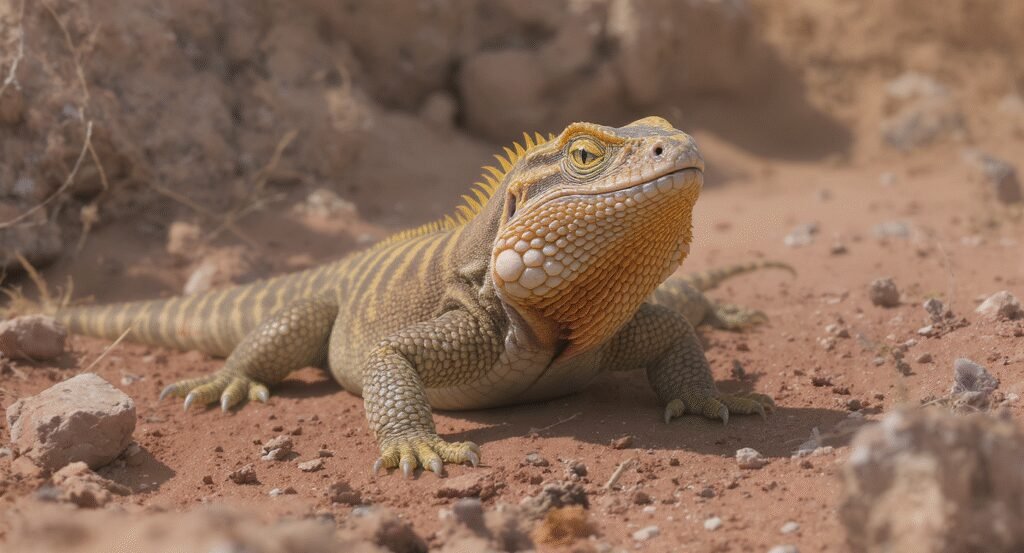
Uromastyx lizards, also known as spiny-tailed lizards or dabb lizards, are fascinating herbivorous reptiles that require a specialized diet to thrive in captivity. Understanding proper uromastyx nutrition is essential for maintaining your pet’s health, vibrant coloration, and longevity. This comprehensive guide covers everything you need to know about feeding your uromastyx, from daily greens to occasional treats.
Understanding Uromastyx Nutritional Needs
Uromastyx are primarily herbivorous desert dwellers that have evolved to consume a diet high in fiber and low in protein. In their natural habitat across North Africa and the Middle East, these lizards graze on desert vegetation, seeds, and flowers. Replicating this diet in captivity is crucial for preventing common health issues like metabolic bone disease, obesity, and digestive problems.
The ideal uromastyx diet consists of approximately 90-95% vegetables and greens, with the remaining 5-10% coming from seeds, lentils, and occasional insects for younger specimens. Unlike many other lizard species, adult uromastyx should not receive regular insect feedings, as excessive protein can lead to kidney problems and gout.
Best Vegetables and Greens for Uromastyx
The foundation of your uromastyx diet should be dark, leafy greens that are high in calcium and low in oxalates and goitrogens. Here are the best options to rotate through your feeding schedule:
Worried About Your Reptile's Health?
Upload a photo and get instant AI health analysis. Catch problems before they become expensive vet bills.
Get Free Health Check →Staple Greens (Feed Daily)
- Collard greens – Excellent calcium-to-phosphorus ratio
- Dandelion greens – High in vitamins and minerals, also safe to include flowers
- Turnip greens – Nutrient-dense and readily accepted
- Mustard greens – Good variety option with strong nutritional profile
- Endive and escarole – Lower in oxalates, good for daily feeding
- Arugula – Can be fed regularly in rotation
Supplementary Vegetables (2-3 Times Weekly)
- Bell peppers (red, yellow, orange) – High in vitamin C
- Squash varieties (butternut, acorn, yellow) – Good fiber source
- Carrots (shredded) – Vitamin A boost, feed in moderation
- Green beans – Occasional variety
- Lentils (cooked and cooled) – Protein and fiber source
Foods to Avoid
Certain foods are toxic or nutritionally inappropriate for uromastyx and should never be offered:
- Avocado – Toxic to reptiles
- Rhubarb – Contains oxalic acid
- Iceberg lettuce – No nutritional value
- Spinach and chard – High oxalates bind calcium
- Broccoli and cabbage – Goitrogens interfere with thyroid function
- Citrus fruits – Too acidic for uromastyx digestive systems
- Fireflies and lightning bugs – Extremely toxic
Seeds and Supplementary Foods
Seeds provide important enrichment and nutritional variety for uromastyx. Offer small amounts 2-3 times per week:
- Bird seed mixes (millet, canary seed)
- Lentils (dried or sprouted)
- Split peas
- Bee pollen (excellent vitamin supplement)
For juvenile uromastyx under 12 months, you can offer small insects like dubia roaches or crickets once or twice weekly to support growth. Adult uromastyx rarely need insect protein and should only receive it occasionally if at all.
Feeding Schedule and Portion Sizes
Uromastyx should be fed daily, preferably in the morning after they’ve had time to bask and raise their body temperature. Offer a salad bowl that’s roughly the size of your lizard’s body length. Remove uneaten food after 12 hours to prevent spoilage.
Never Miss Early Warning Signs
AI photo analysis catches subtle health issues humans miss 80% of the time. Early detection = healthier reptile + lower vet bills.
Start Free Trial →Chop all vegetables into appropriately sized pieces – nothing larger than the space between your uromastyx’s eyes. This prevents choking and encourages proper eating behavior.
Calcium and Vitamin Supplementation
Despite a calcium-rich diet, most uromastyx benefit from supplementation to prevent metabolic bone disease. Dust vegetables with calcium powder (without vitamin D3) 3-4 times weekly. Use a multivitamin supplement once weekly.
Proper UVB lighting is equally important, as it enables your uromastyx to synthesize vitamin D3 and metabolize calcium effectively. Provide a high-quality UVB bulb (10-12% for desert species) and replace it every 6-12 months.
Hydration for Uromastyx
Uromastyx obtain most of their moisture from fresh vegetables and are adapted to arid conditions. Many individuals rarely drink standing water. Mist vegetables lightly before feeding to provide additional hydration. You can offer a shallow water dish, but many uromastyx will ignore it.
Join thousands of successful reptile owners
Try ReptileCoach Free →Watch for signs of dehydration including sunken eyes, wrinkled skin, and lethargy. If concerned, consult a reptile veterinarian.
Track Your Uromastyx Care Routine
Maintaining a consistent feeding schedule and tracking your uromastyx’s diet, health metrics, and behavioral patterns is essential for long-term reptile care success. Whether you’re a new uromastyx owner or an experienced keeper, having a system to monitor feeding schedules, supplement rotations, and health observations makes a significant difference.
For reptile enthusiasts looking to streamline their care routines, consider using ReptileCoach’s comprehensive tracking tools to log feeding schedules, monitor growth rates, and maintain detailed care records for your uromastyx and other reptiles.
Common Dietary Mistakes to Avoid
Many new uromastyx owners make preventable feeding errors. Avoid these common mistakes:
"This app saved my bearded dragon's life. The AI caught early MBD in photos I thought looked completely normal. Worth every penny!"
— Sarah K., ReptileCoach User
Get Your Free 7-Day Trial →- Overfeeding protein – Adult uromastyx don’t need insects regularly
- Insufficient variety – Rotate different greens to prevent nutritional deficiencies
- Improper supplementation – Too much or too little calcium causes health issues
- Feeding only one type of green – Variety ensures balanced nutrition
- Offering fruit regularly – Too much sugar disrupts digestion
Conclusion
Providing a proper uromastyx diet requires attention to detail, but the effort pays off in a healthy, active, and long-lived pet. Focus on variety, appropriate supplementation, and avoiding problematic foods. By following these guidelines and maintaining consistent care practices, your uromastyx will thrive for 15-20 years or more.
Remember that individual uromastyx may have preferences, and what works for one may need adjustment for another. Observe your lizard’s eating habits, maintain proper husbandry conditions, and consult with a reptile veterinarian if you notice changes in appetite or behavior. With the right diet and care, your spiny-tailed lizard will display vibrant colors, strong bone structure, and engaging personality throughout its life.
Ready to Give Your Reptile the Best Care?
Stop guessing and start knowing. Get personalized AI-powered care guidance, photo health analysis, and 24/7 expert advice for YOUR specific reptile.
Get Personalized Care Guidance
AI-powered photo analysis and daily care tracking for YOUR reptile
Try Free for 7 Days →