
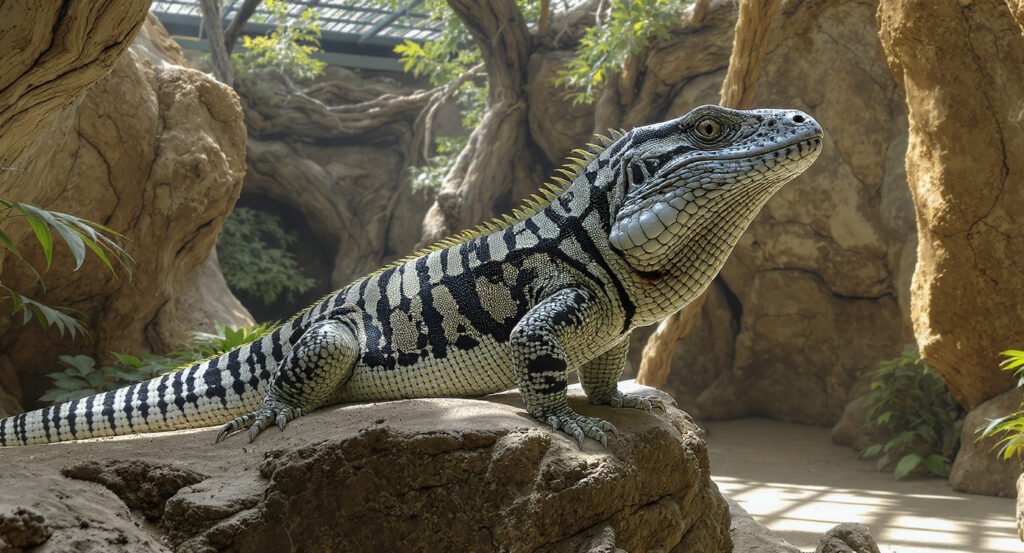
Tegus are among the most intelligent and personable reptiles you can keep as pets, with Argentine Black and White Tegus being particularly popular among experienced reptile enthusiasts. These large, sturdy lizards can grow up to 4-5 feet in length and develop dog-like personalities, often recognizing their owners and even enjoying interaction. However, their size, dietary needs, and environmental requirements mean they’re best suited for keepers who can commit to providing proper long-term care. This comprehensive guide will walk you through everything you need to know about tegu husbandry, from setting up the perfect enclosure to understanding their unique dietary and behavioral needs.
Housing Your Tegu: Space and Environmental Requirements
Tegus require substantial space to thrive. An adult Argentine Black and White Tegu needs an enclosure that’s at minimum 8 feet long by 4 feet wide by 4 feet tall, though larger is always better. Many dedicated tegu owners convert entire rooms or build custom enclosures to accommodate their pets properly. Juvenile tegus can start in smaller enclosures (such as a 40-gallon tank), but they grow quickly and will need upgrades within their first year.
The substrate choice is crucial for tegus since they love to dig and burrow. A deep substrate layer of 12-18 inches allows for natural burrowing behavior, which is essential for thermoregulation and mental stimulation. Excellent substrate options include a mixture of topsoil and play sand, cypress mulch, or coconut coir. Avoid substrates like pine or cedar shavings, which can cause respiratory issues.
Temperature and Lighting
Tegus are ectothermic and require proper temperature gradients to regulate their body temperature. Your enclosure should provide:
Worried About Your Reptile's Health?
Upload a photo and get instant AI health analysis. Catch problems before they become expensive vet bills.
Get Free Health Check →- Basking spot: 100-110°F (38-43°C)
- Warm side ambient: 85-90°F (29-32°C)
- Cool side ambient: 75-80°F (24-27°C)
- Nighttime temperatures: 70-75°F (21-24°C)
Use a combination of ceramic heat emitters, heat panels, or high-wattage basking bulbs to achieve these temperatures. Always monitor with digital thermometers placed at different zones within the enclosure.
UVB lighting is essential for calcium metabolism and overall health. Provide a high-output UVB bulb (10-12% UVB) that spans at least half the enclosure length. Replace UVB bulbs every 6-12 months as their effectiveness diminishes over time, even if they still produce visible light.
Feeding Your Tegu: A Balanced Omnivorous Diet
Tegus are opportunistic omnivores with hearty appetites. Their diet should consist of approximately 60% protein sources and 40% fruits and vegetables for adults, while juveniles require a higher protein ratio (about 80% protein) to support their rapid growth.
Protein Sources
Offer a variety of whole prey items and lean meats:
Never Miss Early Warning Signs
AI photo analysis catches subtle health issues humans miss 80% of the time. Early detection = healthier reptile + lower vet bills.
Start Free Trial →- Whole prey: mice, rats, chicks, and quail (appropriately sized)
- Insects: dubia roaches, superworms, hornworms, and occasionally mealworms
- Cooked eggs (with shell for calcium)
- Lean ground turkey or chicken (occasionally)
- Fish: salmon or tilapia (without bones, as an occasional treat)
Fruits and Vegetables
The plant portion of their diet should include calcium-rich vegetables and occasional fruits:
- Greens: collard greens, mustard greens, turnip greens, dandelion greens
- Vegetables: butternut squash, bell peppers, green beans, okra
- Fruits: berries, mango, papaya, figs (limited due to sugar content)
Avoid foods high in oxalates (like spinach) and goitrogens (like cabbage) as staples. Always dust feeder insects with calcium powder (with D3 if not using UVB) and provide a multivitamin supplement once weekly.
Adult tegus should be fed 3-4 times per week, while juveniles may eat daily. Adjust portion sizes based on body condition—tegus can become obese in captivity if overfed.
Ready for personalized reptile care advice? Try the ReptileCoach AI App — your 24/7 reptile care expert!
Join thousands of successful reptile owners
Try ReptileCoach Free →Understanding Tegu Behavior and Brumation
One of the most distinctive aspects of tegu care is their annual brumation cycle. Brumation is a hibernation-like state that Argentine tegus undergo naturally, typically during winter months (November through March in the Northern Hemisphere). During this period, tegus will eat less, become lethargic, and eventually stop eating altogether while spending most of their time buried in substrate.
Brumation is a natural biological process that’s generally healthy for tegus. To prepare for brumation, gradually reduce feeding and temperatures over 2-3 weeks. During brumation, maintain cooler temperatures (60-70°F) and check on your tegu weekly to ensure they’re healthy. Provide fresh water access throughout. After 2-4 months, gradually increase temperatures and lighting to bring your tegu out of brumation.
Handling and Temperament
Tegus are known for their intelligence and can become quite tame with regular, gentle handling. Start handling sessions when your tegu is young and keep them brief (5-10 minutes) initially, gradually increasing duration as trust builds. Always support their entire body, especially the hindquarters.
Signs of a comfortable tegu include relaxed body posture, calm breathing, and curiosity about their surroundings. Stressed tegus may whip their tails, hiss, or attempt to bite. Never force interaction, and always wash hands before and after handling to prevent disease transmission.
"This app saved my bearded dragon's life. The AI caught early MBD in photos I thought looked completely normal. Worth every penny!"
— Sarah K., ReptileCoach User
Get Your Free 7-Day Trial →Health Considerations and Veterinary Care
Tegus are generally hardy when provided proper care, but they’re susceptible to certain health issues:
- Metabolic Bone Disease (MBD): Caused by calcium deficiency or inadequate UVB exposure. Symptoms include soft jaw, swollen limbs, and lethargy.
- Respiratory infections: Often result from improper temperatures or humidity. Watch for wheezing, mucus discharge, or open-mouth breathing.
- Parasites: Both internal and external parasites can affect tegus. Annual fecal exams by a reptile veterinarian are recommended.
- Obesity: Overfeeding is common in captive tegus. Monitor body condition and adjust feeding accordingly.
Establish care with an experienced reptile veterinarian before emergencies arise. Annual wellness checkups help catch potential problems early and ensure your tegu remains healthy throughout its 15-20 year lifespan.
Conclusion: Committing to Tegu Ownership
Caring for a tegu is a significant but rewarding commitment. These intelligent reptiles require substantial space, specialized diet, proper environmental conditions, and regular interaction to thrive. When provided with appropriate care, tegus become engaging companions that recognize their owners and display unique personalities. Before bringing a tegu home, ensure you have the space, resources, and long-term commitment necessary to provide excellent care for potentially two decades. With proper husbandry and dedication, your relationship with your tegu will be one of the most fulfilling experiences in reptile keeping.
Ready to Give Your Reptile the Best Care?
Stop guessing and start knowing. Get personalized AI-powered care guidance, photo health analysis, and 24/7 expert advice for YOUR specific reptile.
Get Personalized Care Guidance
AI-powered photo analysis and daily care tracking for YOUR reptile
Try Free for 7 Days →